Test report DSG-4314 · Rev C · tested November 16, 2026
Supply Chain & PolicyDevice under test
BIS Requires Licenses for AI Chip Exports to Five Countries
BIS now requires U.S. licenses for AI chip exports to Indonesia, Malaysia, Singapore, Thailand and Brazil, and for chips bound for data centers serving Chinese firms.
- Read
- 3 min
- Words
- 575
- Node
- 14nm
- Operator
- Elena Vasquez
Spec summary
- BIS announced an interim final rule on the 16th requiring licenses for AI chip exports, reexports and transfers to Indonesia, Malaysia, Singapore, Thailand and Brazil.
- Chips bound for data centers selling over 12 million total processing performance to China-, Macau- or adversary-nation-headquartered firms need a license.
- The rule was drafted at the direction of the Treasury Department and the White House National Security Council.
- U.S.-headquartered or U.S.-parented firms are exempt if they report transaction parties, final chip destination and chip product details.
- The measure follows criticism of the department's slow reaction to the scandal involving former Nvidia Chief Executive Jensen Huang.
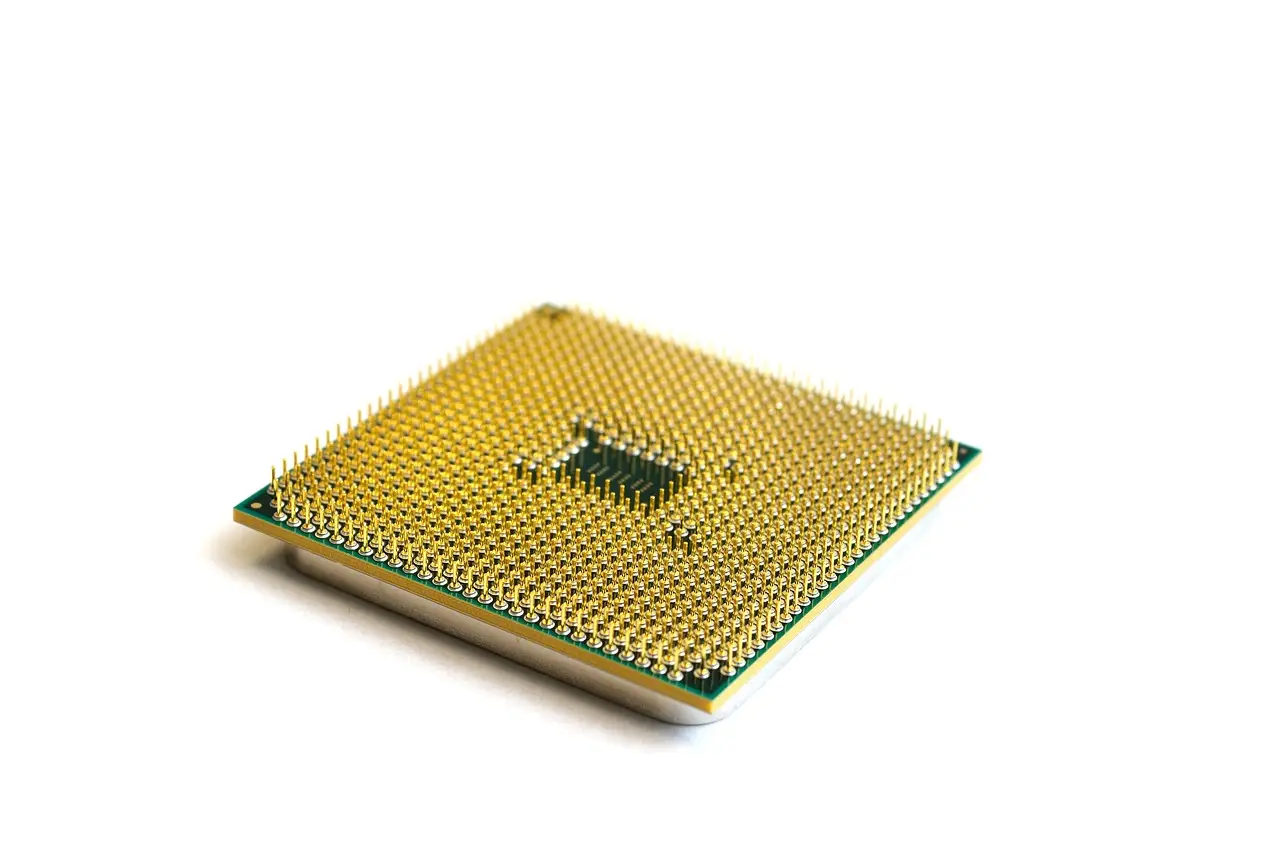
Five countries — Indonesia, Malaysia, Singapore, Thailand and Brazil — now require U.S. licenses before advanced AI chips can be exported, reexported or transferred within their borders, the Commerce Department's Bureau of Industry and Security said on the 16th.
The same announcement closes a second route. No item may be exported, reexported or transferred without a license if it is destined for a data center that sells computing capacity exceeding 12 million total processing performance to companies headquartered in China, other U.S. adversary nations, or Macau.
BIS said it was "announcing a rule governing remote access to U.S. ultra-high-performance AI technology," describing the measure as an interim final rule drafted at the direction of the Treasury Department and the White House National Security Council.
Which destinations are now license-gated?
- Indonesia
- Malaysia
- Singapore
- Thailand
- Brazil
Licenses now cover export, reexport and transfer to those destinations, including shipments that never leave the country they enter. Observers had said AI chips from Nvidia and other suppliers moved into those markets without restriction, with the hardware ultimately smuggled into China. The rule is seen as a belated effort to stop that flow.
What does the 12 million threshold cover?
The trigger is the customer rather than the border. A data center anywhere in the world that sells more than 12 million total processing performance to a China-headquartered company — or to a firm based in Macau or another nation Washington treats as an adversary — needs a license before chips arrive.
That reach runs wider than the five-country list. Control follows the end customer, so a chip routed through a sixth country still trips the rule if the operator sells capacity to a Chinese client.
The "remote access" framing matters too. The measure governs how U.S. ultra-high-performance AI technology gets used abroad, not only how a physical package crosses a customs line — a distinction that pulls hosted AI capacity into scope alongside shipped hardware.
Who gets an exemption?
Companies headquartered in the United States, or with an ultimate parent company in the United States, are exempt from the licensing requirement if they meet reporting conditions. Those conditions are specific, and BIS lists three reporting elements:
- the parties to the transaction
- the final destination of the chips
- details of the chip products
Why now?
The BIS drafted the rule at the direction of the Treasury Department and the White House National Security Council, and officials framed it as an interim final rule. The timing follows criticism of the department's slow reaction to the scandal involving former Nvidia Chief Executive Jensen Huang.
What changes for chipmakers and cloud operators?
For Nvidia and rival suppliers, five Southeast Asian destinations plus Brazil have moved from open shipping lanes to license-gated ones. For a distributor, a transfer that stays inside Malaysia or Thailand now counts as an export event that needs paperwork before it happens.
For data center operators, the test is a customer one: capacity sold above 12 million total processing performance to a China-headquartered, Macau-based or adversary-nation company. U.S.-parented firms stay outside the license queue, but only while they keep compliance files on transaction parties, final chip destination and product specifications.
Expect the baseline to move. Because the BIS issued this as an interim final rule written under direction from Treasury and the National Security Council, both the threshold and the country list remain open to revision.
via en.sedaily.com (Source)
More from Elena Vasquez
Show full bio
Senior reporter covering people, launches and day-to-day practice in hardware layer of artificial intelligence at Die Signal.
675 articles
Same lot · LOT-362C
- DSG-445745nmU.S. Rule Hits Rented AI Compute: Five Countries, 90 Days
- DSG-502720nmCommerce Dept. rule closes remote-access loophole on advanced AI chips
- DSG-35695nmUS Proposes License Regime for Nvidia Chip Exports to Five Countries
- DSG-99573nmU.S. Closes Overseas Data Center Loophole; Fed Flags $1 Trillion AI Exposure
- DSG-150745nmUS Tightens AI Chip Exports After Nvidia Smuggling Scandal