Test report DSG-3018 · Rev C · tested October 16, 2026
Foundries & ManufacturingDevice under test
TSMC Holds the Cards in AI Chip Capacity Fight
NVIDIA, Apple and AMD all compete for TSMC's limited AI chip capacity. The foundry, not the designers, decides who gets wafers, packaging and delivery slots.
- Read
- 3 min
- Words
- 549
- Node
- 20nm
- Operator
- Grace Kim
Spec summary
- NVIDIA, Apple and AMD are competing for limited TSMC AI chip manufacturing capacity, per Benzinga.
- TSMC controls the leading-edge wafer and advanced packaging capacity all three designers depend on.
- None of the three fabless designers can fabricate leading-edge AI silicon without TSMC.
- Allocation decisions at the foundry effectively determine which AI products ship first.
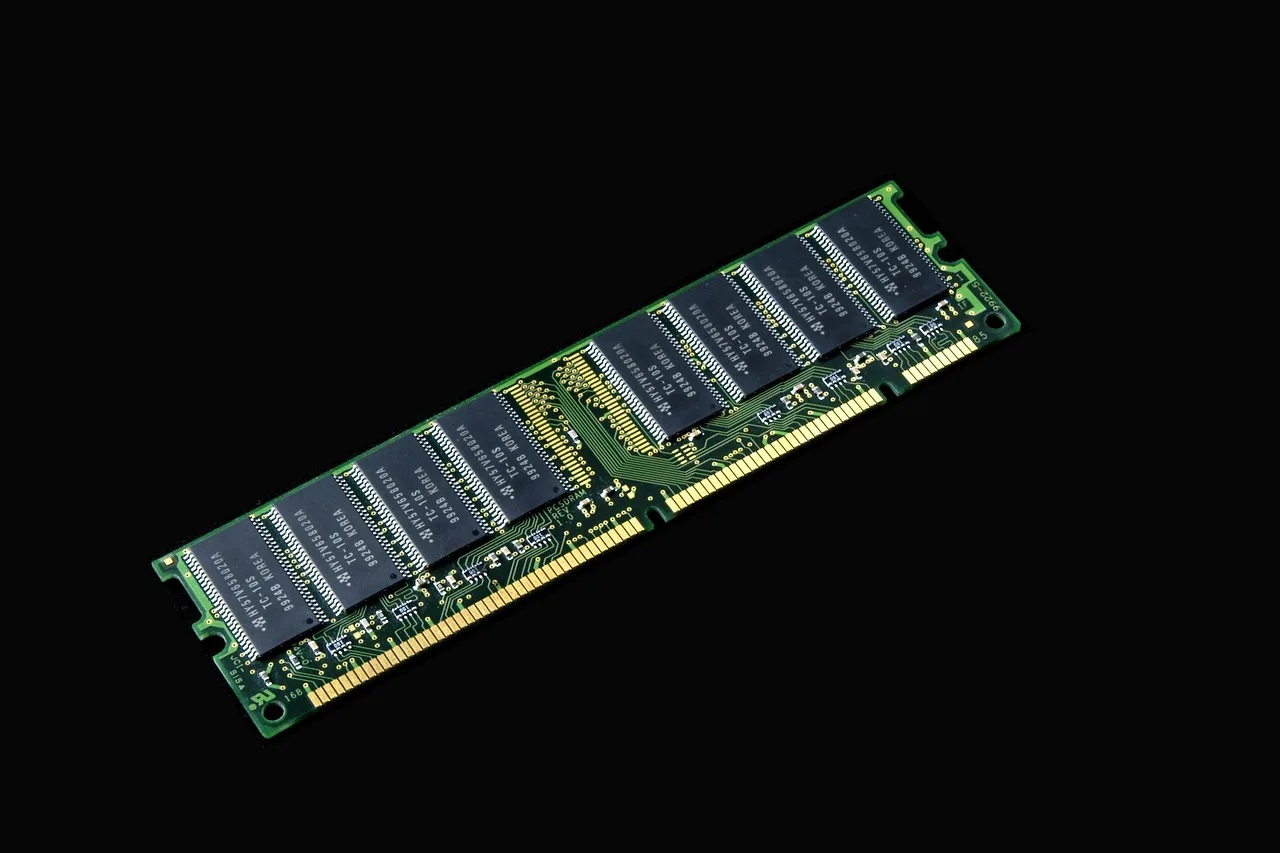
Taiwan Semiconductor Manufacturing Company holds the decisive leverage as NVIDIA, Apple and AMD battle for a limited pool of AI chip manufacturing capacity, Benzinga reports. The foundry is the chokepoint. Everyone else is bidding.
The three fabless designers all depend on TSMC's advanced process nodes to build their highest-value silicon. That dependence turns every allocation decision at the foundry into a competitive event. When capacity is tight, someone wins the wafers and someone waits.
What does this change for the AI hardware market? It shifts power upstream, away from the chip designers with the loudest product roadmaps and toward the manufacturer that actually makes the chips. NVIDIA can design the most sought-after AI accelerators on the market. Apple can reserve silicon for its device pipeline. AMD can pitch its Instinct lineup against both. None of them can fabricate those parts at scale without TSMC.
Who is fighting over what?
The contest spans the resources that AI silicon consumes most aggressively:
- Leading-edge wafers: the most advanced logic processes, where AI accelerators and flagship processors are built and where capacity is structurally scarce.
- Advanced packaging: the assembly step that stacks and links chiplets (the modular building blocks of modern processors) into single packages, a stage that has become a genuine bottleneck for AI products.
- Allocation priority: TSMC's decisions about which customer gets how much output, and when, effectively sequence who ships product first.
Apple sits in this fight because it competes for the same manufacturing resources even though its data-center presence differs from NVIDIA's and AMD's. Every large customer drawing on the same finite pool of capacity raises the pressure on the rest.
Why the foundry holds the cards
The leverage is structural. NVIDIA, Apple and AMD design chips; they do not own the fabrication capacity to make them at leading edge. TSMC does. When demand from all three lands on the same process and packaging lines at once, the foundry chooses how the shortage is distributed.
That position gives TSMC visibility into every major AI roadmap. It also gives it pricing and scheduling power that no individual customer can easily counter. Building a rival leading-edge fab takes years and capital commitments measured in the tens of billions. Nobody in this trio can opt out on a quarterly horizon.
What to watch
The practical signals are allocation changes, capacity expansion announcements and delivery timelines. If one designer's flagship product slips while a competitor's ships, the explanation may sit not in engineering but in wafer and packaging allocation decisions made in Taiwan.
For buyers of AI hardware, the constraint matters directly. Limited foundry capacity caps how many accelerators reach the market, regardless of demand. Supply, not orders, sets the ceiling.
The standoff also frames the strategic logic behind customer diversification. Any designer dependent on a single foundry for advanced silicon carries concentration risk (dependence on one supplier for a critical input). NVIDIA, Apple and AMD all carry it today. They know it. They compete anyway, because the alternative capacity does not yet exist at the required scale.
TSMC, for its part, keeps expanding. But in the gap between today's capacity and tomorrow's demand, the foundry holds the cards. Its three biggest customers are playing the hands they're dealt.
via Google News: AI chip (Source)
More from Grace Kim
Show full bio
Market editor covering regulation, policy and their impact on hardware layer of artificial intelligence at Die Signal.
412 articles
Same lot · LOT-C1CC
- DSG-989565nmTSMC Revenue Climbs Sharply on AI Hardware Demand
- DSG-57707nmTSMC Posts Record Third-Quarter Profit on AI Chip Demand
- DSG-53457nmTSMC's Chip Capacity Is a 'Fierce' Battleground for AI Customers
- DSG-166728nmTSMC Profits Surge as AI Chip Demand Runs Unabated
- DSG-954320nmTSMC's AI Dominance Is Creating New Opportunities for China's Foundries