Test report · tested November 13, 2026
Supply Chain & PolicyDevice under test
Three German Ministries Recast Raw Materials Policy Against Dependence
Berlin merges raw materials policy across three ministries, deepening ties with Australia, Chile, Canada and South Africa. China goes unmentioned. No budget or timeline is given.
- Read
- 2 min
- Words
- 490
- Segment
- Supply Chain & Policy
- Operator
- Priya Raman
Spec summary
- Three German ministries — economic affairs, foreign office and development — announced a joint raw materials strategy on Wednesday.
- Cooperation with Australia, Brazil, Chile, Canada and South Africa will deepen; China, the largest supplier, is not mentioned.
- State bodies involved include KfW, BGR, GIZ, GTAI, embassies and Chambers of Commerce Abroad.
- Minister Katherina Reiche linked industrial strength to rare earths access; no budget or timeline was published.
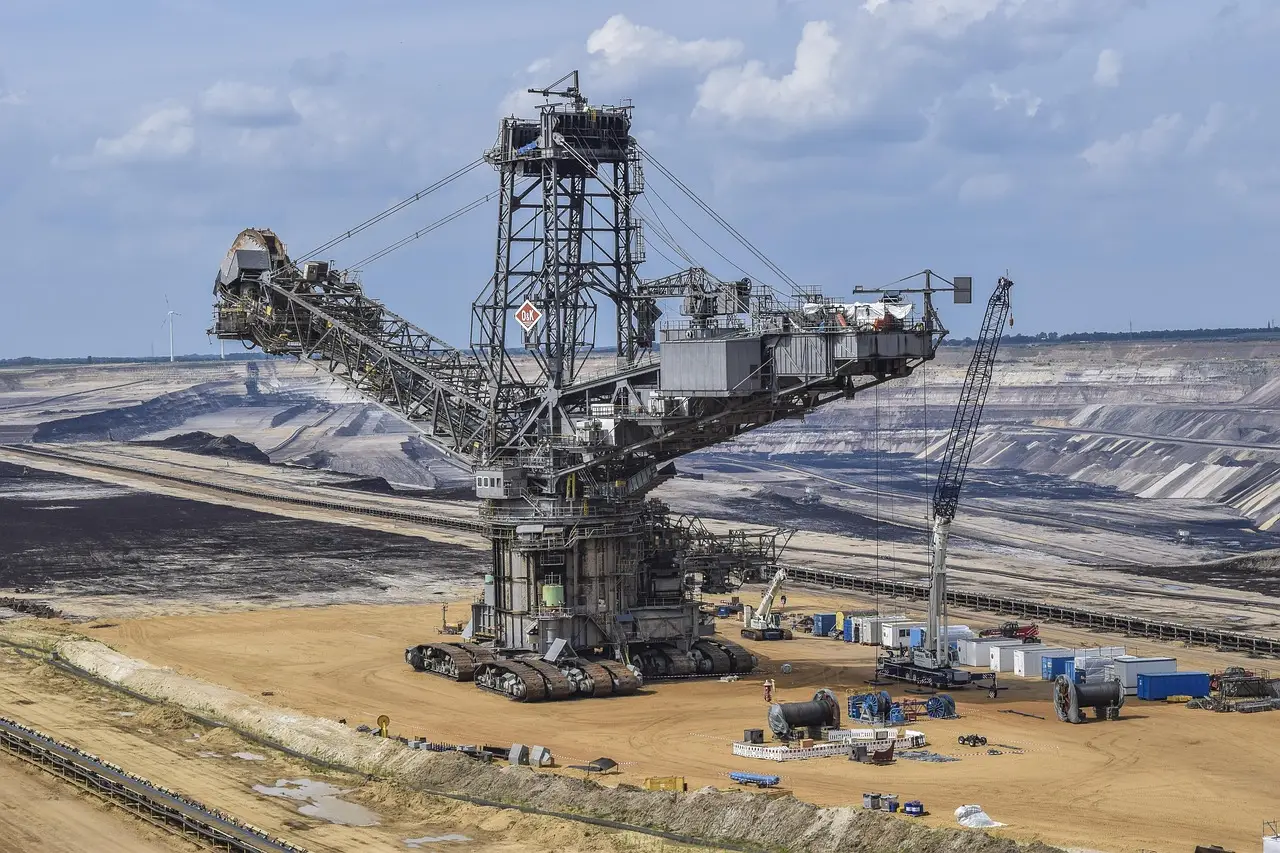
Three federal ministries will merge Germany's raw materials activities into one framework, the government announced on Wednesday. The Federal Ministry for Economic Affairs, the Federal Foreign Office and the Federal Ministry for Economic Cooperation and Development issued a joint communication. Their stated aim: secure industrial supply and reduce dependence on single suppliers.
Economics Minister Katherina Reiche (CDU) told the cabinet: "Germany's industrial strength is closely linked to reliable access to important raw materials such as rare earths." Rare earths (a group of 17 metallic elements used in magnets, batteries and electronics) sit in almost every product driving the digital and green transition, she said. The government wants to widen delivery routes. What it did not say is how fast, or at what cost.
What changes in practice?
The plan names instruments, not budgets. State actors abroad will coordinate more closely:
- Embassies and consulates (Auslandsvertretungen)
- German Chambers of Commerce Abroad (Auslandshandelskammern)
- Raw materials competence centres
- Germany Trade & Invest (GTAI, the state foreign-trade promotion agency)
- KfW, the state development bank
- BGR, the Federal Institute for Geosciences and Natural Resources
- GIZ, the Gesellschaft für Internationale Zusammenarbeit, Germany's development agency
Partner countries will receive central contact points for raw materials questions. These hubs are meant to serve companies and host states, ease political support and broker contacts with potential business partners. The ministries promise closer cooperation. Whether that reduces bureaucracy or adds another layer remains untested.
Which countries are in, and which is not named?
Partner countries will be selected according to the needs of German industry. Existing cooperation with resource-rich states — Australia, Brazil, Chile, Canada and South Africa — will deepen. China, the largest supplier of many critical materials, goes unmentioned in the communication. That omission is the loudest statement in the document.
The government also targets regions whose raw materials potential can only be tapped in the medium or long term. The stated precondition is partnerships of mutual benefit. Germany intends to help partner countries build their own value chains and create local economic prospects. That support buys goodwill; it does not buy tonnage before mines open.
Why now?
Foreign Minister Johann Wadephul (CDU) cited a volatile world in which raw materials and global sea routes are used as strategic instruments of pressure. Germany must not make itself dependent on individual states, he said. Worldwide partnerships should create a broader and more stable supply base.
Beyond diversification abroad, the plan calls for better use of domestic deposits and stronger recycling of products. Researchers had already recommended both. International supply relationships remain indispensable, the ministries wrote, so existing cooperations must expand and new sources must be developed.
The economics ministry plans an online information platform covering partnerships and competence centres, plus one central contact address for companies. The gap between state foreign policy and industry's needs is supposed to shrink. No timeline, funding figure or measurable target appears anywhere in the communication. Every promise here carries that caveat.
via heise.de/rss/heise-top-atom.xml (Source)
More from Priya Raman
Show full bio
Correspondent covering money, funding and market shifts around hardware layer of artificial intelligence at Die Signal.
749 articles
Same lot
- GlobalFoundries Moves to Expand Dresden Manufacturing Site
- BASF to Build Electronic Materials Plant in Nanjing by End of 2028
- Korea Names Seven Critical Minerals for State-Backed Overseas Mine Push
- China Imposes New Export Controls on Rare Earth and Battery Materials
- GlobalFoundries to build two New York fabs under $21bn US-Japan deal