Test report DSG-6704 · Rev C · tested November 17, 2026
Supply Chain & PolicyDevice under test
The Rental Loophole That Keeps U.S. AI Chips Flowing to China
Nvidia fell 7.6% to $160.56 as a legal rental loophole in Southeast Asia lets Chinese AI labs keep renting advanced U.S. chip compute.
- Read
- 4 min
- Words
- 742
- Node
- 28nm
- Operator
- Elena Vasquez
Spec summary
- Nvidia traded at $160.54 area, down 7.6% on the day and 29.1% over the past month.
- Biden's AI Diffusion rule, set for May 2025, is not being applied by the Trump administration.
- Nvidia's Q2 FY2027 Data Center revenue hit $89.02 billion, up 117% year-over-year.
- CFO Colette Kress said Hopper shipments to China customers were under 1% of data center revenue.
- Huawei's best AI chip capacity is in the low hundreds of thousands, with domestic demand unmet until 2030.
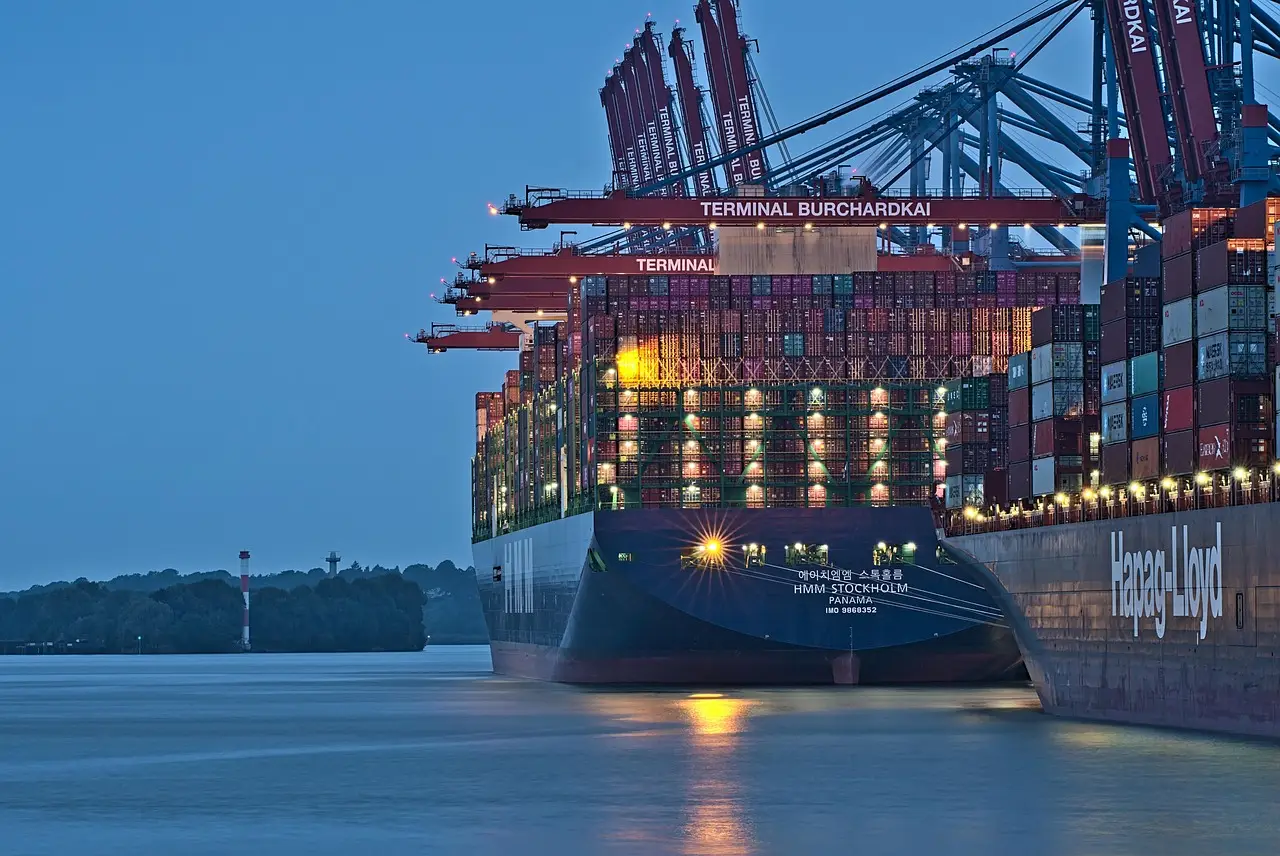
Nvidia shares fell 7.6% to $160.56 on Thursday morning — a 29.1% drop over the past month — as Washington's export controls came under fresh scrutiny over a rental loophole that lets Chinese AI labs legally rent advanced U.S. chip capacity abroad.
The chip designer's leadership is also in flux after its chief executive resigned. But the bigger question for the industry is structural: the controls designed to keep advanced silicon away from Chinese AI labs are not doing that job, because remote access sits outside their reach.
How does renting compute out of Malaysia stay legal?
Bloomberg's Odd Lots podcast walked through the mechanics: a company builds data centers in Malaysia and leases them to DeepSeek and other leading Chinese AI firms. As far as anyone knows, the show said, "there is nothing per se illegal about that arrangement."
The episode was blunt about the gap: "There are no restrictions on selling chips into Southeast Asia to be used to train the most advanced open source models from China. There's actually nothing illegal about it."
Remote rentals of this kind are "extraordinarily common across the Southeast Asian data center ecosystem," according to the show. U.S. scrutiny in the Megaspeed case centered on something different: "the suspicion that the company has not just rented compute to Chinese offtakers, but actually diverted the physical hardware" into mainland China.
The Biden administration tried to close this access route with the AI Diffusion rule, set to take effect in May 2025. The Trump administration is not applying it.
Why does Chinese demand land in Southeast Asia?
"Offtake" refers to committed buyers who agree ahead of time to purchase a data center's capacity. Nvidia chips are "filling all these data centers in Southeast Asia that in many cases wouldn't exist if not for the offtake demand from Chinese companies," Odd Lots reported. The show called Johor, Malaysia, in some ways "the backbone of Chinese compute."
Chinese-made silicon can't fill that gap yet. Huawei's production capacity for its best AI chips runs in the low hundreds of thousands of units, Bloomberg reported, and Huawei senior executives say it will take until 2030 to satiate domestic demand.
What do Nvidia's own filings show?
In its Q2 fiscal 2027 earnings release, Nvidia guided third-quarter revenue to $108 billion, plus or minus 2%, excluding any Data Center compute revenue from China. On the August 26 call, CFO Colette Kress said Hopper shipments to China-based customers made up "less than 1% of our total data center revenue."
Even so, Data Center revenue hit $89.02 billion — up 117% from a year earlier, roughly doubling in twelve months.
Nvidia is also building its own distributed rental model. Kress described a revenue-sharing setup with regional NeoClouds in which "we get paid twice: once on the hardware sale and again through the share of rental revenue." YTL AI Cloud in Malaysia is one named partner. Jensen Huang, CEO at the time of the call, said the platform "is fungible and durable and can be redeployed to support other customers."
Nothing on the call showed Nvidia equipment being leased into China. But regional ownership and third-party operation make it harder to track who ends up using the chips.
What does Chambers want Washington to do?
Former Cisco CEO John Chambers joined CNBC's Fast Money on November 11 and said of U.S.-China technology ties: "The capability we give them and the trust factor is broken." He added: "But when the current leadership came in, I pulled out of China."
For very advanced technologies important to defense, Chambers said, "we have to be very selective," and he would be conservative. That approach depends on trust: Washington has to trust that chips sold to allies stay put, and that cloud operators renting them out know who their customers are.
What should practitioners watch next?
- A move to close the remote-access rental loophole. That could mean reviving something like the AI Diffusion rule or adding licensing requirements for overseas cloud operators. Either would change who can lease Nvidia compute in Southeast Asia.
- Regional exposure in Nvidia's numbers. Kress said sovereign AI, mostly sold through regional NeoClouds, more than tripled year-over-year in Q2. More regional detail in upcoming filings or on the next earnings call would show how exposed that growth is if the rules tighten.
via 247wallst.com (Source)
More from Elena Vasquez
Show full bio
Senior reporter covering people, launches and day-to-day practice in hardware layer of artificial intelligence at Die Signal.
675 articles
Same lot · LOT-362D
- DSG-40033nmChinese AI Firms Rush to Reserve Nvidia Capacity Abroad
- DSG-150745nmUS Tightens AI Chip Exports After Nvidia Smuggling Scandal
- DSG-259945nmNvidia 7%, Apple 15%: Two Paths Into the Same China Trap
- DSG-357320nmU.S. Bans Remote Leasing of AI Chips to China in Preemptive Rule
- DSG-567065nmNvidia orders cloud partners to cap China exposure at 49 percent