Test report DSG-1235 · Rev D · tested November 11, 2026
AI Datacenter InfrastructureDevice under test
SoftBank Takes $3.7 Billion Hit After Canceling 13 GW of Turbine Orders
SoftBank booked a $3.7 billion charge after scrapping reservations for 13 gigawatts of gas turbines, days after CFO Yoshimitsu Goto denied Elon Musk's default claim.
- Read
- 3 min
- Words
- 595
- Node
- 7nm
- Operator
- Priya Raman
Spec summary
- SoftBank took a $3.7 billion charge after canceling over 13 gigawatts of gas turbine reservations, equal to more than six Hoover Dams.
- CFO Yoshimitsu Goto denied Elon Musk's default claim: "There is no such default."
- By early 2026 SoftBank had reserved more generation capacity than the state of Connecticut.
- The company still plans a $33 billion, 9.2-gigawatt Ohio plant from early 2027 feeding an 8-gigawatt data center leased to OpenAI.
- Nvidia entered discussions to guarantee around $250 billion in financing for the project.
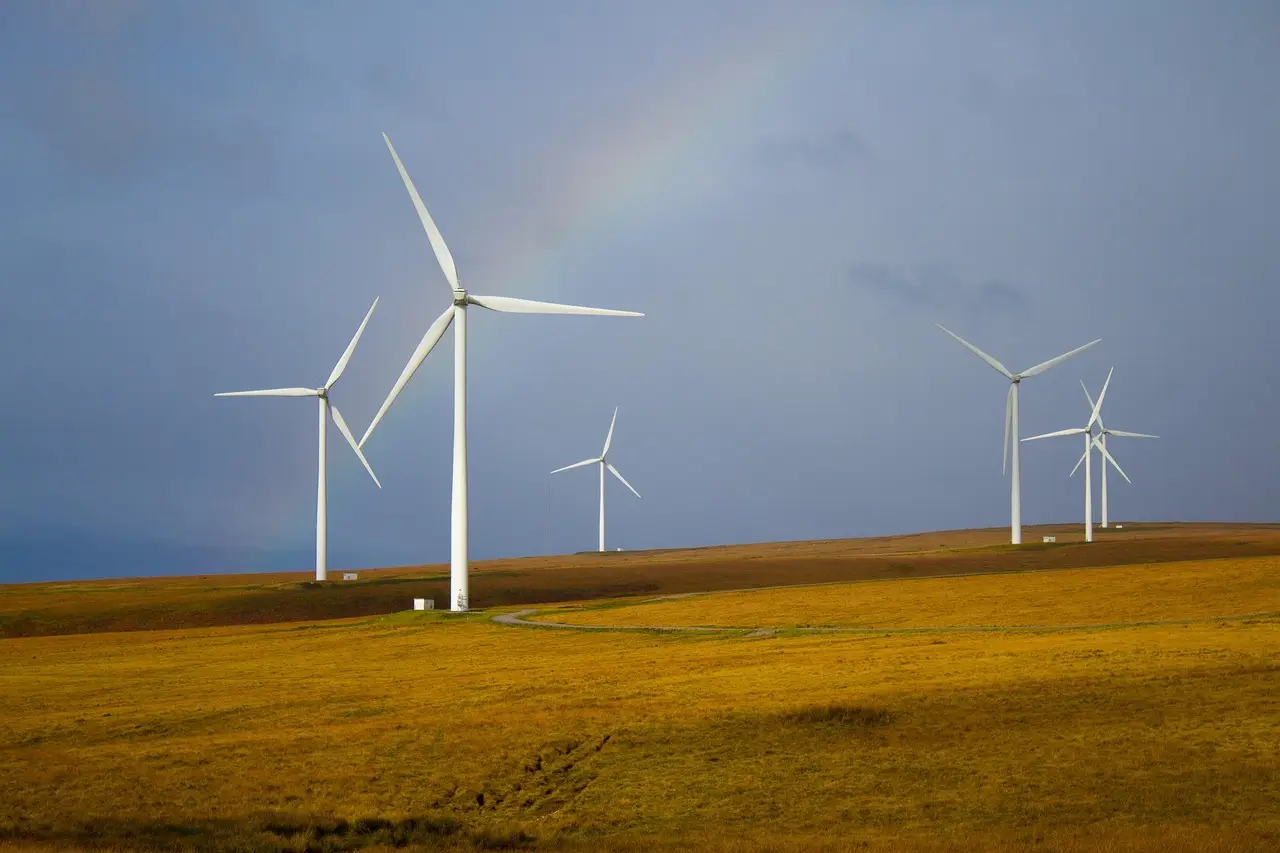
SoftBank has taken a $3.7 billion charge after canceling reservations for more than 13 gigawatts of gas turbine capacity. The Wall Street Journal, citing unnamed people familiar with the orders, reported the figure. That capacity equals more than six Hoover Dams.
The write-down lands days after SoftBank publicly denied a default claim from Elon Musk. The xAI CEO had posted on X that SoftBank defaulted on a raft of data center turbines. Chief Financial Officer Yoshimitsu Goto rejected the assertion directly. "This is simply not correct at all," Goto reportedly said. "There is no such default."
SoftBank insists the cancellations were voluntary. The company told investors on a recent earnings call that the orders had been placed "to secure power generation equipment in anticipation of shortages." The results suggest the anticipation outran the demand.
What did SoftBank actually reserve?
By early 2026, SoftBank had reserved more power generation capacity than the entire state of Connecticut, according to the WSJ. It had cornered a large share of global gas turbine production.
Gas turbines are engines that convert natural gas into the electricity data centers consume. Orders must be placed years in advance. Turbine manufacturers regularly charge customers tens of millions of dollars per gigawatt to hold reservations. Founder and Chief Executive Masayoshi Son had treated the reservations as central to SoftBank's future earning potential.
The bet was straightforward. If AI-driven data center demand outstripped turbine supply, SoftBank would hold the scarce components. It would control a chokepoint of the buildout. That scarcity premium did not materialize on the timeline the company priced in.
Which contracts survived?
SoftBank canceled its remaining reservations with GE Vernova, its turbine supplier. It also unwound contracts for orders too far advanced to cancel outright. The company has not disclosed the split between scrapped reservations and unwound contracts, nor the per-gigawatt cost it paid. Those omissions matter. Without them, the $3.7 billion charge cannot be checked against the reservation rates manufacturers typically charge.
What happens to the Ohio project?
One project continues. SoftBank plans a 9.2-gigawatt power plant in Ohio, with construction scheduled to start in early 2027. The plant will cost $33 billion to build. It will supply a neighboring eight-gigawatt data center leased to OpenAI.
The financing has a condition worth noting. Nvidia entered discussions about guaranteeing roughly $250 billion of financing for the project, and the OpenAI lease followed those talks. The Ohio plant therefore stands on a partner's credit commitment, not on SoftBank's balance sheet alone.
Is the default dispute settled?
Not formally. Musk made his claim on X. Goto countered within days, and SoftBank repeated to investors that the withdrawal was a choice. No contract documents have surfaced publicly. GE Vernova has not commented on the record about the cancellations or about any alleged default.
The company's framing raises a structural question. A voluntary cancellation that costs $3.7 billion and a default settlement that costs $3.7 billion can look identical in an earnings statement. SoftBank says the first. Musk alleged the second. Absent disclosure of the contract terms, the market has only the company's word.
What is not disputed is the scale of the reversal. Thirteen gigawatts of reserved capacity, more than Connecticut consumes, has been written off in a single charge. Son's thesis on turbine scarcity remains, but it is now a narrower bet carried by one Ohio plant and one tenant. The rest of the reservation book is gone, and the invoice for holding it is $3.7 billion.
via tomshardware.com (Source)
More from Priya Raman
Show full bio
Correspondent covering money, funding and market shifts around hardware layer of artificial intelligence at Die Signal.
573 articles
Same lot · LOT-3627
- DSG-904210nmSoftBank’s $3.7 Billion Turbine Write-Off Tests Musk’s Default Claim
- DSG-28413nmGE Vernova backlog hits $197bn as data centers drive turbine demand
- DSG-834620nmAI Data Centres Pay Up to $1.7 Million per MW for Used Turbines
- DSG-222410nmSpaceX's $24B Starbase Gas Plant Becomes Texas Cloud Policy Test
- DSG-52867nmBlackRock and Nvidia Back $40 Billion AI Data Center Consortium