Test report DSG-8346 · Rev C · tested November 9, 2026
AI Datacenter InfrastructureDevice under test
AI Data Centres Pay Up to $1.7 Million per MW for Used Turbines
Used gas turbines hit $1.5M–$1.7M per MW and refurbished units $1.3M as AI builders race grid delays, with xAI installing eight converted turbines in Mississippi.
- Read
- 3 min
- Words
- 684
- Node
- 20nm
- Operator
- Elena Vasquez
Spec summary
- Used gas turbines cost $1.5M–$1.7M per MW; refurbished units $1.3M per MW (Origin Partners via Reuters).
- xAI has installed eight converted turbines in Mississippi per NYT permits and satellite imagery.
- FTAI Aviation holds contracts for 100+ CFM56-based generators for US and Canada in 2027–2028.
- Converted aircraft engines are generally less efficient and more polluting than purpose-built plant turbines.
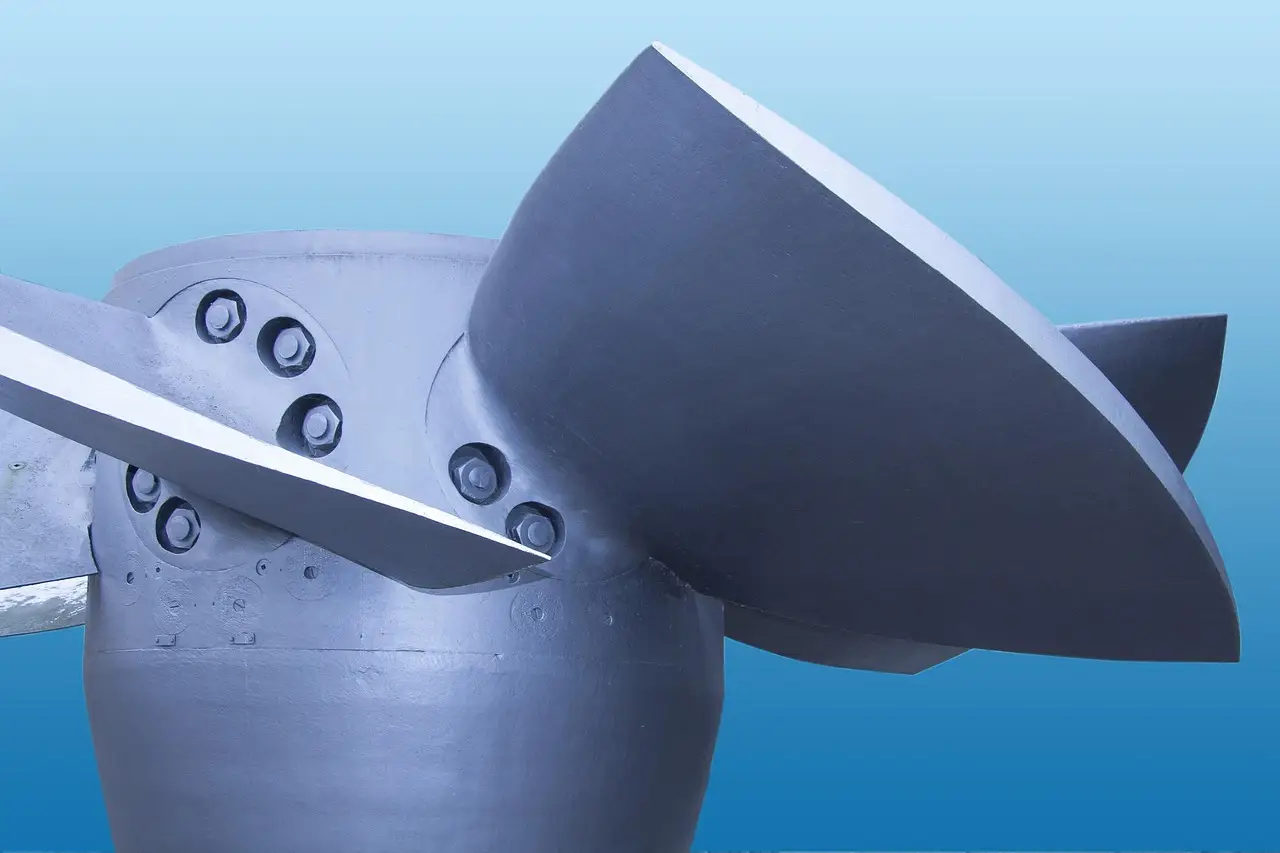
Used, well-maintained gas turbines now fetch about $1.5 million to $1.7 million per megawatt, and refurbished units go for roughly $1.3 million per megawatt, according to Zach Machuca, managing partner at Origin Partners, in figures reported by Reuters. That pricing is the first public anchor for a market born of desperation: AI developers want gigawatts today, and the grid cannot deliver them on schedule.
So data centre builders are buying whatever generating hardware already exists. Utilities, developers and other firms chasing AI power are hunting second-hand and refurbished gas turbines, reviving mothballed equipment and converting retired aircraft engines.
Why is the market scrambling for old iron?
Training and serving large AI models takes electricity on a scale few industrial customers have ever requested — a single campus can ask for as much power as a small city. Utilities plan transmission lines and substations over many years, while developers build in 18 months. That mismatch drives the turbine hunt.
Gas turbines offer a way around the wait. Developers can place generators on site, run them on natural gas and treat the grid as a backup. Compute capacity is now limited by electricity, not only chips, so every month saved by finding used turbines is a month of earlier training or inference revenue.
What's confirmed, and what isn't?
Reuters and The New York Times anchor the confirmed picture:
- xAI has installed eight converted turbines in Mississippi, per NYT reporting based on permits and satellite imagery. Actual output figures are not confirmed.
- FTAI Aviation launched a division converting retired Boeing 737 and Airbus A320 engines into data centre generators. Its Mod-1 generator uses a CFM56 core.
- FTAI has contracts to deliver more than 100 CFM56-based generators in the US and Canada during 2027 and 2028.
- ProEnergy converts GE aircraft turbines; its PE6000 retrofits CF6-80C2 cores with newly manufactured aero-derivative parts.
No source ties a specific used turbine to a specific buyer, and no output figures, delivery dates or contract values beyond those above have confirmation. Treat social-media claims otherwise as rumour.
What does the per-MW math mean for a budget?
The reported rates scale fast. At 500 MW: $650 million for refurbished equipment, $750–850 million for used. At one gigawatt, the spread between refurbished and top-end used reaches $400 million — a rounding error next to the cost of delay for a developer spending tens of billions on chips and buildings. Installation, fuel supply, permitting and interconnection would add to any real project.
How does a jet engine become a power plant?
Conversion happens in three broad moves. Converters strip aviation-specific components built for thrust and flight control, leaving the certified engine core. They rebuild the combustion system so the engine burns pipeline natural gas instead of kerosene-type jet fuel — the most delicate stage, affecting efficiency and emissions. Finally, they couple the output shaft to an electrical generator feeding the campus through switchgear.
The drawback is documented: repurposed aircraft turbines are generally less efficient and more polluting than equipment designed for gas-fired power plants, per NYT and other reporting. That collides with tech firms' climate pledges and gives regulators and residents a concrete complaint — the xAI findings came from public permit filings.
What do experts say?
Energy-market analyst Roling told Benzinga: "Data centers' binding constraint is speed to power. So the winners are the companies that sell speed to power: gas turbines, grid equipment and batteries."
Boom Supersonic founder and CEO Blake Scholl pitched a waterless alternative: "This is a 42-megawatt natural gas turbine that runs on that same supersonic technology, which means it's used to being hot and it doesn't need cooling water." Titus president Jeff Ferguson struck a cautious note in Grist reporting: "We could've elected to go with gas turbines."
The pattern through 2028: scarcity rewards anyone who delivers working generation quickly, and penalises anyone who can't document how clean it is. Emergency solutions often outlast the emergency — a turbine installed as a stopgap in 2027 may still be running in 2030.
via shattered.io (Source)
More from Elena Vasquez
Show full bio
Senior reporter covering people, launches and day-to-day practice in hardware layer of artificial intelligence at Die Signal.
589 articles
Same lot · LOT-3610
- DSG-150565nmBritish AI chip startup raises $125m for data-centre power play
- DSG-52867nmBlackRock and Nvidia Back $40 Billion AI Data Center Consortium
- DSG-324545nmUBS: Power Supply Can Meet AI Chip Demand Through 2030
- DSG-16975nmNvidia's green-power push targets grid bottlenecks, revenue shield
- DSG-503714nmEmerald AI Draws Google, Nvidia, Anthropic for Grid-Flexibility Work