Test report DSG-1225 · Rev B · tested November 4, 2026
Supply Chain & PolicyDevice under test
Smuggled HBM Hits $4,000 a Unit as Huawei Shifts Sourcing to Clients
Huawei tells AI chip customers to source their own HBM as smuggled modules hit $4,000 each, with memory costs reaching $32,000 per chip through Hong Kong channels.
- Read
- 2 min
- Words
- 396
- Node
- 20nm
- Operator
- Amara Osei
Spec summary
- Smuggled HBM3E prices rose from a few hundred dollars to about $4,000 per unit within a year
- Memory costs can reach $32,000 per AI chip, which requires six to eight HBM modules
- South Korean customs logged $560 million in trade violations by May, one-third tied to strategic goods
- Samsung and SK Hynix control over 80% of the global HBM market, and U.S. rules block Huawei from buying directly
- Huawei plans to launch the Ascend 960DT early next year with claimed double performance
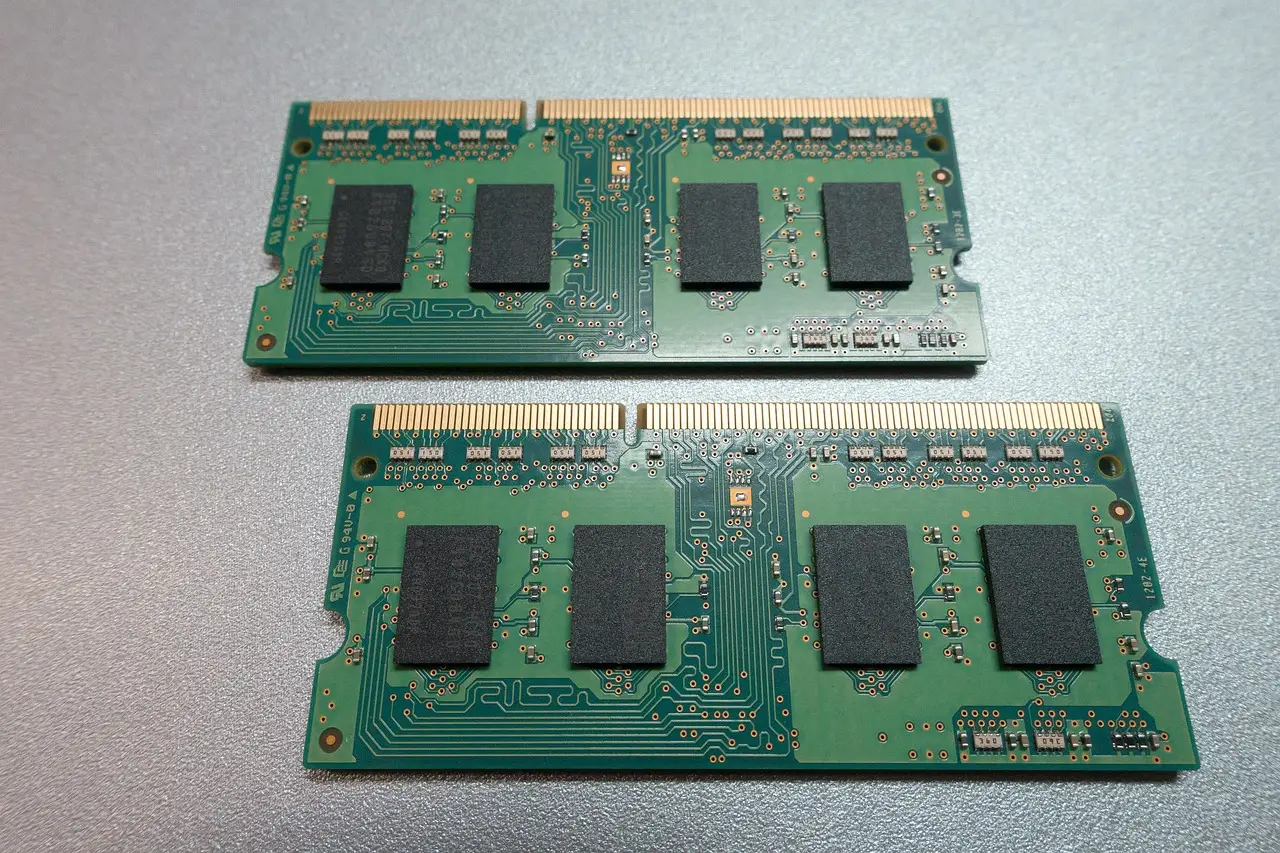
By Amara Osei
Smuggled HBM3E memory now trades at roughly $4,000 per unit on China's grey market, and Huawei has told some customers to buy the memory for its AI chips themselves. A Shenzhen-based broker reports the unit price surged from a few hundred dollars over the past year.
The arithmetic tightens fast. Each AI accelerator needs six to eight HBM modules, which places memory costs alone at up to $32,000 per chip. That total now shapes procurement decisions across China's AI hardware sector.
Where does the parallel supply come from?
The grey market draws on several streams:
- Organized smuggling networks routing hardware through Hong Kong
- Older Nvidia GPUs dismantled for their parts
- Surplus inventory released by chip designers
South Korean customs quantified the scale. Authorities recorded $560 million in trade violations by May — a figure that already exceeds the previous annual record. One-third of that total involves strategic goods, including chips exported without authorization or under false declarations.
How do networks evade U.S. export rules?
Smugglers exploit a loophole in U.S. regulations. They pair HBM modules with server processors that perform below export-control thresholds, then ship the combined sets to China through Hong Kong. On arrival, workshops physically separate the memory chips from the processors.
Participants describe the operation as fragile and prone to a high error rate. The margins, however, keep the practice running. A sophisticated smuggling network has formed around this method to feed Chinese demand.
Why can't Huawei simply buy HBM?
Huawei cannot secure enough HBM, and its domestic Chinese suppliers do not produce sufficient volumes. U.S. export rules block direct purchases from Samsung and SK Hynix, the two manufacturers that together control more than 80% of the global HBM market. All of this unfolds while Huawei remains under U.S. sanctions.
Confronted with the shortfall, Huawei has informed some customers that they must acquire the necessary memory for its AI chips on their own, according to a source familiar with the matter.
What is Huawei shipping next?
Huawei is preparing the Ascend 960DT for launch early next year. The company claims the chip could deliver double the performance of its current models. Whether customers can actually stock the memory those chips require remains the open constraint.
For now, the bottleneck sits in the supply chain, not in the silicon design.
via Google News: HBM memory (Source)
More from Amara Osei
Show full bio
Staff writer covering money, funding and market shifts around hardware layer of artificial intelligence at Die Signal.
593 articles
Same lot · LOT-360B
- DSG-972714nmSmuggled HBM3E Hits $4,000 Per Unit on China's Gray Market
- DSG-72323nmHuawei Tells AI Chip Buyers to Smuggle Their Own Memory, Report Says
- DSG-155110nmChip Smuggling Cases Reveal Gaps in Nvidia's China Export Controls
- DSG-24585nmChinese AI firms bought 1 million Nvidia GPUs in one year
- DSG-99315nmChina's AI chip gap: localization accelerates, Nvidia still leads