Test report DSG-9398 · Rev C · tested November 17, 2026
AI Datacenter InfrastructureDevice under test
Sizable Energy bets on offshore pumped hydro to power data centers
Sizable Energy raised $8m for offshore pumped hydro storage targeting data centers, with a 10GWh pipeline and a Naples demonstrator due in early 2027.
- Read
- 4 min
- Words
- 759
- Node
- 14nm
- Operator
- Priya Raman
Spec summary
- Sizable Energy raised $8 million in October 2025 for long-duration ocean energy storage.
- A 50-meter-diameter subsystem prototype was tested at the NOEL wave basin in Reggio Calabria.
- An integrated demonstrator with a Naples data center is expected in the first half of 2027.
- The company claims a pipeline of more than 10GWh across the Mediterranean, Middle East and Caribbean.
- FEED studies are underway for projects in Calabria and Sicily.
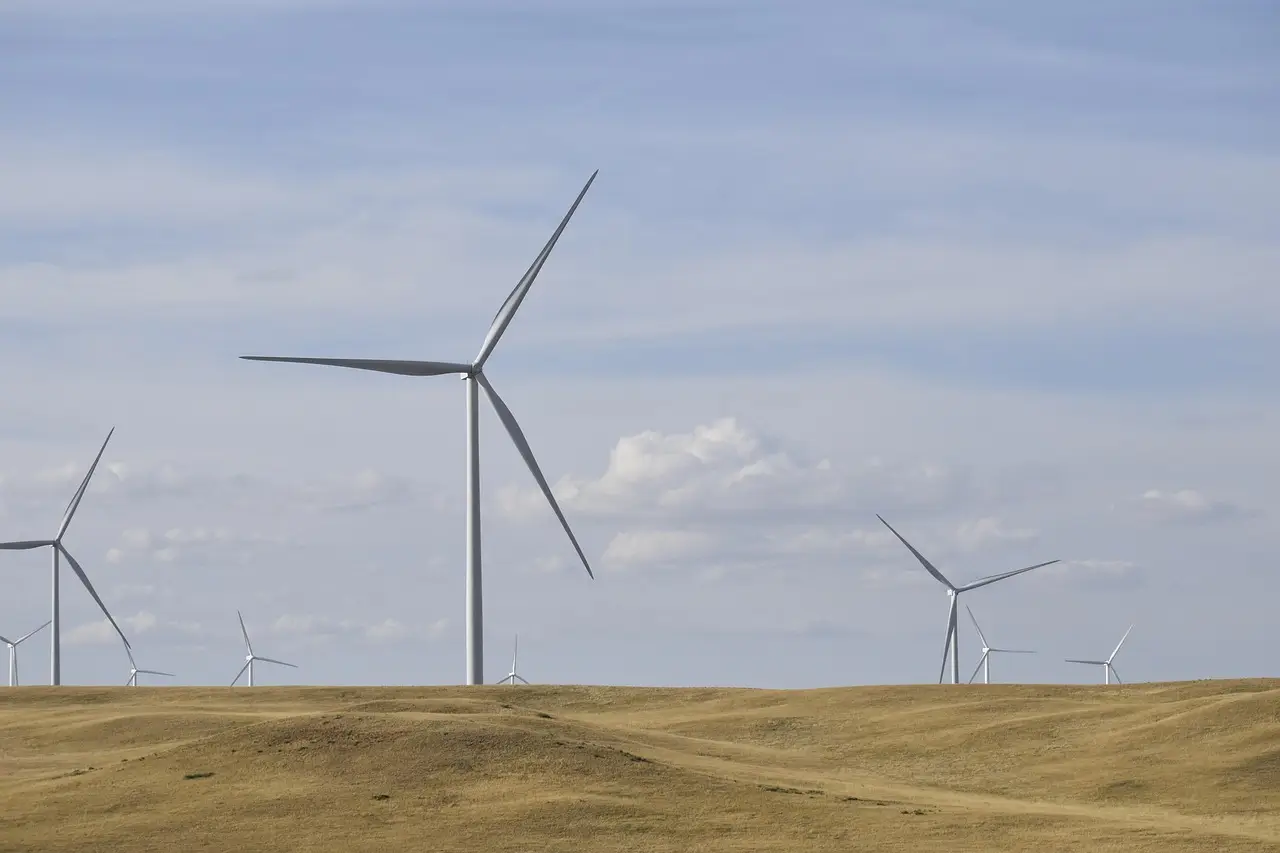
Italian startup Sizable Energy has raised $8 million to commercialize an offshore energy storage system it says can deliver gigawatt-scale, long-duration storage for grids serving data centers. The claim has support from tests, but no deployed commercial unit yet.
The company, based in Italy, is developing a storage principle modeled on pumped hydro plants (facilities that store energy by moving water between reservoirs at different heights) that Italy has built over the past century to balance production and consumption and help prevent blackouts. Sizable Energy moves that principle offshore. Its twist: it uses hydrostatic pressure and gravity at sea.
How does the system work?
The technology functions like a large battery for the grid. Excess electricity pumps a brine solution denser than seawater into a floating reservoir. This stores energy by raising the dense fluid against gravity. When the grid needs power, the system releases the fluid toward a second reservoir on the seabed, driving turbines that return electricity.
Sizable Energy claims its modular offshore pumped hydro is more cost-effective and easier to deploy at scale than most existing onshore pumped hydro capacity. The company offered no per-megawatt cost figures to support that comparison. Onshore pumped hydro remains the cheapest bulk storage option in most markets, so the burden of proof is high.
What has actually been tested?
Earlier this year, the company ran a pre-industrial-scale test at the Natural Ocean Engineering Laboratory (NOEL) of the University Mediterranea of Reggio Calabria, in southern Italy. Engineers assembled floating components into a subsystem prototype with a diameter of 50 meters (164 ft). NOEL's natural wave basin allowed marine structures to be tested at scale under authentic operating conditions rather than simulated ones.
In October 2025, Sizable Energy announced the $8 million round, which followed successful testing at the offshore wave basin of the Maritime Research Institute Netherlands. The funding is meant to accelerate commercial deployment of long-duration ocean energy storage. No revenue-generating project exists yet, and the company has not disclosed the round's investors.
"Without cost-effective long-duration storage, the grid cannot keep up, regardless of energy source," CEO Manuele Aufiero said after last year's round. "Our ocean-based system stores gigawatt-scale power affordably, making the grid more stable, resilient, and ready for the future."
The word "affordably" carries weight here. Aufiero did not publish levelized cost estimates. Gigawatt-scale capacity also remains a projection until an integrated demonstrator runs.
What comes next?
Sizable Energy has secured additional funding for an integrated demonstrator with a data center in Naples, expected in the first half of 2027. Pre-front-end engineering design and front-end engineering design studies (the early feasibility and planning phases that precede construction) are underway for projects in Calabria and Sicily.
Co-founder Simone Biondi told PV Magazine that the company is exploring direct renewable power supply agreements with large consumers, including data centers, to secure long-term revenue. Data centers are a logical anchor customer: they consume continuous power and face mounting pressure to match it with clean supply.
Biondi also said Sizable Energy has built an international pipeline of more than 10GWh of potential projects across the Mediterranean and the Middle East, with advanced discussions taking place in the Caribbean. A pipeline is not a contracted portfolio. The company did not say how many of those projects have signed agreements or secured sites.
Why does data center demand matter?
Long-duration storage addresses a specific gap. Data centers need firm, continuous power, and renewables such as wind and solar deliver it intermittently. Storage that can shift energy across hours or days, rather than the minutes-to-hours window of lithium-ion batteries, is the missing piece in most decarbonization plans for the sector.
Sizable Energy's schedule leaves little slack. If the Naples demonstrator slips past the first half of 2027, the company's commercial timeline and its claim of affordable gigawatt-scale storage will face harder questions. The $8 million raised so far is modest for marine engineering at demonstration scale, and the company has not disclosed what the additional demonstrator funding amounts to.
The technology itself is not exotic. Pumped hydro is proven, dense fluids are proven, and NOEL's wave basin test showed the floating components survive real sea conditions at subsystem scale. What remains unproven is the full cycle at commercial scale, in open water, delivering electricity at a price data centers will sign long-term contracts for. That proof arrives in Naples in 2027, or it does not.
via datacenterdynamics.com (Source)
More from Priya Raman
Show full bio
Correspondent covering money, funding and market shifts around hardware layer of artificial intelligence at Die Signal.
661 articles
Same lot · LOT-362D
- DSG-858914nmHouston Firms Plan Gas-Powered Floating Data Centers
- DSG-448645nmKrolmap plans €1.5bn, 225MW off-grid data center in Belchite
- DSG-403265nmDayOne, Sembcorp MoU covers APAC data center power
- DSG-710714nmDrax, Brookfield and Radiant Plan Up to 1GW Data Center at Selby Power Station
- DSG-48675nmEndeavour and Trevi Target 200,000 Gallons of Water Per MW From Data Center Heat