Test report DSG-7621 · Rev F · tested October 18, 2026
Memory & StorageDevice under test
Samsung to Build Nvidia's Next-Gen Memory Chips on TSMC Technology
Samsung will use TSMC technology for Nvidia's next-generation memory chips, a Seoul newspaper reports — an unusual alignment between foundry rivals.
- Read
- 3 min
- Words
- 564
- Node
- 45nm
- Operator
- Elena Vasquez
Spec summary
- Samsung plans to use TSMC technology for Nvidia's next-generation memory chips, a Seoul newspaper reports.
- TradingView carried the aggregated report; the originating outlet is based in Seoul.
- The report includes no production volumes, timelines, or financial terms.
- Samsung competes with SK Hynix and Micron in high-bandwidth memory for AI accelerators.
- Samsung Foundry and TSMC are direct rivals in advanced logic manufacturing.
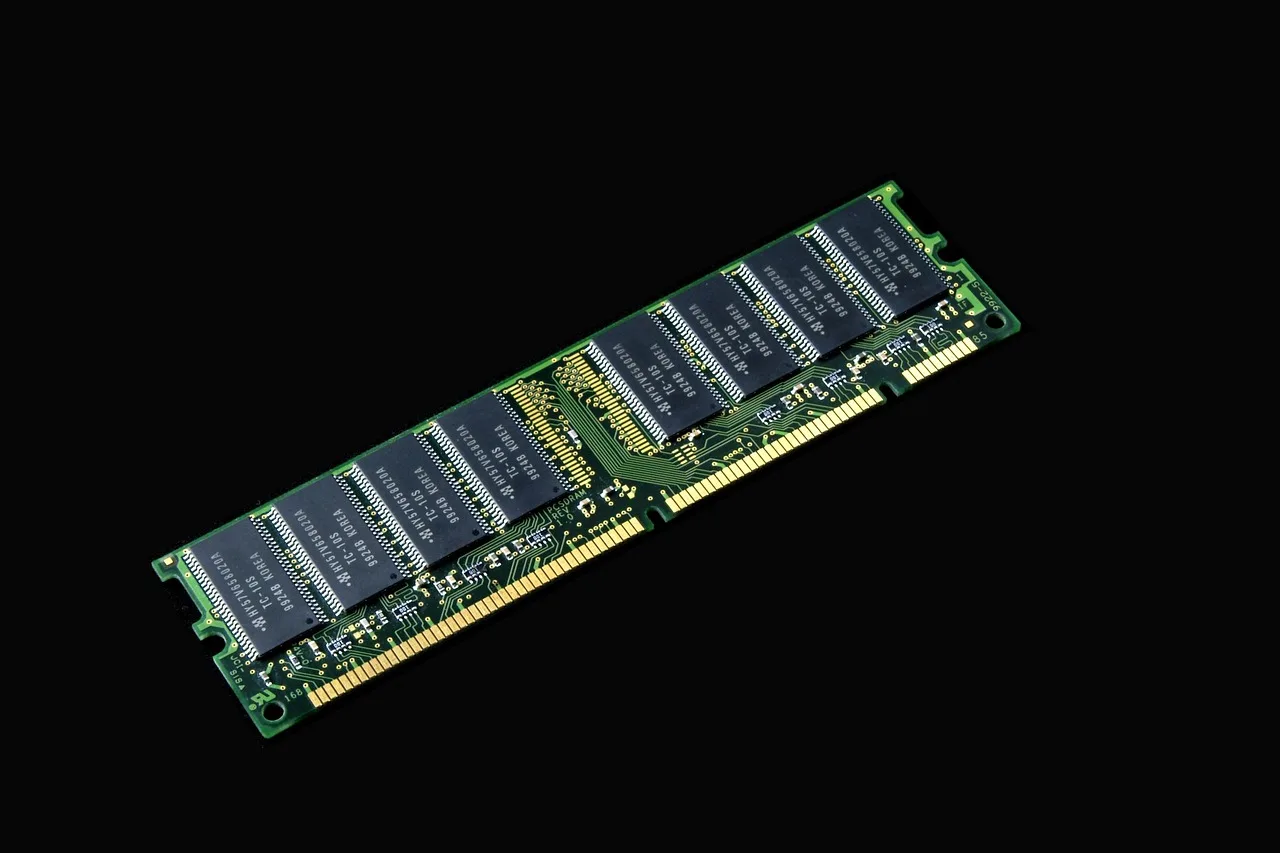
Samsung plans to use TSMC technology for the production of Nvidia's next-generation memory chips, according to a report from a Seoul newspaper. The claim, carried by TradingView, signals a potential shift in how high-bandwidth memory for AI accelerators gets built — and who builds it.
If the report holds, it means Samsung's memory division would lean on its biggest foundry rival's process know-how to serve its biggest AI customer. That's not how these relationships usually work, and practitioners in the semiconductor supply chain will want to read the arrangement carefully before assuming business as usual.
What does the report actually say?
The core claim is narrow but significant. Samsung, one of the world's three major high-bandwidth memory makers alongside SK Hynix and Micron, would apply TSMC technology to chips destined for Nvidia's next generation of AI hardware. A Seoul-based newspaper is the originating outlet, with TradingView aggregating the story.
No production volumes, timelines, or financial terms appear in the initial reporting. Treat this as an early signal rather than a confirmed supply agreement until Samsung, TSMC, or Nvidia comment on the record.
Why would Samsung bring in TSMC technology?
The likely logic sits at the intersection of two pressures. First, Nvidia's memory requirements keep tightening with each accelerator generation, and qualifying next-generation stacks demands process precision that foundry-side integration increasingly determines. Second, TSMC handles the logic dies and advanced packaging that sit at the heart of Nvidia's AI platforms — so aligning memory production with TSMC-compatible technology could smooth the integration path.
For Samsung's memory customers, the practical question is straightforward: does this arrangement improve Samsung's ability to compete for Nvidia sockets it has struggled to win outright? Reports in recent quarters have consistently described SK Hynix as the incumbent leader in HBM supply to Nvidia, with Samsung working to close the qualification gap.
What changes for practitioners?
For memory buyers and supply-chain planners, a Samsung–TSMC technology tie-up on Nvidia-bound chips would add a second credible volume source for next-generation AI memory. More qualified supply typically means shorter allocation queues — the bottleneck that has defined HBM procurement since the AI buildout began.
For foundry watchers, the story is the reversal embedded in it. Samsung Foundry competes directly with TSMC for advanced logic contracts. Samsung's memory arm choosing TSMC technology for a marquee customer's next-generation product would acknowledge, in effect, where the critical process capability sits for this class of chip.
For investors tracking the AI hardware trade, the report reshuffles expectations about which suppliers capture margin from Nvidia's next product cycle. Memory vendors that pair their stacks with the right foundry-side technology stand a better chance of landing qualifying slots.
What to watch next
Confirmation or denial from the three companies is the first checkpoint. After that, look for qualification milestones — the stage where reported intentions either convert into shipping silicon or quietly drop off the roadmap. Watch, too, for any disclosure about which Samsung fabs would run the TSMC-derived process and whether the arrangement extends beyond this generation of chips.
Until then, the Seoul report stands as a directional signal: Nvidia's next memory supply chain may look less like a solo effort by any single vendor and more like a stitched-together alliance of rivals.
via Google News: TSMC (Source)
More from Elena Vasquez
Show full bio
Senior reporter covering people, launches and day-to-day practice in hardware layer of artificial intelligence at Die Signal.
452 articles
Same lot · LOT-C1CE
- DSG-28527nmSamsung to Build Nvidia's Next-Gen Memory on TSMC Process, Report Says
- DSG-828214nmSamsung to Use TSMC Technology for Nvidia's Next-Gen Memory Chips
- DSG-220228nmSamsung Reported to Use TSMC Tech for Nvidia Memory Chips
- DSG-672014nmSamsung Will Build Nvidia's Next-Gen Memory Chips on TSMC Tech
- DSG-95225nmSamsung Turns to TSMC 3nm for Nvidia's Next-Gen AI Memory Chips