Test report · tested November 12, 2026
Processors & AcceleratorsDevice under test
Quantinuum upgrades Riken system to 56 qubits, targets AI links
Quantinuum upgraded Riken's Reimei to 56 qubits and will study direct AI-data-center links with SoftBank while developing a “Made with Japan” fault-tolerant system.
- Read
- 3 min
- Words
- 607
- Segment
- Processors & Accelerators
- Operator
- Grace Kim
Spec summary
- Reimei at Riken now uses Quantinuum's 56-qubit System Model H2.
- The H1 system was deployed at Riken in February 2025 with 20 qubits.
- The 2025 Riken installation was Quantinuum's first on-premise delivery.
- Quantinuum, Riken and SoftBank will assess quantum-computer links to Japanese AI data centers.
- Quantinuum was founded in 2021; Honeywell owns 54%, and IBM is also an investor.
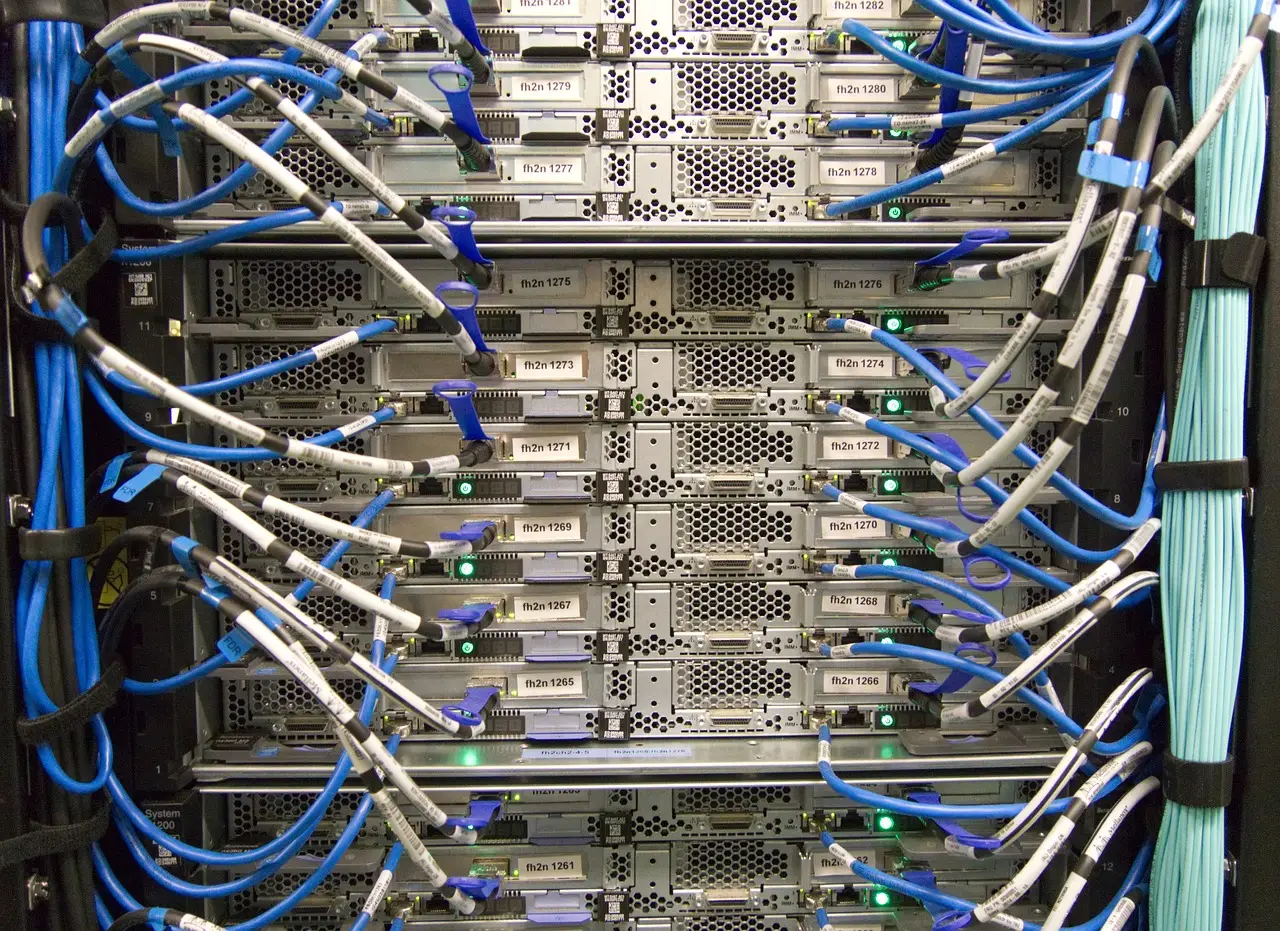
Quantinuum has completed the upgrade of its Reimei quantum computer at Riken’s supercomputing center in Wako, Saitama, to the company’s latest-generation 56-qubit System Model H2, the companies said this week.
The Japanese installation had previously used Quantinuum’s H1 model, deployed in February 2025 with 20 qubits. The February deployment marked Quantinuum’s first on-premise (customer-site) delivery.
Quantinuum and Riken described the development as a “significant” upgrade. Under their expanded partnership, the work now has three tracks:
- A completed hardware upgrade: Reimei now uses the 56-qubit System Model H2, expanding what Riken can explore with the system.
- A domestic fault-tolerant system (designed to continue computing despite component errors): Quantinuum and Riken will work with Japanese universities and component suppliers on a “Made with Japan” computer.
- A data-center study: Quantinuum, Riken and SoftBank will examine direct links between quantum computers and artificial-intelligence (AI) data centers in Japan.
The domestic program will combine Quantinuum’s quantum technology with Japanese research and manufacturing expertise, drawing on experience from deploying and operating Reimei at Riken.
“Japan’s quantum ambitions require advanced capabilities today and a sustained commitment to developing what comes next,” said Dr. Rajeeb Hazra, Quantinuum CEO.
“The upgrade to Reimei expands what we can explore with Riken across electronics, energy and life sciences.”
“Together, we are building on this work to develop a fault-tolerant quantum computer with Japanese universities and suppliers, while exploring with SoftBank how these capabilities can become accessible to industry through Japan’s AI data centers.”
Reimei operates within the JHPC-quantum project. NEDO (New Energy and Industrial Technology Development Organization) funds the project and sits under Japan’s Ministry of Economy, Trade and Industry.
Under a separate agreement, Quantinuum, Riken and SoftBank Corp. will explore connecting quantum computers directly with AI data centers in Japan. The partners will assess infrastructure readiness and examine how connected systems could support commercial quantum-AI hybrid computing services.
The scope covers links among quantum processors, high-performance computing (HPC) and AI infrastructure, matching SoftBank’s stated goal of making hybrid capability accessible across Japan.
“Japan has established a strong foundation for hybrid quantum-HPC computing through the NEDO-supported JHPC-quantum project,” said Takenori Kobayashi, vice president and head of SoftBank Corp.’s product research and development division.
“Our responsibility is to turn these achievements into industrial value. Together with Riken and Quantinuum, we aim to advance a Quantum AI Datacenter that connects quantum computing with AI and HPC, making these capabilities accessible to businesses across Japan.”
What changes for Japanese businesses?
Commercially, the announcement creates an evaluation track, not a service launch. The SoftBank agreement will examine infrastructure readiness and connected-system designs for quantum-AI hybrid services; the Riken work will develop a Japanese research and supplier base for a fault-tolerant machine.
For businesses now, the practical change is limited to a planned evaluation of infrastructure and quantum-AI service models. The announcement provides no deployment date or service terms.
Quantinuum was founded in 2021, when Honeywell spun out its Quantum Solutions division and merged it with UK quantum-computing startup Cambridge Quantum Computing. Honeywell owns 54% of Quantinuum, while IBM is also an investor.
Quantum computers once sat mainly in custom white spaces at company laboratories and supercomputing centers. They now appear increasingly in commercial data centers and connect with “classical” graphics processing unit (GPU) and central processing unit (CPU) supercomputers.
The Riken partnerships place that shift inside a Japanese program: a 56-qubit research system, a domestic supply-chain effort and a study of commercial quantum-AI data-center links.
via datacenterdynamics.com (Source)
More from Grace Kim
Show full bio
Market editor covering regulation, policy and their impact on hardware layer of artificial intelligence at Die Signal.
759 articles