Test report · tested November 19, 2026
AI Datacenter InfrastructureDevice under test
Phononic secures $100 million for solid-state cooling scale-up
Phononic secured $100 million from Trinity Capital to expand thermoelectric cooling production, targeting chip-level heat control for AI servers rather than entire data centers.
- Read
- 3 min
- Words
- 595
- Segment
- AI Datacenter Infrastructure
- Operator
- Elena Vasquez
Spec summary
- Trinity Capital will provide Phononic with a $100 million debt facility.
- Proceeds will support accelerated growth and manufacturing capacity expansion.
- Phononic's system targets server components such as lasers and memory chips.
- The current system cannot yet cool an entire data center efficiently.
- Phononic also offers software for managing its cooling hardware.
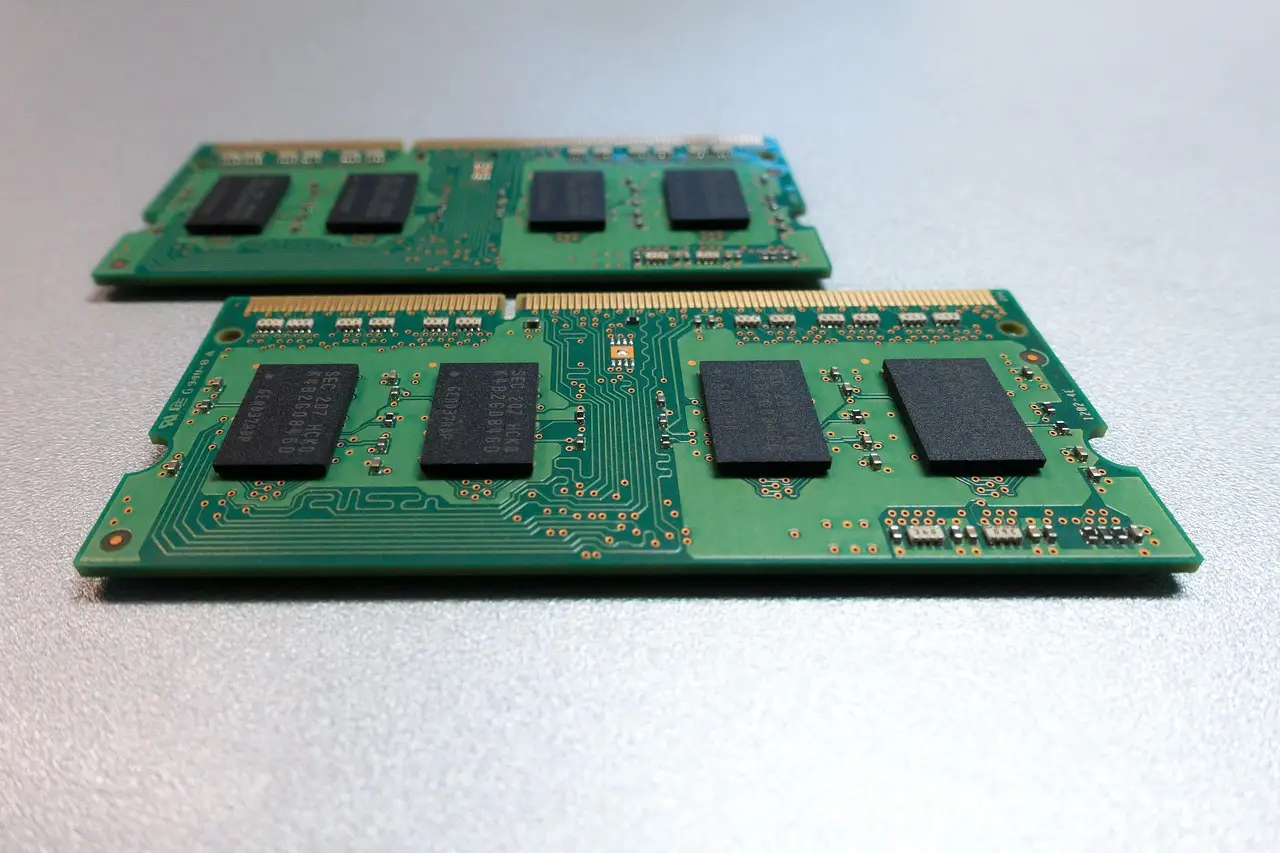
Phononic has secured $100 million in debt financing from Trinity Capital to expand manufacturing capacity for its thermoelectric cooling systems. The North Carolina-based vendor will use the facility to expand manufacturing and meet increasing customer demand, putting a nine-figure commitment behind chip-level thermal control for AI infrastructure.
What does the $100 million finance?
Trinity Capital will provide the debt facility to “support accelerated growth and manufacturing capacity expansion to meet increasing customer demand.” The stated use of the money is manufacturing scale-up, with Phononic seeking to meet rising demand for its cooling products through higher output.
The financing puts manufacturing capacity at the center of Phononic's expansion. For AI infrastructure buyers, the relevant question is whether Phononic can deliver chip-level cooling at the volumes its customers now demand.
“AI infrastructure is advancing at an unprecedented pace, and cooling has become a critical bottleneck to growth, limiting both facility capacity and compute and optical performance. Our customers are demanding disruptive thermal control solutions that can overcome these limitations at scale,” said Dr. Tony Atti, CEO and founder of Phononic.
Atti linked the facility directly to Phononic's growth plan. “Our partnership with Trinity Capital enables us to accelerate manufacturing capacity expansion to meet that demand and support the next wave of growth across AI infrastructure.”
How does the solid-state system work?
Phononic's solution uses an electric current to stimulate a temperature change in a special class of semiconductor materials known as calorics. Those materials absorb heat from IT hardware and cool down rapidly, expelling the heat elsewhere without requiring the volume of moving parts and cooling fluids used in more established methods.
The practical advantage is a cooling process with fewer moving parts and less fluid. The limit is equally clear: the technology cannot yet cool an entire data center with sufficient efficiency.
Can it cool a whole data center?
No, not with the current system. Phononic is targeting specific server parts instead, offering supplementary cooling products that can sit directly on components such as lasers and memory chips.
If deployed there, the products should, in theory, increase component performance and take pressure off the main data-center cooling system. For operators, that makes the offering a targeted supplement to facility-wide cooling rather than a wholesale replacement.
Phononic also offers a software system to manage the cooling hardware. Customers can therefore manage the physical cooling equipment through software, but that management layer does not change the stated limit on cooling an entire facility.
What does the deal mean for AI infrastructure buyers?
“As AI hardware continues to evolve, we believe precise, real-time cooling at the chip level is becoming increasingly important,” said Phil Gager, senior managing director of tech lending at Trinity Capital. “Phononic has built the thermoelectric technology and software to address that need, and we're pleased to back their team as demand for their solutions continues to build.”
The lender's thesis is that chip-level cooling will matter more as AI hardware evolves, and Phononic has combined thermoelectric technology with software to meet that need. Gager also ties continued demand to manufacturing expansion, while the $100 million supplies Phononic with the capital for that scale-up.
For buyers, the commercial test is whether targeted cooling improves component performance and can scale with demand. Phononic has not claimed it can cool an entire data center; its current products sit closer to the chip. DCD's latest Cooling Supplement examines solid-state cooling systems in more depth and is available now.
via datacenterdynamics.com (Source)
More from Elena Vasquez
Show full bio
Senior reporter covering people, launches and day-to-day practice in hardware layer of artificial intelligence at Die Signal.
770 articles
Same lot
- Yisheng Raises $14.9M to Cool AI Chips With Diamond Composites
- TSMC Capital Expenditure Forecast to Hit $98 Billion
- Broadcom Opens $60 Billion Debt Raise to Fund AI Chips for Anthropic
- SpaceX, Broadcom and Oracle All Want Billions in AI Chip Debt at the Same Time
- Samsung in Talks to Buy Modine for Data Center Cooling Push