Test report DSG-8941 · Rev F · tested October 30, 2026
AI Datacenter InfrastructureDevice under test
OpenAI seeks federal permit to fill 72 acres of wetlands for data center
OpenAI wants to fill 72 acres of wetlands at its 4.4 million sq ft Project Camelia site, drawing flooding concerns. Public comment runs until November 4.
- Read
- 2 min
- Words
- 491
- Node
- 65nm
- Operator
- Grace Kim
Spec summary
- OpenAI applied to fill 72 acres of wetlands via a US Army Corps of Engineers permit
- Project Camelia spans 4.4 million sq ft (408,773 sqm) with 3.2GW contracted from Georgia Power for 2028-2032 delivery
- OpenAI says its plan preserves 70 percent of wetlands within the project site
- Public comment on the application closes November 4
- Reports put development costs at more than $30 billion
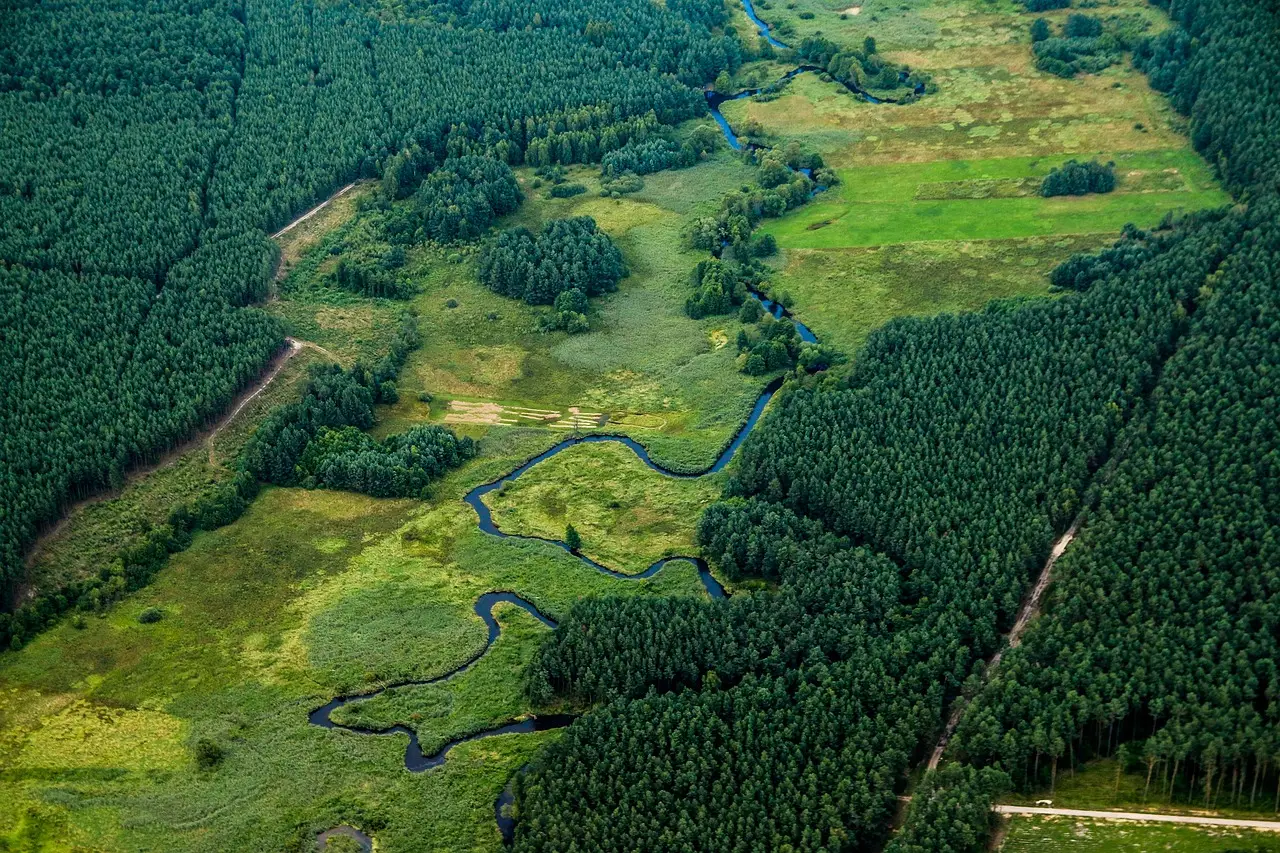
OpenAI has applied for a federal permit to fill 72 acres of wetlands for part of its data center in Effingham County, the Savannah Morning News reports. The application, filed with the United States Army Corps of Engineers, would clear the way for four large data center facilities plus related infrastructure at the Savannah Gateway Industrial Hub, a 2,600-acre campus built for industrial companies.
The permit covers only a slice of a much bigger bet. Plans for the campus first emerged in July under the codename Project Camelia, a development expected to span 4.4 million sq ft (408,773 sqm). OpenAI has contracted 3.2GW of power from Georgia Power Company, with delivery starting between 2028 and 2032. Reports at the time put potential development costs above $30 billion.
The company says it will pay the full cost of infrastructure and electric services tied to the data center. It has also committed to cutting consumption with up to 1GW of "flexible demand response" (curtailing power draw during periods of high grid demand) when the grid is strained.
Why the wetlands matter
The filing has already drawn fire from environmental groups. Their core worry: flooding. Wetlands absorb stormwater naturally; paving them over removes that buffer.
"That is a massive amount of impervious surface being added to an area that's bordered by two permanent creeks, and we know we have flooding issues off Dasher Creek," said Jeff Beauvais, an activist with the conservation nonprofit One Hundred Miles. "So for folks who are downstream, this is not going to help."
OpenAI's response is engineering-led. The company said it has hired engineers to study stormwater runoff and plans to build stormwater infrastructure matching the natural drainage capabilities of the existing wetlands and soils.
That may not settle the question. Beyond flood control, wetlands deliver several major environmental benefits, including supporting local biodiversity.
What does the permit test require?
The Clean Water Act (the federal law governing US waterways) requires developers to obtain a government permit before destroying or disturbing wetlands. Approval comes only if the site represents the "Least Environmentally Damaging Practicable Alternative" — a legal bar that forces the applicant to show no better-placed option exists.
OpenAI says its plan clears it. According to the company, the data center layout preserves 70 percent of wetlands within the project site, including a larger, contiguous strand of wetlands.
What happens next?
The application is open for public comment until November 4. One Hundred Miles is pressing OpenAI and the Army Corps to hold a public hearing where local residents can question the developers face to face.
For now, the timeline rests with the Corps. If the permit is approved, construction of the four facilities and supporting infrastructure can proceed on the filled acreage. If not, OpenAI faces a redesign — or a relocation fight — on a project already backed by 3.2GW of contracted power and a reported $30 billion budget.
via eu.savannahnow.com (Original)
More from Grace Kim
Show full bio
Market editor covering regulation, policy and their impact on hardware layer of artificial intelligence at Die Signal.
501 articles
Same lot · LOT-C204
- DSG-164565nmNvidia weighs $250bn backstop for OpenAI's 10GW Ohio data center
- DSG-560910nmIURC clears AES Indiana's $1.3bn solar-storage build for Google
- DSG-280028nmProject Jupiter's First Building Tops Out in New Mexico
- DSG-170410nmGoogle to fund 440MW solar PPA and 1.4GWh storage for West Memphis
- DSG-691128nmOpenAI, Nvidia and Microsoft Back Giant AI Data Center in Ohio