Test report DSG-6982 · Rev A · tested November 4, 2026
AI Datacenter InfrastructureDevice under test
onsemi Pays $600 Million Cash for Ferric, Raises 2030 AI Target
onsemi will pay $600 million cash, plus up to $175 million in earnouts, for voltage regulator maker Ferric and lift its 2030 AI data center target above $3 billion.
- Read
- 4 min
- Words
- 758
- Node
- 10nm
- Operator
- Priya Raman
Spec summary
- onsemi agreed to acquire Ferric, Inc. for $600 million in cash plus up to $175 million contingent on revenue milestones through end of 2029.
- onsemi raised its 2030 AI data center revenue target by $500 million to more than $3 billion, tied to the deal.
- AI data center revenue reached about $180 million in Q3 2026, more than doubling year over year.
- Ferric's integrated voltage regulators reportedly cut board area 50-70% versus discrete regulators; roughly 50 engineers will join onsemi.
- Deal closing is targeted by the end of 2026; onsemi held more than $4 billion in cash entering the quarter.
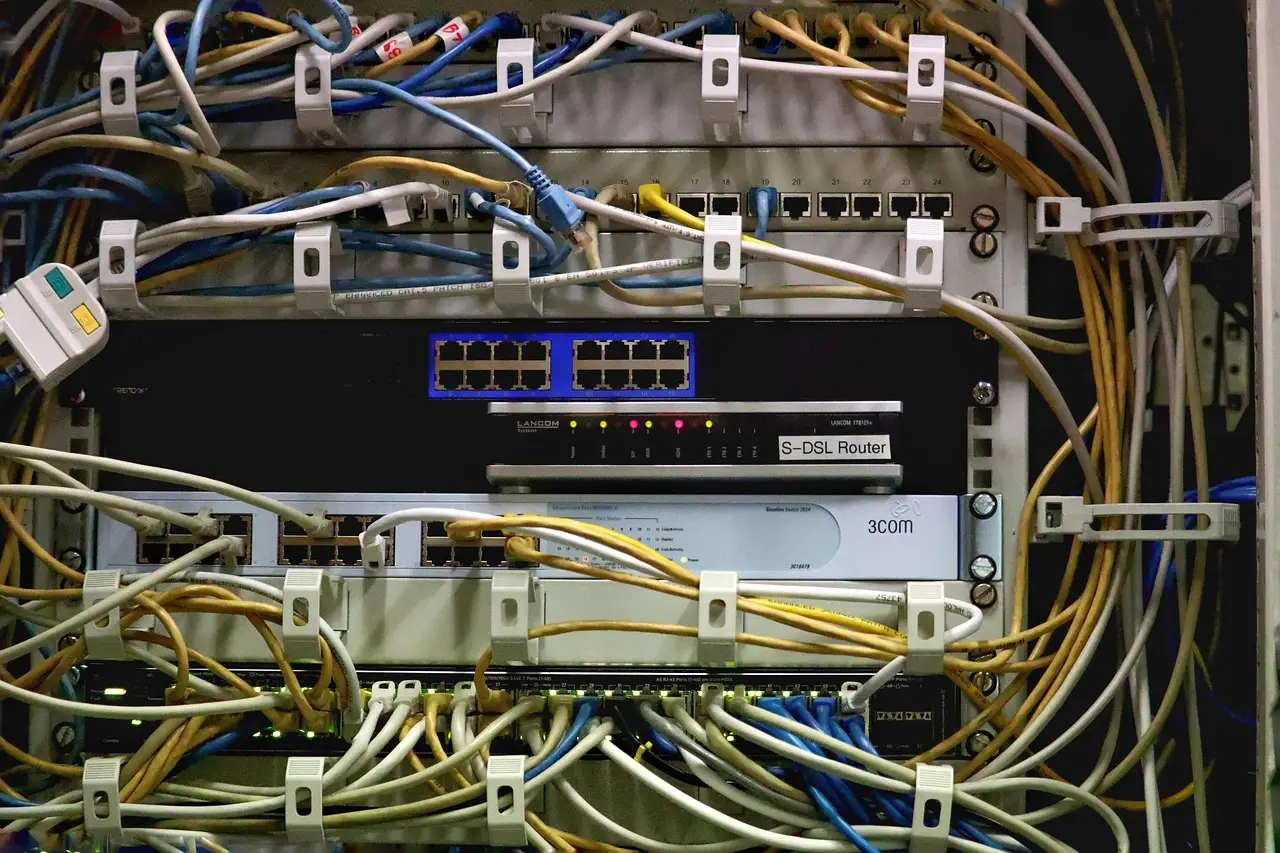
onsemi agreed to pay $600 million in cash for Ferric, Inc., a private maker of integrated voltage regulators, and raised its 2030 AI data center revenue target by $500 million to more than $3 billion on the strength of the deal. The acquisition, plus up to $175 million in contingent payments, is a bet that power delivery, not processor speed alone, becomes the next constraint in AI hardware. Closing is targeted by the end of 2026.
What does Ferric actually build?
Ferric builds integrated voltage regulators (IVRs): controllers, switches, inductors, and capacitors packed into a thin package that sits closer to the processor than discrete parts mounted on the circuit board. Proximity matters. AI accelerators swing power demand hard and fast; the farther voltage conversion sits from the chip, the more energy dissipates through resistance and the slower the system responds to load spikes.
onsemi claims Ferric's architecture cuts board area by roughly 50% to 70% compared with conventional discrete regulators while delivering more usable power to compute. More than 40 patents and a decade of development stand behind that claim. The company did not publish independent validation. Roughly 50 Ferric engineers in New York and Silicon Valley are expected to join onsemi.
Why did onsemi pay cash now?
The deal fits a deliberate strategy. onsemi already sells power silicon from the grid edge into the data center; Ferric supplies the final inches of the conversion path. Management calls the combined chain "grid to core" — ownership of the full power stack that hyperscalers and server OEMs must design around as each GPU generation draws more watts.
CEO Hassane El-Khoury framed the logic simply: processors keep getting hungrier, power has to move closer to the die, and whoever owns efficient conversion at the package and board edge holds a seat that is hard to dislodge once designed in.
The financial structure limits exposure. onsemi held more than $4 billion in cash entering the quarter, so the $600 million upfront payment is meaningful, not existential. The $175 million earnout pays only if Ferric product and license revenue clears a threshold over four consecutive quarters by the end of 2029. Sellers can collect as much as $775 million in total. If milestones miss, the buyer keeps the risk on the contingent piece.
What do the numbers show today?
AI data center revenue at onsemi reached about $180 million in the third quarter of 2026. That remains a small slice of total revenue, but it is the segment investors watch. The segment more than doubled year over year in the quarter, and management expects it to double again in 2027. The company reported a solid third quarter and guided the fourth quarter higher; the stock still faced the familiar debate over whether the results were already priced in.
The new $3 billion 2030 target represents a $500 million increase from the prior plan, and management tied that raise directly to the Ferric acquisition. A 2030 target is a long horizon. Several AI infrastructure promises have aged poorly between the investor slide and the purchase order.
What are the risks the announcement does not resolve?
Ferric is private. There is no long public revenue history for investors to model, which makes the earnout threshold difficult to assess from outside. Integration risk remains real. Package-level power is sticky when it wins a socket and invisible when it loses one — onsemi disclosed no named design wins with specific accelerator platforms in the announcement.
Competition is also present. Every major power and analog vendor wants a position next to the GPU. onsemi's differentiator is breadth, from facility power down to the core, plus a cash acquisition that puts roughly 50 engineers on the payroll rather than relying on a loose partnership announcement. Power semiconductor names still trade substantially on automotive and industrial cycles, not only on AI growth.
What should investors watch?
Three checkpoints will test the thesis:
- Whether AI data center revenue keeps compounding on the existing base while the Ferric deal is still closing.
- Whether named design wins place IVRs next to a major accelerator platform.
- Whether gross margin and long-term growth targets hold once the acquisition enters the financial model.
A quiet integration with rising AI power sales would confirm the thesis. An earnout miss combined with flat AI growth would undercut it. The decisive evidence is design-in, not the press release: if Ferric sockets appear next to production AI silicon, the $600 million looks cheap. If they do not, the deal becomes an expensive research project.
via Google News: AI chip (Source)
More from Priya Raman
Show full bio
Correspondent covering money, funding and market shifts around hardware layer of artificial intelligence at Die Signal.
573 articles
Same lot · LOT-360B
- DSG-45545nmMorgan Stanley: AI power crunch strains chip supply chain
- DSG-11745nmAmazon's Chip Business Passes $25bn as Custom Silicon Race Accelerates
- DSG-680514nmSEMIFIVE Signs $52M AI Chip Development Deal with US Company
- DSG-880714nmBroadcom Reportedly Secures $60 Billion in AI Chip Financing
- DSG-52867nmBlackRock and Nvidia Back $40 Billion AI Data Center Consortium