Test report · tested November 24, 2026
Memory & StorageDevice under test
Nvidia HBM Share Seen Falling From 60% to 41% in UBS Forecast
UBS sees Nvidia's HBM demand share falling 60% to 41% as Huang's return after 11 days eases Samsung and SK hynix concerns. The $500bn SK Group framework still lacks final terms.
- Read
- 5 min
- Words
- 903
- Segment
- Memory & Storage
- Operator
- Amara Osei
Spec summary
- UBS forecasts Nvidia's share of global HBM demand falls from 60% this year to 41% next year
- Jensen Huang returned as Nvidia CEO 11 days after resigning, easing Samsung and SK hynix partnership concerns
- Nvidia's SK Group cooperation framework is valued above $500 billion with terms not finalized
- Google's HBM share is forecast to rise from 18% to 30%, AMD's from 7% to 13%
- Nvidia's $1 billion equity investment in NAVER is completed, with funds arrived
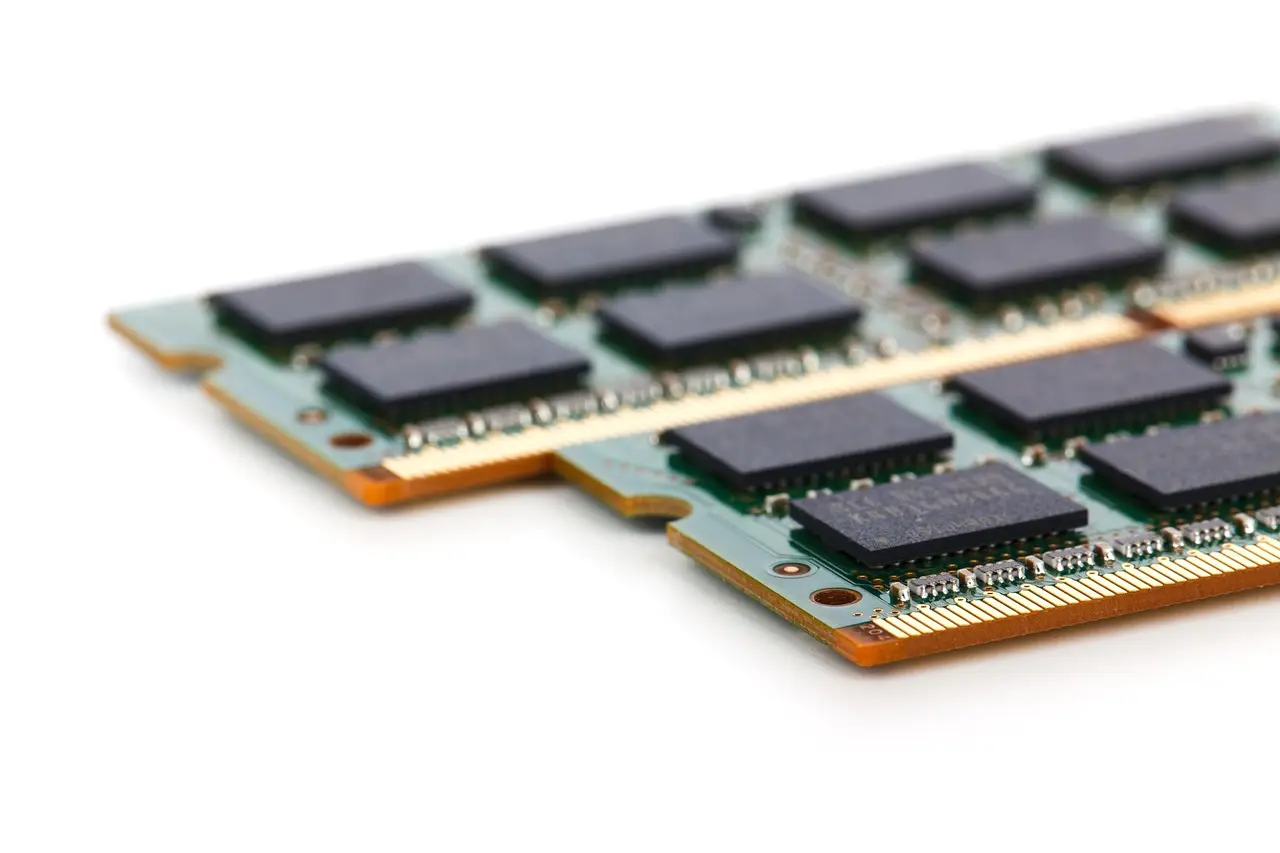
UBS forecasts Nvidia's share of global HBM demand to fall from 60% this year to 41% next year — a 19-point drop that landed in the market the same week Jensen Huang returned as the company's CEO, 11 days after his resignation. As of November 24, 2026, reports from Money Today, The New York Times, The Washington Post, Fortune, TradingView and Digital Today agree that Huang's reinstatement eased concerns at Samsung Electronics and SK hynix about their HBM partnerships with Nvidia. They also agree the worry is eased, not eliminated.
The relief is partial because three numbers pull in different directions: the Feynman GPU generation is scheduled for 2028; UBS puts the 19-point share decline at Nvidia; and Nvidia's cooperation framework with SK Group is valued at more than $500 billion with terms and final amount still unsettled.
One caution runs through the reporting. No outlet carries an on-record quote from Huang, Nvidia, Samsung or SK hynix, and none describes changes to production plans, investment totals, customer allocations or pricing.
What does the 11-day gap change for memory suppliers?
Huang resigned, Nvidia operated 11 days without him, then reinstated him. Korean memory names and the broader AI trade repriced around that sequence; short sellers lost $12.2 billion in a day, according to Ortex data cited in related coverage, and Nvidia added roughly $900 billion in market value.
The Korean angle is about exposure. Nvidia's accelerators need HBM stacked beside the processor, so every GPU shipped pulls a memory order behind it. A missing chief executive raises the question suppliers care about: who steers the roadmap, and will the orders hold? Huang's return restores a single known decision-maker. It does not confirm a single order.
Memory suppliers do not invest on sentiment. They invest against signed volumes, qualification schedules and customer roadmaps. None of those changed, per the reports. The 11-day figure is itself a governance data point: for a company at the center of AI infrastructure spending, a brief leadership gap still registered across equity markets and supplier credit commentary.
Why does Feynman's 2028 timeline pressure Samsung and SK hynix?
HBM is a stacked, co-designed part, not commodity DRAM that can redirect to another buyer. The reports state the dependency plainly: Feynman's 2028 launch requires HBM development and equipment investment to come before the launch schedule and specifications are final. Samsung and SK hynix must commit money to process development and tooling before they know every detail of the product their memory will sit beside.
A supplier that waits for certainty ends up late. A supplier that moves early carries risk if the customer's plans shift. If the person who sets the Feynman direction is out, the specs memory makers are investing ahead of become less certain.
Who gains the share Nvidia loses?
Per the UBS forecast:
- Google: 18% to 30% of HBM demand share, a 12-point gain
- AMD: 7% to 13%, a 6-point gain
- Nvidia: 60% to 41%, down 19 points
The three named buyers combined hold roughly 85% of demand this year and 84% next year, so the shift is a reshuffle among existing buyers, not a wave of new entrants. This is a share-of-demand forecast, not a volume forecast — it does not by itself say Nvidia will buy less memory. For a memory maker, it changes who it negotiates with more than how much it sells. It also means a leadership scare at Nvidia next year threatens a smaller slice of the memory market than it would this year.
The reports do not say which Korean company wins which customer. What they establish is the direction: demand is spreading.
Is the $500 billion SK Group framework a commitment?
Nvidia's long-term cooperation framework with SK Group is valued above $500 billion, with specific terms and amount not finalized. SK hynix is an SK Group affiliate, but the reports do not break down how much of the figure involves memory. An unfinished framework is exactly what a leadership gap puts at risk: a deal still being negotiated depends on the negotiators. Huang's return keeps them in place. It does not turn the framework into a signed contract.
Separately, Nvidia's $1 billion equity investment in NAVER is complete and the funds have arrived — a closed transaction, though the reports do not tie it to HBM purchases.
What remains unconfirmed?
- Changes to Samsung or SK hynix HBM production, capex, allocations or pricing: no such change reported
- Any guarantee of continued HBM demand from Huang's return: no outlet claims it with evidence
- Direct on-record quotes from the four companies: none verified; reports paraphrase
What happens next?
Analysis, not reported fact: HBM investment talk likely stays cautious but continuous given Feynman's 2028 date; the SK Group framework likely firms up incrementally rather than in one signing; customer diversification should surface in earnings commentary through 2027; a 19-point forecast swing will likely be revised as order data arrives; and governance continuity becomes a standard supplier risk checklist item.
Four indicators will tell readers whether the relief holds: finalized SK Group framework terms, capex guidance from both memory makers, disclosed Google or AMD HBM supply relationships, and further Feynman specification detail. Until then, the honest reading is narrow. The return buys certainty about who decides. It does not buy orders.
via shattered.io (Source)
More from Amara Osei
Show full bio
Staff writer covering money, funding and market shifts around hardware layer of artificial intelligence at Die Signal.
793 articles
Same lot
- Big Tech Reported Moving Off Nvidia Chips — Opening for Samsung, SK hynix
- Nvidia Falls 24% in Two Weeks as AMD and Broadcom Gain on CEO Exit
- Samsung Memory Margins Eclipse Nvidia's, Seoul Daily Reports
- Samsung, SK Hynix Price Targets Cut Up to 43% on 2028 Memory Glut
- Hanwha sees GPU shortage lasting through Nvidia’s fiscal 2028