Test report · tested November 24, 2026
Memory & StorageDevice under test
JEDEC Previews DDR6: 12.8 GT/s Start, 50% More Bandwidth, No Ship Date
JEDEC's November 18 preview sets DDR6 RDIMMs at 12.8 GT/s on a 96 DQ bus with over 50% more bandwidth than DDR5 — but no product, price or platform exists. DDR5 keeps winning by default.
- Read
- 4 min
- Words
- 776
- Segment
- Memory & Storage
- Operator
- Elena Vasquez
Spec summary
- JEDEC previewed DDR6 on November 18, 2026: 12.8 GT/s starting data rate vs DDR5's 9.2 GT/s cited ceiling, with a 96 DQ bus vs 64 DQ.
- JEDEC targets more than 50% higher bandwidth than DDR5 at introduction; no launch date, module name or price was published.
- DDR5 MRDIMM Gen2 designs already target 12,800 MT/s — the same figure DDR6 uses as its launch speed.
- SK hynix reports the memory shortage persists through 2030, with long-term agreements covering over 50% of 2027-2028 capacity.
- Micron's fiscal 2026 revenue reached $133.19 billion vs $37.38 billion the prior year; fiscal Q1 results land December 17, 2026.
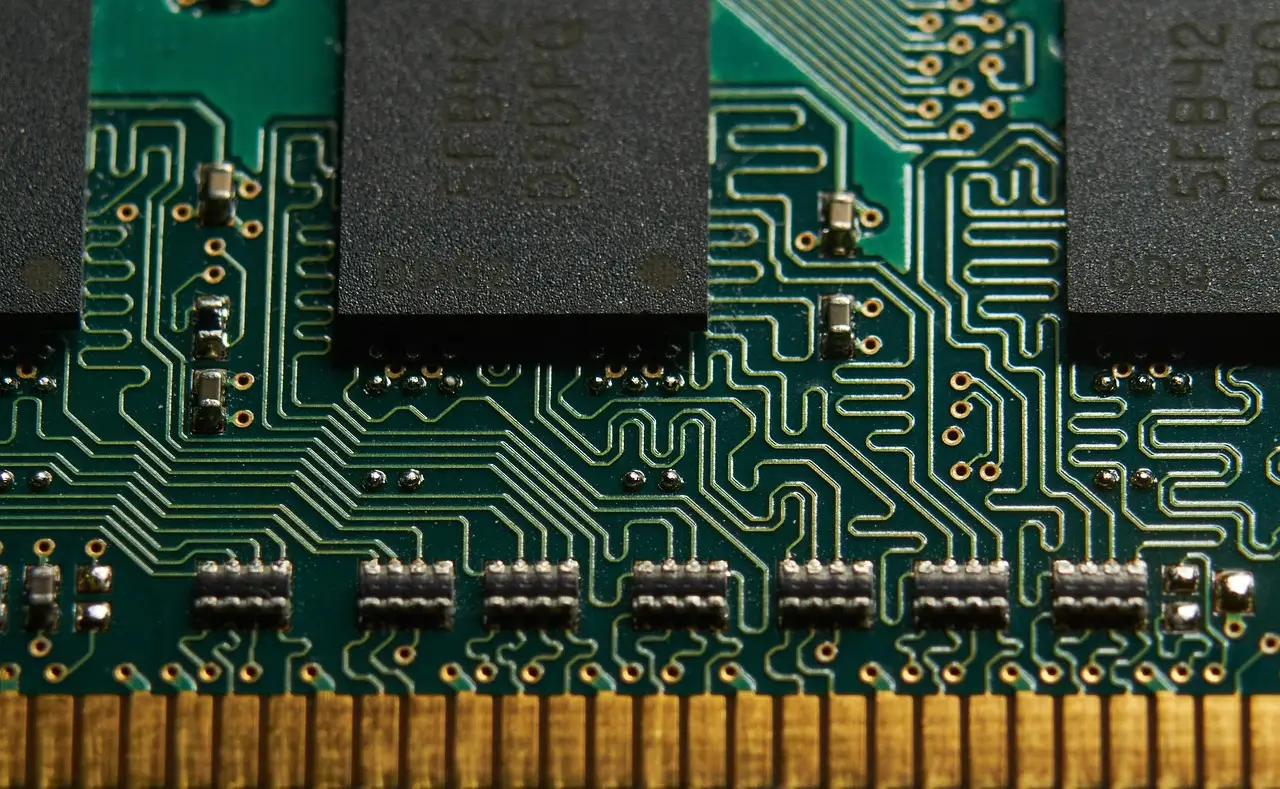
JEDEC published its DDR6 preview on November 18, 2026, and the headline numbers are firm: RDIMMs start at 12.8 GT/s against the 9.2 GT/s ceiling JEDEC cites for DDR5, on a data bus that grows from 64 to 96 DQ. The official target is more than 50% higher bandwidth than DDR5 at introduction. What the preview does not carry is a launch date, a module name or a price.
As of November 24, 2026, no DDR6 module, platform or processor support has been confirmed by JEDEC, Samsung, SK hynix or Micron. JEDEC states plainly that the preview is not a final specification and features can change before approval. DDR5 remains the only released mainstream generation, running on core standard JESD79-5D, published in November 2025.
What does the preview actually change?
The preview sits early in a long process. JEDEC's JC-42 solid-state memory committee publishes previews to give controller designers, module makers and board vendors a common target while details settle. Vendors then build test silicon, fix what breaks and push changes back into the draft. Retail products follow only after the final standard, which is why a November preview says almost nothing about when a DDR6 kit lands in a store.
The structural targets explain how DDR6 reaches its speeds. The preview specifies a pseudo-channel architecture, an increased bank count and VSS-terminated I/O. Die density doubles to 128 Gb against the 64 Gb ceiling cited for DDR5. Module length drops to roughly 74 mm from about 133 mm, a 44% reduction in Tom's Hardware's rounding, and three form factors are in development: RDIMM, UDIMM and CAMM.
A 74 mm module cannot fit a 133 mm slot, and the 96 DQ bus differs electrically from DDR5's 64 DQ. JEDEC has published no backward-compatibility plan, so expect DDR6 to require new motherboards and new processors with new memory controllers. Processor vendors have said nothing public about DDR6 support.
Whose bandwidth numbers should you trust?
Five outlets published figures after November 18, and they don't agree on a single multiple. JEDEC claims more than 50% higher bandwidth at introduction. TrendForce repeats that target. Tom's Hardware headlines a 4x figure against DDR5's baseline. ServeTheHome cites 2.35x as a raw peak calculation. Wevolver documents where gains could come from.
No modules, memory controllers or platforms exist outside design labs, so every performance number is a calculation from preview targets, not a measurement. JEDEC's figure is the floor. The 4x headline depends entirely on which DDR5 baseline you pick, since DDR5 launched far below the 9.2 GT/s ceiling.
There's also a trap in comparing 12.8 GT/s with 9.2 GT/s. That sets a launch-day target against a mature ceiling, and most DDR5 desktops run well below it. JEDEC's own April 30, 2026 update said DDR5 MRDIMM Gen2 raw-card designs target 12,800 MT/s — the same figure as DDR6's launch speed.
Why DDR5 keeps moving
DDR5 absorbed real work in 2026. JEDEC published JESD323B version 2 for CUDIMM and CQDIMM modules in February, JESD305B.01 version 3.00 for RDIMMs in April, and the JESD82-552 data-buffer standard with MRDIMM Gen2 work on April 30. Micron began sampling the industry's first 512GB DDR5 RDIMM at up to 9,200 MT/s on September 30. Samsung's 512GB DDR5 RDIMM on 32Gb DRAM earned CES 2027 Innovation Awards recognition, and SK hynix showed 256GB, 128GB and 96GB server modules at Supercomputing 2026 on November 20.
Supply logic explains the pace. SK hynix reported third-quarter revenue of 104.6155 trillion won, and its outlook states the memory shortage persists through 2030, with long-term agreements covering more than 50% of its 2027-2028 capacity. Micron's fiscal Q4, ended September 3, 2026, brought $54.23 billion in revenue against $11.32 billion a year earlier, with full-year revenue of $133.19 billion versus $37.38 billion. It reports fiscal Q1 results on December 17, 2026.
What's a practitioner to do?
DDR5 wins on every count a buyer can verify: availability, price visibility, platform support and measured speed. DDR6's case rests on credible but unbuilt targets. A May 2026 report said Samsung, SK hynix and Micron had asked substrate suppliers to begin preliminary development, but that's industry-source reporting, not a product plan.
Watch for four signals before planning around DDR6: a final JEDEC standard, a named product with a date, confirmed processor support and retail pricing. Until all four appear, any DDR6 build is a thought experiment.
via shattered.io (Source)
More from Elena Vasquez
Show full bio
Senior reporter covering people, launches and day-to-day practice in hardware layer of artificial intelligence at Die Signal.
770 articles
Same lot
- JEDEC DDR6 Preview: 2.35x Bandwidth, 96-bit Bus, 44% Narrower DIMMs
- HBM4 contract prices to nearly triple in 2027: DIGITIMES report
- SK Hynix begins testing HBM5 with TSMC as HBM4 enters Nvidia's next platform
- CXMT Claims Denser DRAM, Targets Server DDR5 Launch
- Samsung AI Chip Prices May Double by 2027, Morningstar Says