Test report DSG-7728 · Rev E · tested November 16, 2026
Processors & AcceleratorsDevice under test
Nvidia Down 30% From Peak as $2 Trillion Evaporates Before Earnings
Nvidia sits roughly 30% below its October 6 high with almost $2 trillion in market value gone. Tuesday's report is the market's referendum on AI spending. The rest is unconfirmed.
- Read
- 5 min
- Words
- 995
- Node
- 7nm
- Operator
- Priya Raman
Spec summary
- Nvidia traded roughly 30% below its October 6, 2026 high as of November 13, erasing almost $2 trillion in market value.
- Nvidia reports earnings Tuesday, November 17, 2026; Anthropic's IPO is scheduled the same week.
- CoreWeave shares jumped 16% premarket from an 18-month low after strong earnings.
- Nvidia represented nearly 8% of the S&P 500 before the slide, per Reuters.
- Reuters reported a $430 billion two-session loss and a 2.4% rebound on November 11.
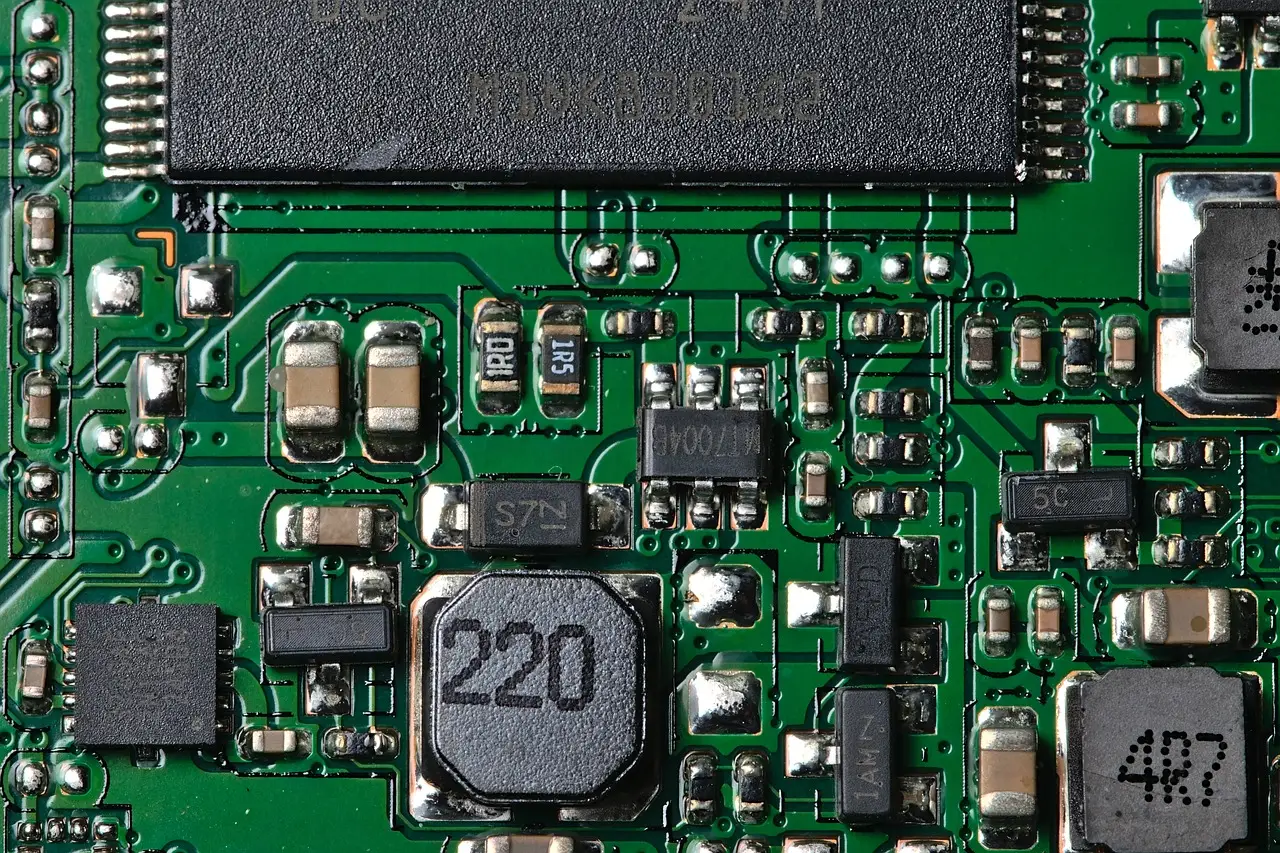
Nvidia has lost almost $2 trillion in market value in a little over a month. Reuters, reporting on November 13, put the stock roughly 30% below its October 6 high and down about 7% since the prior Monday. The chipmaker reports earnings on Tuesday, November 17, and traders spent Monday's session positioning for it. The selloff never fully reversed after October; it merely paused.
The confirmed numbers tell the story. Nvidia shed about $430 billion in market value over two sessions, then gained 2.4% on November 11, per Reuters and Yahoo Finance. That bounce did not hold. By week's end the stock had lost roughly 7% and sat far under its peak. Before the slide, Nvidia represented nearly 8% of the S&P 500, a weight that turns one earnings call into a macro event for index funds and retirement accounts alike.
What is confirmed and what is not?
Reports describe the direction of Monday's selling, but exact closing prices for Nvidia, the Nasdaq, or AI-focused funds were not verified at the time of writing. This article uses confirmed figures through November 13. Anyone quoting precise Monday levels or earnings estimates is working from unverifiable sources.
The decline has no single cause. Coverage cites the approaching earnings report, a hotter U.S. inflation print, an internal investigation connected to CEO Jensen Huang, complications around an Ohio data center, and a crowded IPO calendar. No outlet attributes the fall solely to the report, and none should.
Why does one earnings report carry this weight?
Nvidia sells the accelerators (the chips that power AI training) that cloud providers and AI labs buy from capital budgets. Strong order signals support the thesis that heavy AI spending continues. A hint of digestion triggers repricing across memory suppliers, server builders, and data center developers. No revenue estimate, guidance range, or product announcement has been confirmed for the November 17 report. Investors will listen for commentary on demand durability, customer concentration, and capital spending plans, because those determine whether the 30% drawdown is justified.
CoreWeave's 16% jump and its limits
CoreWeave (an AI cloud provider that rents GPU capacity) reported strong earnings. Its shares rose 16% in U.S. premarket trading after touching an 18-month low, according to Reuters and Yahoo Finance. The result briefly lifted technology shares. The relief faded within days. The selloff resumed, which suggests investors treat CoreWeave's numbers as one data point, not a verdict. A share price at an 18-month low before the report shows how skeptical the market had become about the financing behind AI demand.
What role do rates and the Fed play?
A U.S. inflation report raised expectations that the Federal Reserve could raise interest rates again the following month. Higher rates cut the present value of profits expected years out, and AI valuations lean on those far-off profits. Data center developers borrow heavily to build capacity. Higher-for-longer rates raise their costs and can slow chip orders. No market-implied rate probability for November 16 has been verified, so none is quoted here.
What is known about the Huang investigation?
Nvidia retained lawyers for an internal investigation connected to its CEO, per market reports. Reuters' November 9 markets wrap noted the probe weighed on the stock from the start of the month. Reports establish no findings, no timetable, and no legal outcome. No conclusion should be drawn from the probe's existence alone. The Ohio data center complication is a separate thread with thin published detail.
How does Anthropic's IPO fit?
Reuters reported Anthropic, a major buyer of AI computing power, scheduled its IPO for the same week as Nvidia's earnings. The timing forces investors to weigh two large AI exposures at once with limited capital. No pricing, valuation, or share count has been verified. Each event colors the other: Nvidia's guidance signals whether buyers like Anthropic keep ordering; the IPO's reception signals whether investors believe model developers can monetize spending.
What are investors saying?
Ware, whose firm owns Nvidia, told market reporters: "We're probably gonna have record earnings again next year unless we see a recession or a massive pivoting on AI capex, and I don't expect either one." That bull case rests on two conditions holding.
Huang addressed the bubble debate at last year's earnings call, per CNBC on November 19, 2025: "There's been a lot of talk about an AI bubble. From our vantage point we see something very different." Twelve months later, the stock sits far below its peak and the question has returned. Wired's coverage of the third-quarter fiscal 2026 earnings carried his broader claim: "All industries, across every phase of AI, across all of the diverse computing needs in a cloud, and also from cloud to enterprise to robots, will need Nvidia's products." Those remarks are a year old. Treat them as the baseline for Tuesday, not new guidance.
Unconfirmed claims
- Nvidia reports November 17: confirmed, Reuters.
- Stock about 30% below the October 6 high: confirmed, Reuters, November 13.
- Anthropic IPO same week: confirmed, Reuters and The Information.
- Internal investigation tied to the CEO: existence confirmed; no findings published.
- Revenue or guidance figures for the report: unconfirmed.
- Selloff caused solely by earnings date: unconfirmed.
- Anthropic IPO price and valuation: unverified.
- Verified November 16 closing prices: not available.
What could Tuesday's report change?
A strong report could spark a rebound, as CoreWeave's briefly did, and give the Anthropic IPO a friendlier market. A cautious tone on orders or customer spending could extend the decline. Some bad news is priced in after a 30% drop, but the market has shown it punishes uncertainty. The rate backdrop will blunt or amplify either outcome. A 30% drop does not prove a bubble, and a record quarter does not disprove one. The market is repricing uncertainty, and Tuesday is the next input, not the final word.
via shattered.io (Source)
More from Priya Raman
Show full bio
Correspondent covering money, funding and market shifts around hardware layer of artificial intelligence at Die Signal.
661 articles
Same lot · LOT-362C
- DSG-52063nmNvidia Wipes Out $913 Billion in Five Sessions, Worst Run Since 2022
- DSG-698714nmAnthropic's $64.4B IPO Meets Nvidia's 24% Slide in One 48-Hour Test
- DSG-27167nmTrump's Nvidia Stake Reached Up to $62 Million by August
- DSG-760965nmNvidia's $1.7 Trillion Slump: What Huang's Exit and a China Ban Would Cost
- DSG-717814nmNvidia Trades Near 52-Week Low Despite Model Targeting 29% Upside