Test report DSG-7932 · Rev C · tested November 13, 2026
Supply Chain & PolicyDevice under test
Nvidia CEO Exit Leaves US-China Chip Policy Without Its Anchor
Jensen Huang resigned from Nvidia on November 12, 2026, leaving a $4 trillion company, an H200 tariff deal, a Blackwell ban and a seven-country export rule unresolved.
- Read
- 4 min
- Words
- 701
- Node
- 65nm
- Operator
- Priya Raman
Spec summary
- Jensen Huang resigned as Nvidia president, CEO and board member on November 12, 2026.
- H200 sales to China permitted December 2025 with a 25% U.S. tariff; B200 and B300 remain blocked.
- Commerce reportedly drafts a remote-access rule covering seven countries, not yet announced.
- Chinese AI projects reliant on Nvidia technology estimated at $3 billion.
- Nvidia's next earnings call is set for November 17, with a $108 billion guidance figure flagged.
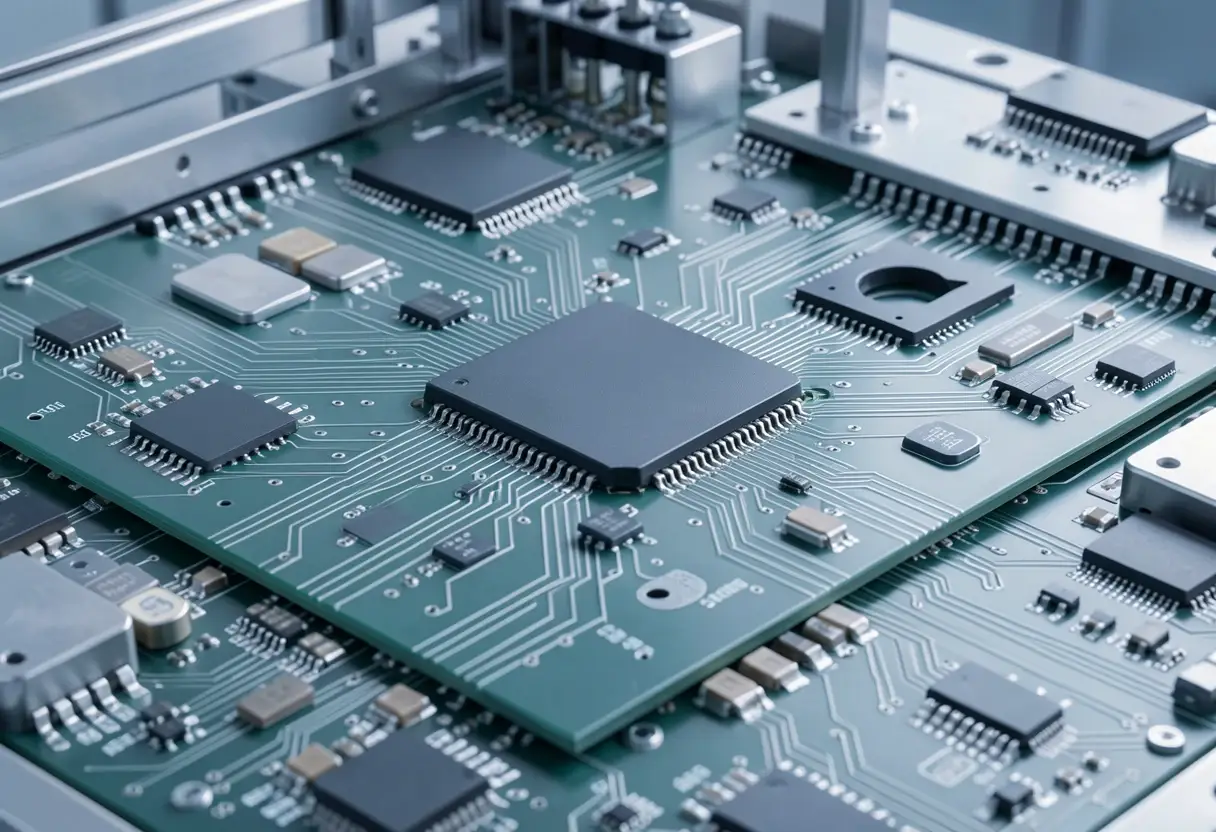
Jensen Huang resigned as Nvidia's president, chief executive officer and board member on November 12, 2026, according to reports from Reuters, Bloomberg and The Washington Post. The resignation was immediate. No transition plan was announced. Colette Kress, executive vice president and chief financial officer, became interim CEO.
Huang co-founded Nvidia in 1993 and led it to a reported $4 trillion valuation. Nothing in the verified reporting says he left because of chip policy, and the claim that his exit sets up a US-China showdown remains unconfirmed. What the reports do establish is narrower. A permitted H200 channel to China exists, Blackwell chips stay blocked, Congress wants tighter limits, and the Commerce Department is drafting a rule on remote chip access through overseas data centers.
What is actually on the books?
The Trump administration reportedly permitted H200 sales to China in December 2025. A 25% U.S. tariff applies to permitted exports. That structure turns an export license into a Treasury revenue stream, which is unusual in a field where controls have usually meant a flat ban or a flat allowance.
The arrangement rests on a presidential decision, not a statute. It can shift as quickly as it arrived. Commerce Secretary Lutnick reportedly stalled a third crackdown, an administration not speaking with one voice.
The B200 and B300 are not legally exportable to China. That draws a hard line through Nvidia's stack: the H200 ships with a surcharge; the newer Blackwell parts do not ship at all. Chinese buyers can purchase last-generation capability or seek rented access abroad — exactly the gap the Commerce rule reportedly targets.
What did Congress and Trump say?
House Speaker Mike Johnson said there was a "growing consensus" in Congress to limit chip exports to China. Sen. Jack Reed said: "American semiconductor technology is essential to our military capabilities and our technological advantage over China." The statements come from opposite sides of the aisle. Neither names Huang's exit as a cause. Lawmakers are using the moment, not explaining it.
President Donald Trump called Huang's situation a "horrible thing" and "so sad to see." Those words express sympathy for a person, not a position on exports. Nothing in the reporting says the White House plans to reverse or widen the H200 permission.
Which seven countries face new controls?
The reported Commerce rule addresses Chinese AI firms renting advanced chips through overseas data centers. Seven countries could be added to semiconductor controls:
- Singapore
- Malaysia
- Thailand
- Indonesia
- Brazil
- Norway
- South Africa
The rule and the list are not yet announced. The list spans four continents, which suggests the department is thinking about where compute can be rented, not only where chips are made. A chip ban stops hardware crossing a border. It does not stop a developer from renting GPU time in another country.
Reports also put Chinese AI projects reliant on Nvidia technology at an estimated $3 billion. Treat that figure with caution; the reports do not break it down by customer, chip or country.
What is confirmed and what is not?
- Reported: Huang resigned November 12, 2026; Kress became interim CEO.
- Reported: H200 permitted December 2025 with a 25% tariff; B200 and B300 blocked.
- Reported: Commerce is preparing a remote-access rule; seven countries could be added. Neither is announced.
- Unconfirmed: That the resignation sets up a US-China showdown.
- Unconfirmed: That Huang resigned over chip policy.
- Unconfirmed: Spy-related claims, described in reports as suspicions rather than court findings.
What happens on November 17?
Nvidia's next earnings call, set for November 17, doubles as Kress's first public test. Analysts flagged a $108 billion guidance figure as the headline number. Expect three questions: how much of the guide assumes H200 shipments to China, what happens if the remote-access rule lands, and who is negotiating with Washington while the CEO seat sits with an interim holder.
A cautious answer is the base case. The tariff arrangement gives Nvidia a reason to stay quiet; any lobbying against tighter rules could draw the congressional attention Johnson and Reed signaled.
No price target is offered here. The sources do not support one. Past price swings around this story came from headlines, not fundamentals.
via shattered.io (Source)
More from Priya Raman
Show full bio
Correspondent covering money, funding and market shifts around hardware layer of artificial intelligence at Die Signal.
573 articles
Same lot · LOT-3629
- DSG-855165nmNvidia faces China spy allegation as H200 sales stay below 1%
- DSG-83433nmHuang Resigns From NVIDIA After 33 Years: What Changes for AI Compute
- DSG-122528nm600,000 Nvidia H200 chips await mainland approval in Hong Kong
- DSG-211714nmNvidia Board Probes Huang as China Chip Sales Near $8 Billion
- DSG-444620nmSenate summons Lutnick and Huang over Nvidia chip leak questions