Test report DSG-8343 · Rev D · tested November 14, 2026
Processors & AcceleratorsDevice under test
Huang Resigns From NVIDIA After 33 Years: What Changes for AI Compute
Jensen Huang resigned as NVIDIA CEO on November 12, 2026 after 33 years. Colette Kress is interim chief. No lab, roadmap or supply change is confirmed.
- Read
- 3 min
- Words
- 683
- Node
- 3nm
- Operator
- Priya Raman
Spec summary
- Jensen Huang resigned as NVIDIA President, CEO and board member on November 12, 2026, ending a 33-year run since co-founding the company in 1993.
- CFO Colette Kress, who joined NVIDIA in 2013, is interim CEO while keeping her CFO role.
- The board opened an independent investigation; no findings have been published.
- Allegations involving Alice Huang, Kimberly Powell and Megaspeed International chip smuggling remain unconfirmed; Beijing denied the intelligence claim.
- No named AI lab or cloud customer has reported any change to GPU deliveries, purchases or training compute.
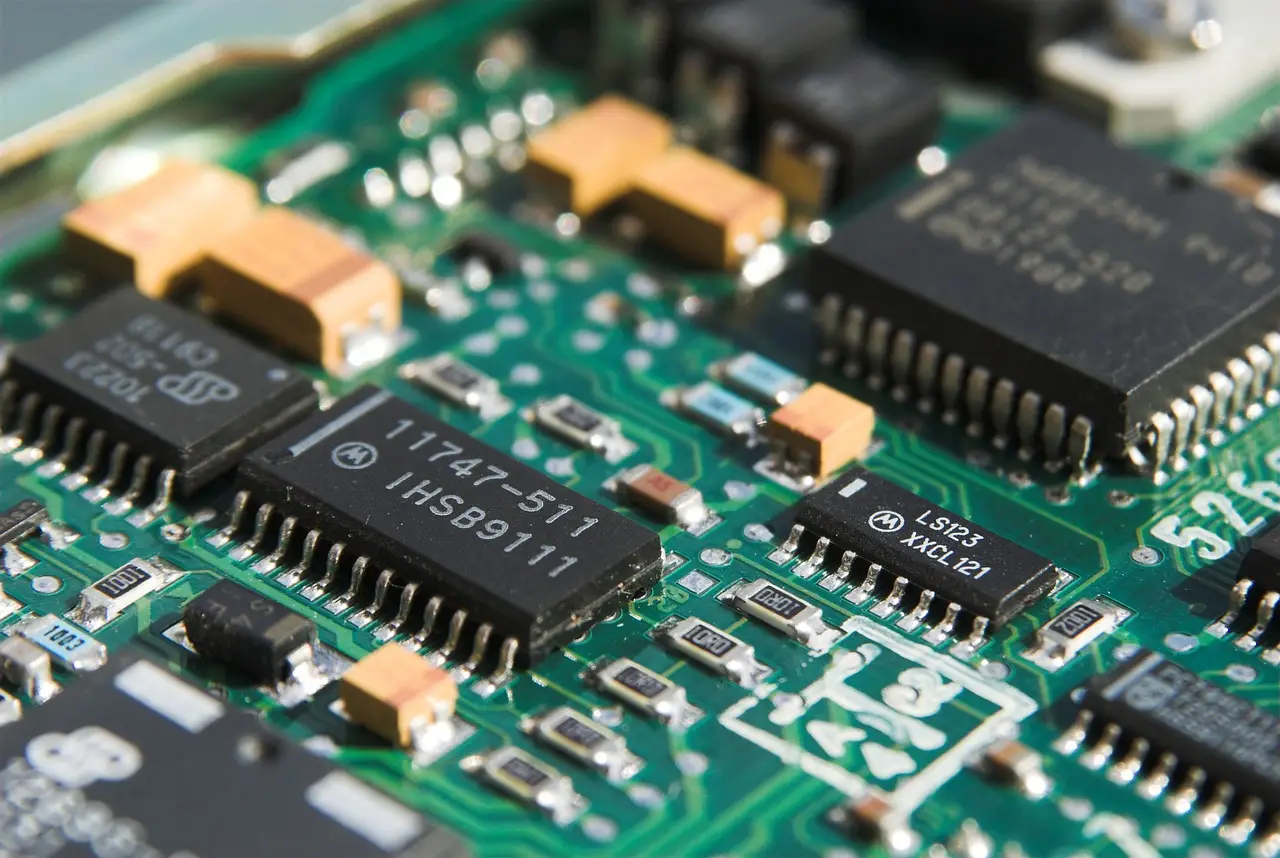
NVIDIA announced on November 12, 2026 that Jensen Huang resigned as President, Chief Executive Officer and board member, effective immediately. The exit ends a 33-year run that began when Huang co-founded the company in 1993. Colette Kress, Executive Vice President and Chief Financial Officer, took over as interim CEO while retaining her CFO role. For AI labs, zero has changed so far in compute supply, and every dramatic claim remains unconfirmed.
What is confirmed, and what is not?
The confirmed record is short. The board announced the resignation, named Kress interim chief and opened an independent investigation, all on November 12. No transition period was disclosed. NVIDIA tied the probe to reporting that Huang had been the target of a foreign-intelligence effort, not to any finding. None has been published.
The unconfirmed list is longer:
- Reports allege Huang had an extramarital relationship with Alice Huang, a businesswoman U.S. officials reportedly suspected of working for Chinese intelligence. Beijing denied it.
- Separate reports link Megaspeed International, a Singapore-based data-center company, to Alice Huang and allege export-restricted NVIDIA chips were smuggled to China. No chip quantities or product specifications appear in the reporting.
- Reports also allege relationships involving Kimberly Powell, identified as NVIDIA's vice president of healthcare, and an unnamed NVIDIA employee. Both stay unconfirmed.
- The claim that the exit will "rock the world" is opinion, not evidence.
AP described the departure as following an affair that raised national security concerns. No court ruling, charge or legal finding exists in any report reviewed. Huang has issued no on-record statement.
Does a CFO at the top change the GPU roadmap?
Kress joined NVIDIA in 2013 and has run its finances since. Nothing in the coverage says she plans to change the GPU roadmap, supply commitments or accelerator production. Contracts signed before November 12 still ship. A finance chief at the top signals continuity, not reinvention, though an interim leader who also signs the financial statements has limited bandwidth for product launches, customer meetings, regulatory talks and a board probe all at once.
Yahoo Finance reports the board will weigh internal and external candidates for the permanent post. That leaves open who sets strategy next, and any outsider with different priorities would show up in the accelerator generation after next, not this quarter's deliveries.
Will training compute slow?
No report reviewed announces a change to supply, production or the roadmap. No named lab — OpenAI, Anthropic, Google DeepMind, Meta, xAI, Microsoft or Amazon — has commented on the resignation's effect on training compute. No cloud customer reports changed GPU purchases or reservations. Anyone claiming a specific hit to a specific model today is guessing.
Export controls add the second variable. If the Megaspeed allegations hold up, scrutiny of intermediaries could tighten, hitting resellers and overseas data-center operators first. U.S. labs buying through direct channels would feel less.
What about CUDA?
Nothing announced changes the CUDA platform (NVIDIA's parallel-computing software stack) or developer support. Engineers compiling against CUDA today will compile the same code next week. The open question is budget allocation between software and hardware teams under a permanent CEO. No signal exists either way. Developers can keep inference code portable and track alternative back ends — ordinary vendor-risk hygiene, not panic.
What to watch
Three signals matter. First, any customer statement on delivery timing. Second, any roadmap commitment from interim leadership, likely at NVIDIA's next earnings call where Kress will face succession questions. Third, the investigation's scope and timeline. An insider successor signals continuity; an outsider signals a reset. Cloud providers hedging with rival chip makers would be the clearest sign of changed buying behavior. Google builds its own tensor processing units, AMD sells data-center accelerators, and large clouds design custom silicon — yet no confirmed report shows any lab planning to leave NVIDIA over this.
The takeaway is restrained. The resignation is real. The investigation is real. The effect on AI model training is unproven. Wait for a named source before accepting any claim that arrives with a dramatic label attached.
via shattered.io (Source)
More from Priya Raman
Show full bio
Correspondent covering money, funding and market shifts around hardware layer of artificial intelligence at Die Signal.
573 articles
Same lot · LOT-362A
- DSG-226145nmNvidia CEO Jensen Huang Resigns Over Espionage Scandal
- DSG-781514nmNvidia Shares Drop Nearly 7% as CEO's Affair With Suspected Chinese Agent Surfaces
- DSG-20315nmNvidia Board Weighs Ousting Jensen Huang as Affairs Cost Billions
- DSG-366520nmNvidia Shares Fall 13.7% as Jensen Huang Resigns Over Affair
- DSG-80967nmNvidia Board and Huang: Zero Votes, One Probe, One Confirmed Apology