Test report · tested November 24, 2026
AI Devices & SystemsDevice under test
Nothing Ear (note) Earbuds Record Calls, Case Records Meetings Dec. 8
Nothing's Ear (note) earbuds launch December 8 with two recording modes: earbuds capture phone calls, case microphones capture meetings, and the system transcribes both. Price, specs and data handling remain unconfirmed.
- Read
- 4 min
- Words
- 734
- Segment
- AI Devices & Systems
- Operator
- Grace Kim
Spec summary
- Nothing launches the Ear (note) earbuds on December 8, per a Bloomberg preview published November 23
- Earbuds record phone calls; microphones in the charging case record in-person meetings; both modes transcribe
- No price has been settled, per The Verge; specs, availability and data handling are unconfirmed
- The Verge reports support for multiple AI agents plus a basic Nothing-built voice-control system
- Digg reports Nothing obtained privacy certifications and consulted law firms, without naming either
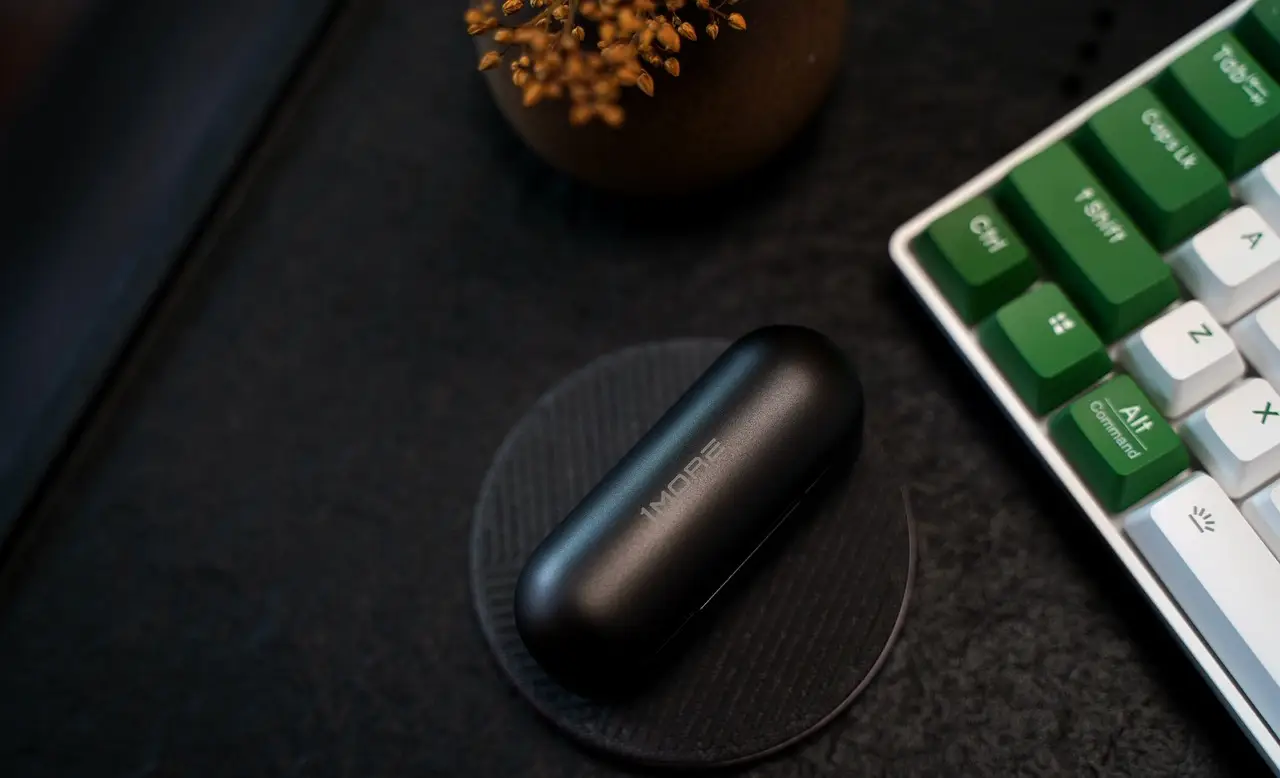
Nothing will launch the Ear (note) earbuds on December 8, according to a Bloomberg preview published November 23, and the product has two recording jobs: earbuds that capture phone calls and microphones built into the charging case that capture in-person meetings. Co-founder Carl Pei demonstrated the device for Bloomberg News. No price has been settled.
The device records and transcribes conversations, so the output is text rather than audio files alone. Bloomberg calls the Ear (note) Nothing's first device for the AI era and describes the company as a smartphone maker with a devoted fan following. That is roughly the full confirmed record. Battery life, microphone count, language coverage, transcription accuracy and regional availability have not appeared in any outlet's coverage.
What is confirmed and what is not?
BigGo Finance and Investing.com summarized the Bloomberg piece the same day, describing the same split between earbud-side call capture and case-side meeting capture. The Verge and Digg added two reported details: a companion app that manages recordings, transcripts and AI-generated summaries, and support for several AI agents alongside a basic Nothing-built voice-control system. The Verge also reported that price was unsettled at preview time. Any figure circulating before December 8 is speculation.
How does the two-mode design work?
The earbud sits at the one point where both sides of a call are audible to the wearer. The case, set on a conference table, turns a pocket accessory into a tabletop room recorder. The Shortcut and Route Note described the same arrangement in first-look coverage.
The practical catch: a case on a table records everyone within range, including people who never agreed to anything. A phone call has two parties who both know a call is happening. A meeting can have eight, and the recorder belongs to one of them.
Bloomberg does not say where transcription runs, which model does it, or how accurate it is. The Verge's companion-app report points to at least a phone-side step. Whether summaries come from a Nothing model, a partner or a user-selected agent is unconfirmed.
Why is Nothing not building the model?
The most interesting reported detail is strategic. Digg, summarizing Bloomberg, reports that Pei does not expect an iPhone-style breakthrough moment for consumer AI anytime soon; he wants Nothing to supply hardware that works with competing AI agents. The upside is flexibility — if one assistant gets better or cheaper, Nothing can route to it without redesigning hardware. The risk: a neutral hardware layer captures less value than the model layer, and the earbuds become interchangeable plumbing.
For AI model makers, this is a distribution story. Speech recognition and summarization are cheap enough per minute to run on every call, which changes the economics versus an occasional chat prompt. Cost per task will decide which models win the assistant slot. A cheaper model that is good enough will beat a better one that costs several times more.
What about consent and data handling?
Recording rules differ by country and, in the US, by state; some jurisdictions require all parties' consent. Digg reports that Nothing says it obtained privacy certifications and consulted law firms on recording risks and safeguards — but the certifications, firms and safeguards are unnamed, so treat the claim as intent, not proof.
Nothing has not said where audio is stored, how long it is kept, who can read transcripts, or whether recordings feed model training. Multi-agent support adds a second layer: once a transcript goes to a third-party agent, that agent's data policy applies.
What happens after December 8?
The open questions reviewers will test first: does the earbud play an audible notice when call recording starts, does the case show a light in meetings, and how well a table microphone handles noisy rooms with overlapping speakers. Calls will transcribe well; conference rooms will draw the harshest criticism.
For the wider market, the signal is that call and meeting capture is moving from standalone gadgets and phone apps into mainstream audio hardware. If the Ear (note) sells, expect established earbud makers to answer with recording modes within a year. If it stalls, the lesson will be that people accept recording in a dedicated tool but resist it in something they wear all day. The history of recording gadgets suggests the technology rarely fails first. The social contract does.
via shattered.io (Source)
More from Grace Kim
Show full bio
Market editor covering regulation, policy and their impact on hardware layer of artificial intelligence at Die Signal.
750 articles
Same lot
- Nothing's Screenless AI Device Lands Dec. 8 Into a Graveyard
- Google Unveils Edge AI Chip That Cuts Power Use 40% for Wearables
- Quadric Lands $46M Series C to Scale Edge AI Chip Rollout
- Altman courts Samsung as DRAM shortage threatens AI buildout to 2027
- Tesla’s 12-Month AI Chip Goal Has No Volume Record