Test report · tested November 24, 2026
AI Devices & SystemsDevice under test
Banana Pi BPI-M2C Puts an Integrated 5G Modem on a $239 Board
Banana Pi's BPI-M2C lists at $239.00 with a 6 nm UNISOC UIS7885, 4 GiB RAM, 128 GB eMMC and an integrated 2G-to-5G modem. The world-first claim is unconfirmed.
- Read
- 4 min
- Words
- 811
- Segment
- AI Devices & Systems
- Operator
- Priya Raman
Spec summary
- Banana Pi listed the BPI-M2C at $239.00, reported launched November 23, 2026.
- The board uses the 6 nm UNISOC UIS7885: four Cortex-A76 cores, four Cortex-A55, Mali-G57 GPU.
- The IMG AX3596 NPU is rated up to 8 TOPS; the integrated modem covers 2G, 3G, 4G and 5G.
- Storage is 128 GB eMMC with 4 GiB LPDDR4X RAM.
- No shipping date, OS support list, band coverage or carrier approvals appear in the sources.
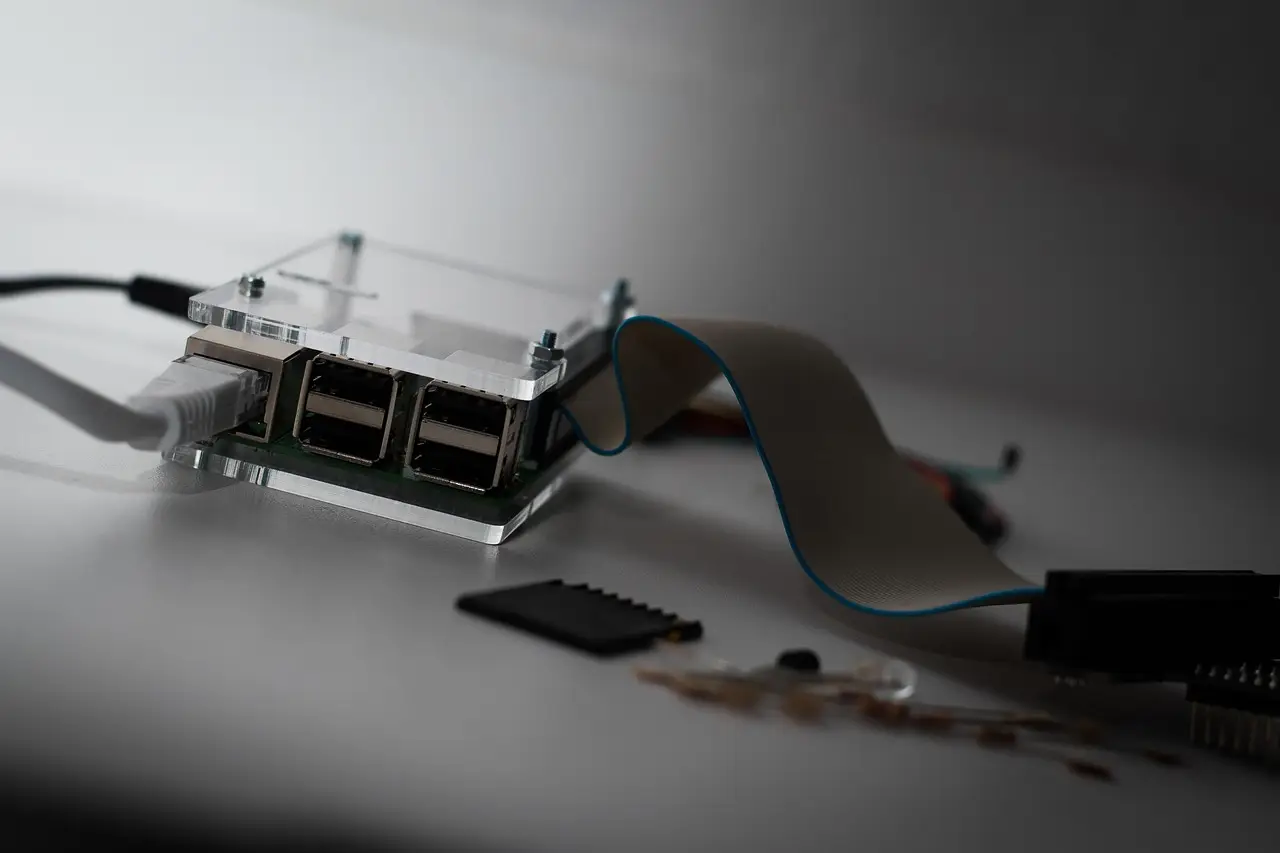
Banana Pi listed a single-board computer with an integrated 5G modem at $239.00 on November 23, 2026. The BPI-M2C, built with chipmaker UNISOC, pairs a 6 nm processor with 4 GiB of RAM, 128 GB of storage and a modem covering 2G through 5G. The launch claim of a world first remains unverified.
Technetbook reported the release. The Banana Pi forum, identifying the project as official, carries the design details. No named UNISOC or Banana Pi executive appears on record. The announcement calls the board the world's first open-source 5G single-board computer (SBC, a complete computer on one circuit board). No independent source in the available coverage establishes that claim.
What does the specification sheet actually say?
The board is built around UNISOC's UIS7885 on a 6 nm process. Three facts define the release: the chip, the integrated modem, and the price. Everything else follows from those.
- CPU: eight cores, four Arm Cortex-A76 plus four Cortex-A55
- GPU: Arm Mali-G57
- NPU: IMG AX3596, up to 8 TOPS per the Banana Pi forum (TOPS measures trillions of operations per second, usually at low integer precision)
- Memory: 4 GiB LPDDR4X
- Storage: 128 GB eMMC, plus MicroSD
- Networking: Gigabit Ethernet, Wi-Fi 5, Bluetooth 5, integrated 2G/3G/4G/5G modem
- Other I/O: HDMI, MIPI-DSI, MIPI-CSI, USB, GNSS (satellite positioning), 40-pin expansion header
The big-and-little CPU layout suits boards that sit in cabinets, vehicles or field enclosures. The storage is generous; 128 GB of eMMC removes the usual first purchase of a memory card. Four gibibytes of RAM is workable for gateways and vision pipelines, but it caps how many containers or how large a model the board can hold.
The sources do not publish clock speeds or benchmark scores. So this article quotes none. That absence is typical of launch week.
Why does an integrated modem matter?
Most prototyping boards reach the cellular network through an add-on: a modem module, a carrier board, an antenna set, a SIM holder, then a weekend on drivers. The BPI-M2C folds the modem into the platform. That cuts wiring, shrinks the bill of materials and removes a common source of driver trouble.
Three groups benefit on paper. Field engineers get a board that can phone home from remote sites. Product teams get a faster path from bench prototype to pilot unit. Researchers studying private 5G get a cheap, open platform.
Integration brings limits. A built-in modem fixes supported bands and certifications at the factory. The sources list no band coverage, no carrier approvals and no regional variants. A board that passes on one US carrier may fail certification in the EU or Asia. Anyone planning commercial volume should get those details in writing first.
A board holding a live SIM and an open software stack is a network endpoint from day one. That is fine in a lab. It deserves a hardening plan before deployment.
What does $239.00 buy?
The price sits well above typical hobby boards. The fair comparison is not board against board. A buyer matching this feature set would add a 5G module, a carrier hat, extra storage and possibly an AI accelerator. Verified prices for those parts were not available, so no sum is invented here. Price your own parts list and compare.
Is the open-source claim verifiable?
The label deserves a careful read. In the SBC world, open source might cover schematics, board layouts, the OS image, kernel and bootloader sources, or all of them. It often stops short of proprietary baseband firmware. The sources describe the board as open but publish no license list, no repository link and no statement on baseband firmware.
That absence does not falsify the claim. It means a buyer cannot yet judge how open the stack is. Three questions test it: can you build the OS image from public sources, can you get modem driver updates, and will fixes continue after launch?
What is missing from the launch?
The announcement gives no confirmed shipping date, no stated list of supported operating systems and no power draw figures. Stock levels could not be confirmed. The 40-pin header's pinout compatibility is unspecified, so existing accessories may need adapters.
The market signal matters more than one board. UNISOC, known mostly for budget phones, is now courting makers and embedded engineers. Memory prices may explain the 4 GiB configuration, given rising RAM contract costs. And UNISOC is a Chinese chip designer facing US scrutiny of Chinese telecom players; the sources say nothing about restrictions on this board, so the question is flagged, not answered.
The specification sheet is solid enough to plan around. The verdict waits for hands-on reviews, thermal tests and software audits. Only shipped boards in real hands will show whether the BPI-M2C delivers.
via shattered.io (Source)
More from Priya Raman
Show full bio
Correspondent covering money, funding and market shifts around hardware layer of artificial intelligence at Die Signal.
731 articles
Same lot
- UNISOC Claims 4GB Phones Feel Like 6GB With Flash-Backed Memory Engine
- KAI to Fit Next-Generation UAV with Korean AI Chip
- Samsung Reportedly Readies 4nm GAIA AI PC Chip for 2027 Mass Production
- Apple M7 Rumor: 240 GB/s and 1.5 TB Claims, Zero Confirmations
- $4.6 Billion, 136,000 GPUs: What Megaspeed's Record Shows