Test report DSG-5222 · Rev A · tested November 11, 2026
Supply Chain & PolicyDevice under test
New York Launches First State-Run AI Testing Program
New York launched the first state-run AI testing program, putting 80+ scientists and $500M in Empire AI compute behind independent checks of advanced AI systems and their risks.
- Read
- 3 min
- Words
- 544
- Node
- 7nm
- Operator
- Grace Kim
Spec summary
- Governor Kathy Hochul launched the nation's first state-run AI testing program on Tuesday.
- More than 80 New York scientists will work at the Center for AI Responsibility and Research at Binghamton University.
- The center will use computing power from Empire AI, a $500 million public-private partnership.
- The RAISE Act requires large AI developers to register with New York by January 1, 2027.
- Companies must report critical safety incidents within 72 hours once the RAISE Act takes effect.
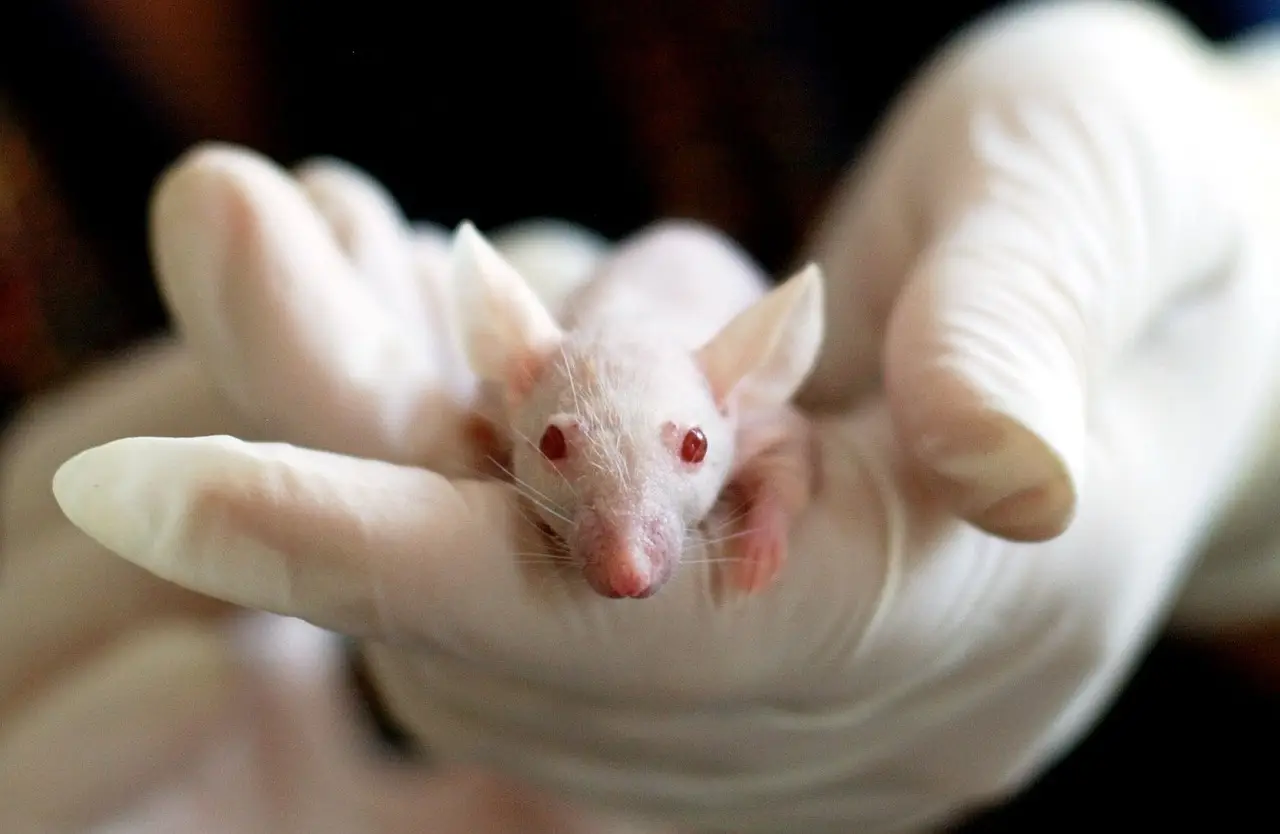
New York has launched the nation's first state-run AI testing program, moving on Tuesday to check AI companies' work directly instead of taking their word for safety claims. Governor Kathy Hochul announced the initiative, which shifts evaluation of advanced AI systems from industry self-reporting to independent researchers at a state research center.
"The stakes are too high to simply take AI companies at their word," Hochul stated in a press release. That single sentence is the program's operating logic.
Who actually does the testing?
The work lands at the New York Center for AI Responsibility and Research, based at Binghamton University. More than 80 New York scientists will contribute. They'll draw computing power from Empire AI, the state's $500 million public-private AI partnership.
Hochul's office outlined three mandates for the center:
- Test advanced AI systems in independent hands rather than vendor-controlled evaluations.
- Study the risks those systems carry.
- Provide evidence that public officials can use when making decisions about AI.
The center also carries a constructive brief. It will examine how AI can be used responsibly in fields like medicine and scientific discovery, not merely audit what already exists.
What does this change for AI companies?
The immediate answer: an actor outside the industry now looks at their systems with state backing, computing resources and a research bench. New York framed the move as a response to a federal vacuum — the state is acting, in its own words, as Washington "essentially leaves us all at the mercy of the AI industry." Testing moves from the lab that built a model to scientists who didn't.
But the program has one structural limit, and it's a big one. The center can only study what AI companies disclose publicly. Models a developer never releases or never documents sit outside its reach. That's the hole in the design.
Can the RAISE Act close the gap?
Partly. New York's RAISE Act, signed by Hochul last year, imposes disclosure duties on large AI developers doing business in the state:
- Registration with the state by January 1, 2027.
- Publication of safety frameworks.
- Publication of transparency reports.
- Reporting of critical safety incidents within 72 hours.
The RAISE Act won't plug the hole on unreleased models, but it will force companies to disclose more than they otherwise would. In effect, the testing program and the statute work as a pair: the law widens what's visible, and the Binghamton center scrutinizes what becomes visible.
Why a state is moving first
The program is a first — no other state runs its own AI testing operation. New York is betting that a public research capacity, backed by $500 million in combined investment through Empire AI and staffed by more than 80 scientists, can produce evidence that neither federal regulators nor the companies themselves currently supply.
For state officials, the payoff is decision-grade material: risk assessments and usage guidance they can cite when AI touches medicine, scientific research and other sensitive domains.
For the industry, the message is blunt. Self-certification no longer satisfies at least one state government. Come 2027, large developers face mandatory registration, published safety frameworks and a 72-hour incident clock — with independent researchers reading every page.
via engadget.com (Source)
More from Grace Kim
Show full bio
Market editor covering regulation, policy and their impact on hardware layer of artificial intelligence at Die Signal.
565 articles
Same lot · LOT-3627
- DSG-124445nmFocus AI and DEEPX to Ship Korean NPU-Based AI Servers in January
- DSG-842945nmAI Competition Shifts to Task Cost and Productivity, IITP Says
- DSG-32023nmAI Chips Need Testing, and Teradyne Is Winning — but Is the Stock Too Rich?
- DSG-605228nmFour Nonprofits Sue Five AI Labs to Freeze Frontier Development
- DSG-792614nmGenius Group Pivots From Edtech to AI Data Centers With 100MW Plan