Test report DSG-5310 · Rev C · tested November 13, 2026
AI Datacenter InfrastructureDevice under test
Nebius signs $12bn in Q3 deals covering 100 percent of capex
Nebius booked $12bn in Q3 contracts with prepayments covering 100 percent of capex, cutting payback to 1 year 7 months. Revenue hit $980.8m, up 571 percent.
- Read
- 3 min
- Words
- 693
- Node
- 45nm
- Operator
- Elena Vasquez
Spec summary
- Nebius signed $12bn in Q3 contracts with prepayments covering 100 percent of capex, up from 50-60 percent in Q2
- Q3 revenue was $980.8m, up 571 percent YoY; net loss narrowed to $37.5m from $119.6m
- 2027 capex guided at $40-45bn, with 75-85 percent funded by prepayments and asset-backed financing
- Microsoft's Vineland data center delayed after DataOne wound down temporary power generation early
- Shares down 18.48 percent at time of writing
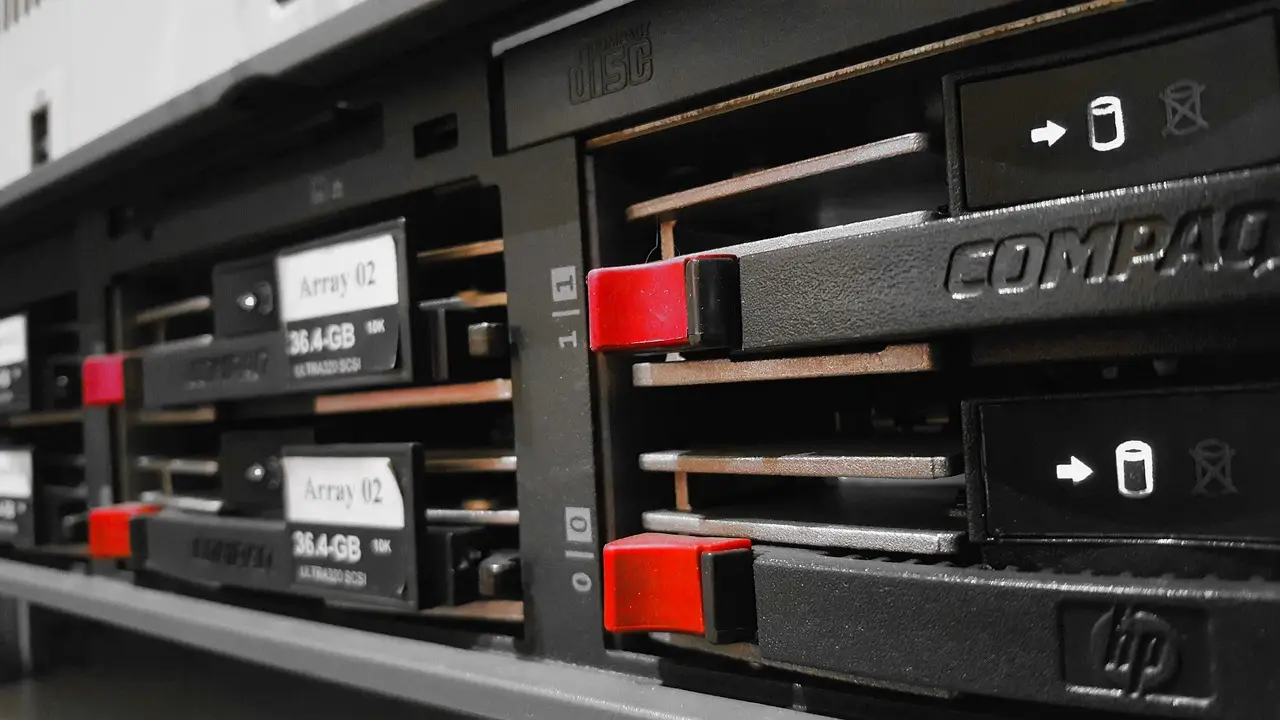
Nebius signed $12 billion in contracts during Q3, with customer prepayments covering 100 percent of the capex attached to each deal — up from 50 to 60 percent coverage in Q2. CEO Arkady Volozh announced the figure on today's earnings call, and the shift changes the risk profile for everyone watching AI infrastructure financing.
Volozh opened by tackling the two questions hanging over the sector right now. "How fast can AI build-out happen, and who will pay for it? These are important questions," he said. "The demand for AI is real and substantial. Everything else, like building the capacity and financing it, is just a task. Tasks can be hard, but they can all be solved."
What do the new prepayment terms change?
Under the Q3 structure, customers now fund everything upfront — data center costs, hardware, networking equipment. That translates directly into faster capital recovery: payback shortened to one year and seven months, from one year and ten months a quarter earlier.
"Our customers are paying more, they pay earlier, and they are committing for longer, and we are getting our capital back faster," Volozh said.
CFO Maria del Dado Alonso Sanchez pointed to the company's asset-backed financing framework, built on long-term customer agreements, including the $775 million facility signed in July. "We have over $40 billion in such similar commitment revenue and see this as a repeatable framework," she said. She also signaled flexibility: if capital market terms turn unattractive, Nebius can allocate more capacity to long-term contracts; if terms are good, it will raise opportunistically and shift allocations.
How did the quarter perform financially?
- Group revenue: $980.8 million, up 571 percent year-on-year and up 68 percent quarter-on-quarter
- AI Cloud revenue: $973.8 million, up 643 percent — roughly 99 percent of the group total
- Net loss: $37.5 million, narrowed from $119.6 million a year ago
- Q3 capex: $7.3 billion, with full-year spending guided to $27 billion
- Full-year revenue guidance: $3 billion to $3.2 billion
ARR is expected to exceed $7 billion by February, but Nebius will stop reporting it after that. Dado explained the metric reflects only one month of the quarter and can add "choppiness" as new partnerships ramp.
The full-year revenue outlook came in below prior guidance because of data center delays. "Building at this scale is hard, and delays are part of our industry right now. We are not immune," Volozh said, citing colocation sites including New Jersey running behind schedule. "None of that capacity is canceled. Some of it has shifted to 2027. This means that a portion of this year's planned revenue moves into the start of next year. With our own sites, we remain on track and even ahead of schedule."
What's happening with Microsoft?
The delayed project is the Vineland, New Jersey data center being developed for Microsoft, where power generation is the bottleneck. Nebius had planned to bridge with temporary generation from DataOne while Bloom generators were deployed. In late Q3, DataOne wound down its temporary generation faster than expected, leaving a gap. "We are expediting the Bloom deployment as much as possible, but we still will have a gap due to this situation," Volozh said, adding that Nebius continued delivering new tranches to Microsoft through Q3 and will keep doing so in November and December.
Microsoft has reportedly been reassessing neocloud contracts, increasing oversight of projects with Nebius, Iren, and Nscale, and stepping away from those it deems risky. Iren recently disclosed a one-to-two-month delay after a Microsoft-requested networking change, and Microsoft pulled out of Nscale's Loughton data center in the UK after the grid couldn't deliver a connection before the 2030s.
What's ahead?
Contracted power will reach 5 GW by year-end. For 2027, Nebius expects capex of $40 to $45 billion to bring another gigawatt online, with 75 to 85 percent funded through prepayments and asset-backed financing. The company targets pre-tax profitability in Q4 2027, and full-year prepayments should total $10 billion. At time of writing, shares are down 18.48 percent.
via datacenterdynamics.com (Source)
More from Elena Vasquez
Show full bio
Senior reporter covering people, launches and day-to-day practice in hardware layer of artificial intelligence at Die Signal.
589 articles
Same lot · LOT-3629
- DSG-305014nmNebius Lands $3.5 Billion Citi Facility for AI Data Center Push
- DSG-62293nmNebius inks 50MW lease with AIB Data Centers in South Carolina
- DSG-270310nmNebius Posts $582.3M Q2 Revenue, Up 454% Year Over Year
- DSG-357645nmNebius revenue outlook misses as capex rises to $27 billion
- DSG-88063nmNAVER Secures About $1.4 Billion in AI Factory Compute Contracts