Test report DSG-5096 · Rev E · tested October 20, 2026
Foundries & ManufacturingDevice under test
Musk Sought to Buy Fabs From Intel, TSMC and Micron Before Terafab
Elon Musk approached Intel, TSMC and Micron to buy chip plants outright, was refused at all three, and pivoted to partnerships before his Terafab plan, Wccftech reports.
- Read
- 3 min
- Words
- 685
- Node
- 14nm
- Operator
- Elena Vasquez
Spec summary
- Musk sought to buy chip plants outright from Intel, TSMC and Micron, per Wccftech.
- All three suppliers declined the purchase approaches.
- He pivoted to partnership structures to secure chip supply.
- The Terafab buildout remains the long-term goal, tied to Musk's stated ambition of a "million times" the Earth's economy.
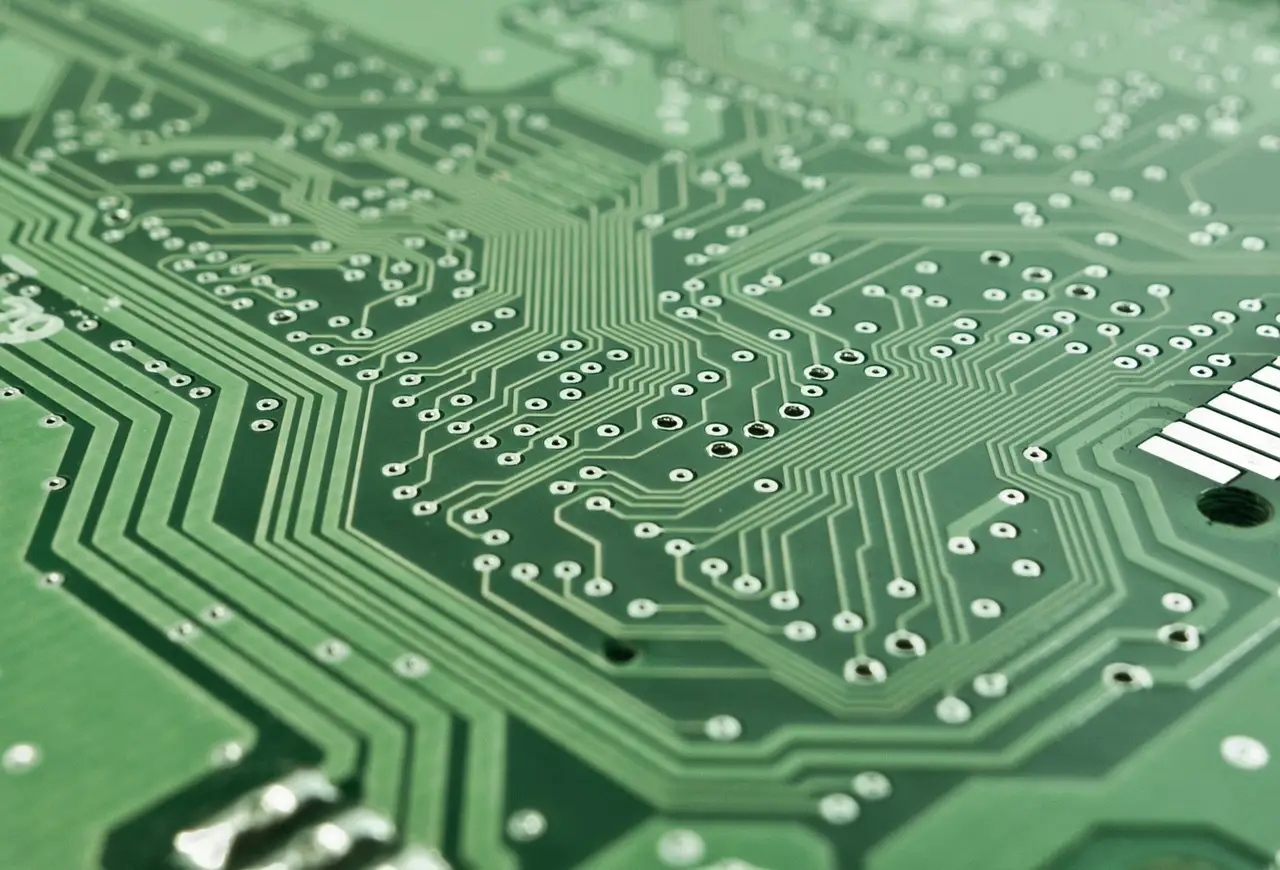
Elon Musk tried to buy chip fabrication plants outright from Intel, TSMC and Micron before committing to his own "Terafab" buildout — and all three turned him down, according to a Wccftech report. The rejections forced a pivot: instead of owning capacity, Musk's operation is now structuring partnerships to secure the silicon his compute plans demand.
For anyone supplying or financing advanced compute, that's the story. One of the world's best-capitalized buyers wanted to verticalize into manufacturing, and the incumbents said no.
Why would Musk want to own fabs at all?
Because buying GPUs at scale means competing with every other hyperscaler for the same constrained supply. Owning a fab — or several — would lock in capacity and remove the queue. Musk's stated ambitions run to what he calls a "million times" the Earth's economy, a framing he has used to justify compute infrastructure projects on a scale no single company has attempted.
The problem is that fabs aren't buildings you acquire. They're ecosystems: process engineers, toolchains, yield knowledge accumulated over decades. Intel, TSMC and Micron each declined to sell, per the report. TSMC in particular has never sold a fab in its history — asking was arguably the longest of long shots.
What does the pivot to partnerships change?
For Musk's operation, partnerships mean access without the capital drag and without the operating risk. You don't spend years learning yield management; you sign capacity agreements and let the specialists do what they do. It's faster to first silicon, and it keeps cash available for the parts of the stack nobody else can build — the data centers themselves, the power, the interconnect.
The trade-off is dependency. Every partnership-signed wafer is capacity someone else can repricingly negotiate, reallocate, or politically complicate. That's the same exposure every AI lab already lives with, and it's apparently a price Musk decided he could pay once direct ownership fell through.
For the chipmakers, the calculus cuts the other way. Selling a leading-edge fab to a single customer concentrates risk and hands over crown-jewel process IP. Declining Musk's offer protects their technology moat and keeps him as a customer rather than a competitor. The refusal wasn't personal; it was balance-sheet logic.
What is the Terafab, in context?
The name signals the scale Musk is aiming at: fabrication capacity measured not in one facility but in multiples of what the industry currently builds. A conventional leading-edge fab costs on the order of twenty billion dollars and takes years to bring online. A "Terafab" program implies stacking several of those, plus the power infrastructure to run them — which is why the ownership question came up in the first place.
The reported sequence matters for practitioners reading the roadmap:
- Musk approached Intel, TSMC and Micron seeking outright plant purchases.
- All three suppliers rebuffed the approach.
- He pivoted to partnership structures to secure supply.
- The Terafab concept remains the long-term buildout target, tied to the "million times Earth's economy" ambition.
Who should care?
If you're a supply-chain or procurement lead at any large AI compute buyer, this is a data point on how far the biggest spender considered going before settling for contracts. Direct fab ownership was on the table and got refused at three doors. That tells you the sellers' consensus: capacity is strategic, and no price Musk offered changed their minds.
If you're on the semiconductor side, expect partnership pressure to intensify. A buyer this motivated, denied ownership, will push hard on capacity guarantees, co-investment structures and priority allocation — the standard playbook when acquisition is off the table.
And if you track the Terafab itself, the sourcing confirms it remains the goal rather than a replacement for purchased silicon. Partnerships bridge the gap; the ambition, per Musk's own framing, hasn't shrunk.
The bottom line for the trade: the richest buyer in AI couldn't buy his way into manufacturing. He'll rent it instead — and the terms of those rentals will shape compute economics for everyone downstream.
via Google News: TSMC (Source)
More from Elena Vasquez
Show full bio
Senior reporter covering people, launches and day-to-day practice in hardware layer of artificial intelligence at Die Signal.
470 articles
Same lot · LOT-C1E5
- DSG-616810nmMusk Caps TSMC's Role in Terafab: Sublease Only, No Ownership
- DSG-206365nmElon Musk Opens Chip Supply Talks With TSMC, Report Says
- DSG-12507nmMusk says Tesla and SpaceXAI will build and run Terafab AI chip plant
- DSG-670610nmMusk Plays Down TSMC Presence at AI Fab Facility
- DSG-87703nmInsider: Musk Should Stick to Rockets, Not Chip Making