Test report DSG-9192 · Rev A · tested October 30, 2026
Supply Chain & PolicyDevice under test
Malaysia mandates 30 percent renewable power for new data centers
Malaysia will require data centers to source 30 percent of power from renewables. 5GW of new capacity is conditional on the threshold, underpinned by the CRESS open grid access scheme.
- Read
- 2 min
- Words
- 489
- Node
- 20nm
- Operator
- Priya Raman
Spec summary
- Malaysia mandates at least 30 percent renewable power for new data centers, announced by Deputy PM Fadillah Yusof in parliament.
- The Data Centre Task Force approved 5GW of additional capacity conditional on the 30 percent threshold.
- Malaysia has approximately 8.3GW of data center capacity in its interconnection pipeline.
- DayOne signed a 1.5GW renewable deal with utility TNB in June under CRESS.
- The Energy Commission is still drafting the enforcement framework and guidelines.
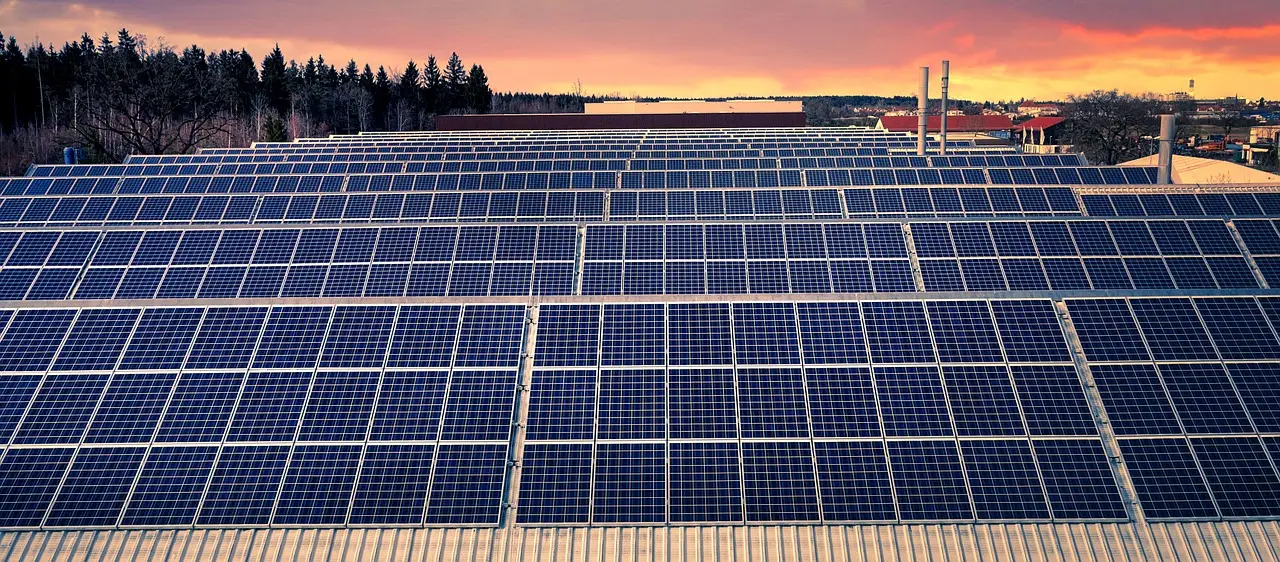
Malaysia will require data center operators to source at least 30 percent of their power from renewable energy, under new government rules announced in parliament. Deputy Prime Minister Datuk Seri Fadillah Yusof confirmed the mandate during a parliamentary session and said the Energy Commission is now drafting the framework and guidelines for the mechanism that will enforce it.
The framework does not yet exist in enforceable form. Yusof said the Energy Commission is "in the process of drafting framework and guidelines on the mechanism" — a caveat worth noting against any claim of immediate compliance pressure on operators.
What does the requirement cover?
The rules apply to new data center buildouts. Operators have been encouraged to deploy onsite renewable generation, with solar power singled out as the preferred option. The government has not specified penalties for non-compliance, nor a deadline for the Energy Commission to finalize its guidelines. Those details will sit in the framework still being drafted.
How much capacity is at stake?
The mandate is tied to concrete capacity numbers. Last month, Malaysia's Data Centre Task Force approved 5GW of additional data center capacity, conditional on meeting the 30 percent renewable threshold. The country currently has approximately 8.3GW of data center capacity in its interconnection pipeline (the queue of projects awaiting grid connection approval). That conditional structure gives the mandate its enforcement teeth: without renewable sourcing, the new capacity does not proceed.
What mechanism underpins the mandate?
The requirement rests on the Corporate Renewable Energy Supply Scheme (CRESS), a system offering open grid access — meaning a third party can supply or buy electricity through the grid network, subject to a set system access charge. The government has not published the size of that access charge, which will determine whether the scheme is economically attractive for operators or a compliance cost.
Deals are already moving under the mechanism. In June, DayOne signed a 1.5GW renewable supply agreement with utility TNB, the most recent of several major renewable energy supply agreements concluded with data centers through CRESS.
Who is affected?
Malaysia's data center market is large and expanding, with major hubs in Cyberjaya, Johor, and Kuala Lumpur. Johor in particular has attracted hyperscale investment due to its proximity to Singapore. Developers already active in the country include:
- PDG
- AirTrunk
- Equinix
- Keppel
- Bridge DC
- Vantage
All will face the 30 percent threshold for new capacity. The mandate covers power sourcing, not emissions or water use, and the government has announced no parallel requirements on those fronts.
What remains unanswered?
Three gaps stand out. The Energy Commission's timeline for the enforcement mechanism is undefined. The CRESS system access charge is undisclosed. And the treatment of existing capacity — the 8.3GW already in the pipeline — versus future applications is not fully clear from the announcement. Until the framework lands, the 30 percent figure functions as a policy signal backed by conditional approvals, rather than an operating rule.
via Data Center Dynamics (Source)
More from Priya Raman
Show full bio
Correspondent covering money, funding and market shifts around hardware layer of artificial intelligence at Die Signal.
467 articles
Same lot · LOT-C204
- DSG-797265nmSpain raises proposed data center renewable threshold above 10 MW
- DSG-753510nmGreece wants 60% renewable power mandate for data centers
- DSG-712045nmThailand freezes datacenter construction and permit approvals nationwide
- DSG-813320nmFERC Approves PJM Data Center Database, Rejects Curtailment Bid
- DSG-553265nmNxera Singapore signs low-carbon power MoU with Sembcorp