Test report · tested November 9, 2026
AI Datacenter InfrastructureDevice under test
LS Materials, LS Electric enter projected $2 billion STATCOM market
LS Materials and LS Electric plan E-STATCOM for AI data centers and renewable plants, backed by 0.1-second power response and 4.7 GVA reactive in STATCOM projects.
- Read
- 3 min
- Words
- 653
- Segment
- AI Datacenter Infrastructure
- Operator
- Amara Osei
Spec summary
- On the 9th, LS Materials signed an MOU with LS Electric to develop and demonstrate E-STATCOM.
- LS Materials developed LS Ultragrid, South Korea's first megawatt-class rack-type ultracapacitor system, in 2024.
- LS Ultragrid can supply or absorb megawatt-scale power within 0.1 second.
- LS Electric has carried out South Korean STATCOM projects totaling 4.7 GVA reactive.
- The global STATCOM market is expected to reach about $2 billion, or 2.72 trillion won, by 2030.
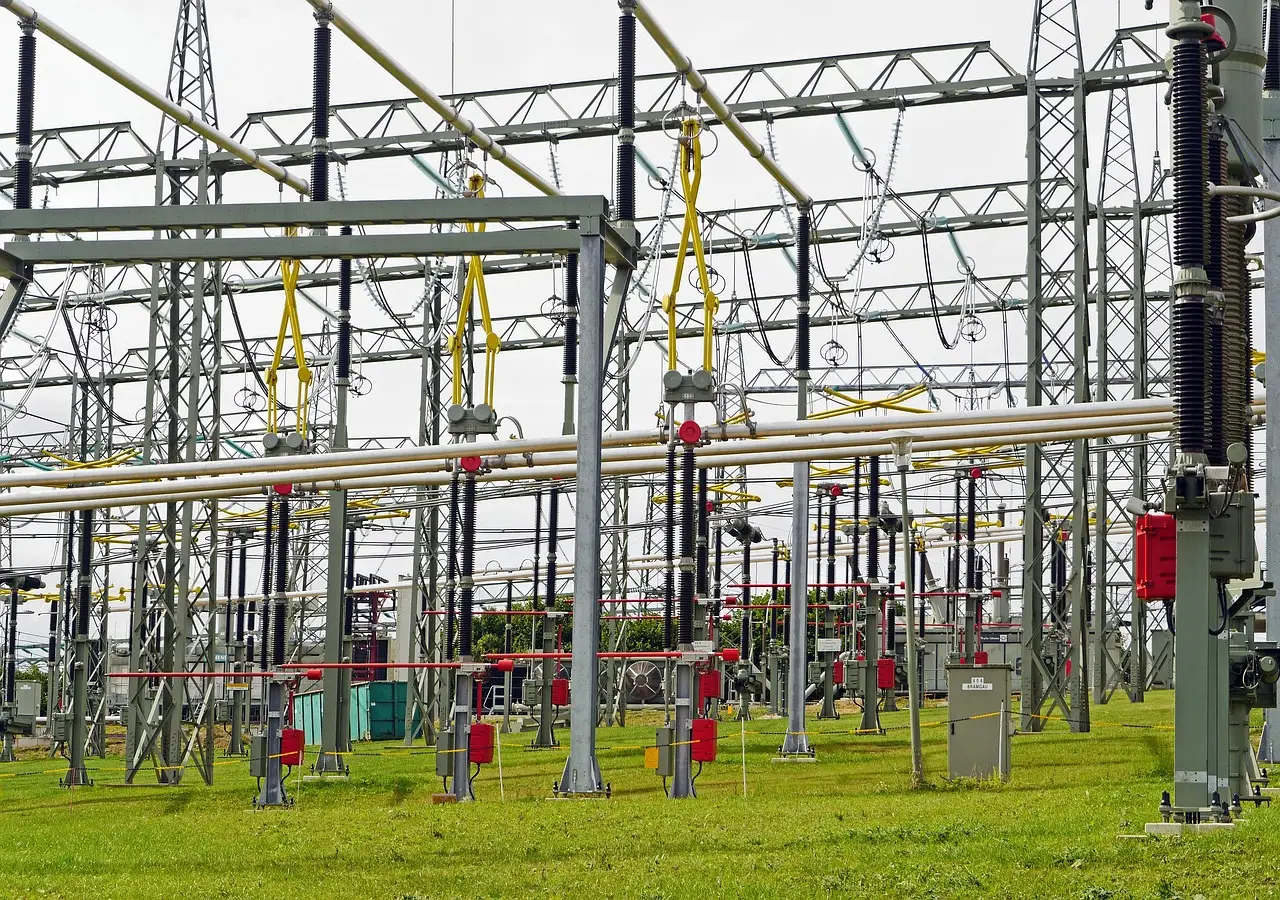
The global STATCOM market is expected to reach about $2 billion, or 2.72 trillion won, by 2030; LS Materials and LS Electric will develop E-STATCOM for AI data centers and renewable-energy plants, drawing on two disclosed technology records.
LS Materials' LS Ultragrid can supply or absorb megawatt-scale power within 0.1 second, while LS Electric has carried out South Korean STATCOM projects totaling 4.7 GVA reactive.
What are the partners developing?
LS Materials said on the 9th that it had signed a memorandum of understanding with LS Electric to develop and demonstrate E-STATCOM technology. The companies plan to combine energy storage with power-control technologies and pursue overseas markets.
The project pairs LS Materials' ultracapacitor work with LS Electric's STATCOM background. LS Materials trades under 417200.KS, while LS Electric trades under 010120.KS. The memorandum covers development and demonstration before the partners move to localization and commercialization.
E-STATCOM remains in the early stages of technology development. The partners aim to secure a competitive position in the category and expand their overseas business.
The partnership combines ultracapacitor storage and STATCOM experience ahead of commercialization in an early-stage E-STATCOM category.
How does E-STATCOM stabilize a grid?
E-STATCOM pairs a conventional static synchronous compensator, or STATCOM, with ultracapacitors capable of ultra-fast charging and discharging. The STATCOM keeps grid voltage steady, while the storage component adds rapid response to short-duration power changes.
The combined system can respond to swings in voltage and frequency and to momentary imbalances between power supply and demand. Its target settings include solar and wind plants, where output varies with the weather, and AI data centers, where electricity consumption fluctuates sharply.
LS Electric also plans to apply grid-forming control technology, verified by UL of the United States, to the new system. That control technology forms part of the planned package alongside STATCOM and ultracapacitor storage.
In technical terms, E-STATCOM combines voltage regulation with fast, bidirectional storage response.
What performance data supports the partnership?
LS Materials developed LS Ultragrid in 2024, described as the first megawatt-class rack-type ultracapacitor system in South Korea. The product can supply or absorb megawatt-scale power within 0.1 second.
The disclosure provides three measurable reference points:
- A 2024 development milestone for South Korea's first megawatt-class rack-type ultracapacitor system.
- Supply or absorption of megawatt-scale power within 0.1 second.
- 4.7 gigavolt-amperes reactive of STATCOM projects carried out by LS Electric in South Korea.
UL of the United States has verified the grid-forming control technology that LS Electric plans to apply. The two companies still have to verify E-STATCOM's performance and reliability through a joint demonstration.
The disclosed operating record combines a 0.1-second storage capability with 4.7 GVA reactive of domestic STATCOM project experience.
What market conditions support the project?
AI data centers are consuming rapidly rising amounts of electricity, while renewable generation continues to expand. The partners are targeting both sides of that demand: plants with weather-driven output and sites with sharply fluctuating consumption.
The industry expects the global STATCOM market to reach about $2 billion by 2030, driven by renewable-energy expansion and grid upgrades. The estimate applies to the broader STATCOM category, not specifically to E-STATCOM.
The two companies will first conduct a joint demonstration to verify performance and reliability. They then plan to localize and commercialize the system, while also pursuing overseas markets.
For customers, the next measurable checkpoint will be demonstration data covering response to voltage, frequency and momentary supply-demand imbalances.
The commercial sequence is validation first, followed by localization and commercialization, with overseas sales forming part of the partners' expansion plan.
Until the demonstration produces system data, the commercial case rests on the 0.1-second storage record, the 4.7 GVA project base and the projected $2 billion market.
via en.sedaily.com (Source)
More from Amara Osei
Show full bio
Staff writer covering money, funding and market shifts around hardware layer of artificial intelligence at Die Signal.
793 articles
Same lot
- LS Electric Lands $93.83 Million AI Data Center Power Deal
- Samsung Heavy, Morimura Set SOFC Development Through 2028
- LS Electric wins $138.5m Bloom Energy switchgear order
- LG CNS completes 30 MW AI data center in Jakarta, a first for Korea abroad
- SK Telecom Taps Hyosung Heavy for 15 GW Data Center Power Push