Test report · tested November 19, 2026
Supply Chain & PolicyDevice under test
Leaked Ohio bill could expand eminent domain for AI data centers
Leaked Ohio legislation would expand eminent-domain eligibility to certified transmission and gas-line projects, potentially enabling land seizures for AI data centers and power infrastructure.
- Read
- 3 min
- Words
- 545
- Segment
- Supply Chain & Policy
- Operator
- Elena Vasquez
Spec summary
- The leaked bill would add power siting board certificate holders for transmission lines and gas pipelines to Ohio's eminent-domain eligibility list.
- In June, the Ohio Business Roundtable recommended extending possession authority after public use and necessity are established.
- A July 2026 report said government was able to seize private land for transmission lines needed to power new data centers.
- Georgia's largest utility required removal of 30 residential properties for grid upgrades that residents linked to AI data centers.
- Nashville targeted a 69,220-square-foot data center beside a zoo in a proposed $700 million buildout.
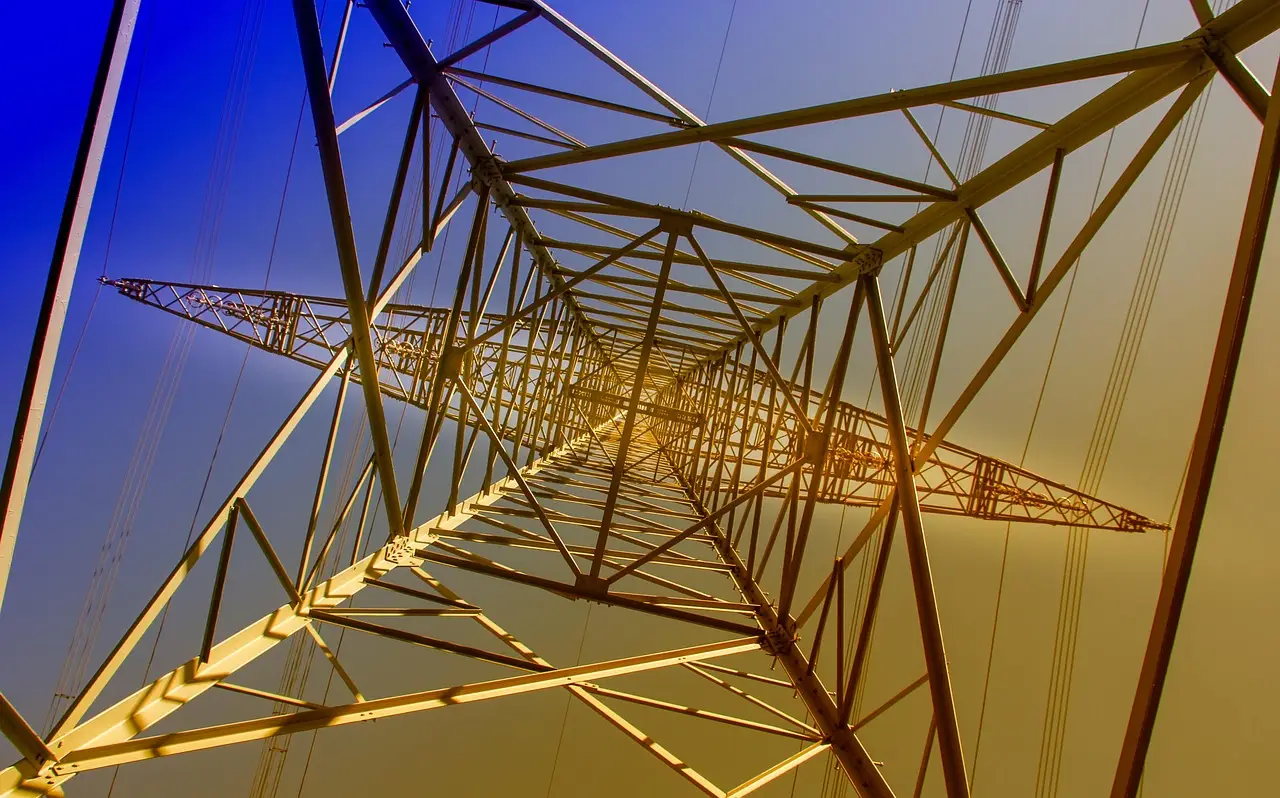
A leaked Ohio bill would expand eminent-domain eligibility beyond utilities, potentially letting certified grid and pipeline developers take private land for AI data centers.
The proposal, leaked to WCPO Cincinnati, could classify data centers as public utilities and revise who qualifies for Ohio's eminent-domain law. It arrives amid what the report describes as repeated Ohio rejection of new data-center proposals. Eminent-domain fears have already followed AI buildouts.
Who would gain authority?
Ohio currently limits eligibility to three groups:
- Entities owned or operated by municipal corporations
- Electric cooperatives
- Agencies holding a Federal Energy Regulatory Commission certificate of public convenience and necessity
The leaked amendment would add “an agency holding a certificate of environmental compatibility and public need from the power siting board.” The certificate must cover constructing an electric transmission line and associated facilities, or a gas pipeline and its associated facilities.
For property owners, the practical difference is the certificate route: the existing federal process would gain a parallel power siting board route for transmission lines and gas pipelines.
What does eminent domain change?
Ohio law lets government take private land without the owner's consent for public use, provided the owner receives appropriate compensation. Government can delegate that authority to private entities and common carriers, including utility companies.
Legal experts warned that the change could let a transmission developer, including a power company, seize land for a data center or a facility that would power one. That would place a takedown decision with an infrastructure developer once the relevant public-use threshold and approvals apply.
Where did the policy pressure come from?
In June, the Ohio Business Roundtable trade group recommended that lawmakers change eminent-domain law to “extend possession authority to energy infrastructure projects once public use and necessity have been established.”
The debate also follows a July 2026 report that government was able to seize private land for new transmission lines needed to power new data centers. The report showed how public condemnation authority can reach a private buildout through delegated utility power.
What do recent projects show?
- Georgia: Earlier this year, the state's largest utility company required the removal of 30 residential properties to upgrade its grid. Residents claimed the expansion would power AI data centers, and one such data center sat a few miles away.
- Nashville: Metro Council approved the opposite use of the same law: eminent domain to buy land from a local developer and block a proposed 69,220-square-foot, single-story data center next to a zoo. The developer planned a $700 million buildout. The case shows the same statute can stop a project as well as facilitate one.
What changes if the bill advances?
For developers, the proposal would create a new legal route for assembling land for power and gas infrastructure tied to data centers, rather than relying solely on negotiated purchases. For utilities and certified transmission or pipeline holders, it could broaden the projects for which they exercise delegated authority.
For communities, the central question is whether infrastructure serving a private data-center operator qualifies as public use once the broader public-utility classification applies. If enacted, the bill's final definitions of public use and eligible infrastructure categories would determine which projects qualify.
via tomshardware.com (Source)
More from Elena Vasquez
Show full bio
Senior reporter covering people, launches and day-to-day practice in hardware layer of artificial intelligence at Die Signal.
770 articles
Same lot
- Senate Votes 62-33 to Make Big AI Data Centers Pay More for Grid
- Virginia bans data center NDAs in new accountability framework
- Rep. Dexter's bill claws back federal lands sold for data centers
- Trump Threatens US AI Firms With 'Enormous Taxes' Over Foreign Data Centers
- 40 of 41 Ballot Contests Went Against Data Center Growth