Test report · tested November 26, 2026
Memory & StorageDevice under test
Kioxia and Nvidia test 144 SSDs for an AI memory role
Kioxia and Nvidia are testing 144 SSDs linked directly to GPUs. The NAND maker holds 14% of the market and plans samples with twice the performance next year.
- Read
- 3 min
- Words
- 567
- Segment
- Memory & Storage
- Operator
- Marcus Bennett
Spec summary
- Kioxia is testing 144 SSDs with Nvidia in an AI server system.
- The setup sends data directly from SSDs to GPUs through software Nvidia is developing.
- Kioxia held 14% of the NAND market in Q2; Samsung led with 28%.
- Kioxia says it will ship GPU-focused SSD samples sometime next year.
- Kioxia says the upgraded SSD offers twice the processing performance of existing models.
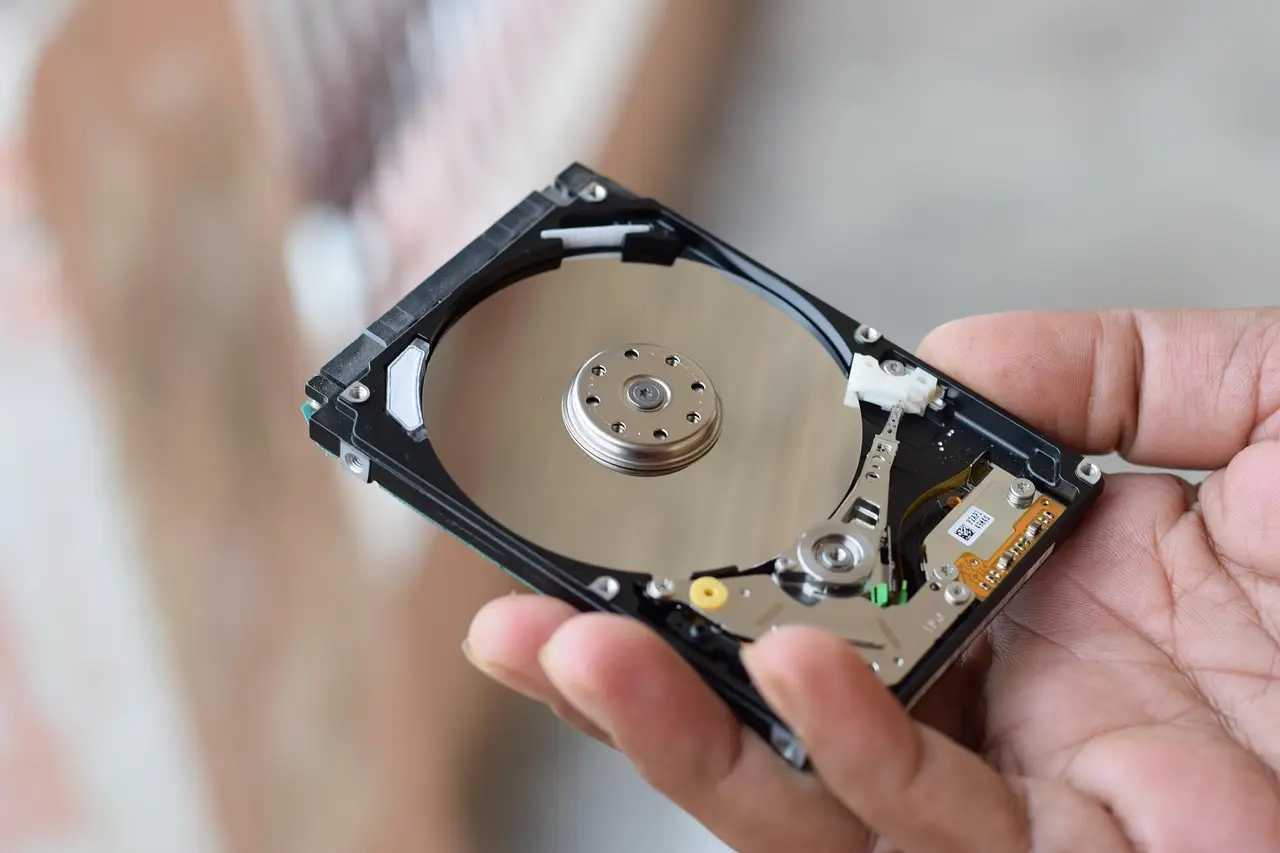
Kioxia is testing 144 high-performance NAND flash SSDs inside an Nvidia AI server system to see whether they can expand HBM capacity.
The Japanese storage maker and Nvidia want NAND-based SSDs to perform part of the data-handling job now handled by high-bandwidth memory (HBM) in AI accelerator servers. Kioxia said on the 26th that it had begun verifying whether the SSDs could expand HBM capacity, according to the Nihon Keizai Shimbun. The system feeds data directly from the SSDs to the graphics processing units, or GPUs.
Koichi Fukuda, chief engineer for SSD application technology at Kioxia, said: "An AI system needs both high-speed computing and storage that can handle vast amounts of data." The comment frames the trial as a capacity test, not a replacement for the compute role of GPUs.
How does the test connect SSDs to GPUs?
SSDs and HBM have different performance profiles. SSDs process data more slowly than HBM, while GPUs require fast computation. That speed gap explains why SSDs have generally not been paired directly with GPUs in AI systems.
This trial combines Kioxia's newly developed memory technology for faster data processing with software Nvidia is developing to link GPUs and SSDs inside the test server. The partners then test whether the arrangement can run actual AI computing. The test therefore checks the link between storage and processors, rather than measuring SSD speed alone.
Can SSDs take over part of the HBM role?
The target is partial substitution. If SSDs can carry some HBM-related data processing, the design could make it easier to increase overall data capacity and let AI systems process large data volumes at high speed. Better capacity efficiency could also shorten AI response times.
The proposed arrangement would not eliminate HBM. Instead, SSDs would handle some memory-related data processing while GPUs retain their computing function. The practical benefit depends on whether the combined hardware and software can maintain the required data-processing speed during actual AI workloads. No performance result accompanies the announcement.
The wider market matters because South Korean companies lead the AI memory market. The Nikkei report said the trial aims to replace part of that market, where Samsung Electronics and SK hynix hold the lead. The trial would put Kioxia against established HBM suppliers in the same AI memory market.
What does this change for AI memory buyers?
Kioxia ranked fourth in NAND with a 14% share in the second quarter, covering April through June, according to Hong Kong-based Counterpoint Research. Samsung ranked first with 28%. Those figures describe NAND, not HBM, but they show Kioxia's scale in the storage technology used in the test and its position against the market leader.
The next commercial step is a GPU-oriented SSD. Kioxia said on the 26th that it would ship samples of an upgraded SSD designed for use with GPUs sometime next year. The company said the device would offer twice the processing performance of existing models.
For buyers, the answer is conditional. The 144-drive trial has not established whether SSDs can perform the intended HBM-support role, and samples are not due until sometime next year. If the test succeeds, Nvidia systems could support greater data capacity without relying on HBM for every data-handling task. If it does not, the case for using SSDs in AI memory will remain unproven.
via en.sedaily.com (Source)
More from Marcus Bennett
Show full bio
News editor covering regulation, policy and their impact on hardware layer of artificial intelligence at Die Signal.
795 articles
Same lot
- Samsung caught off guard as AI demand outruns SSD forecasts
- Samsung Lays Out AI Memory Roadmap Across DRAM and NAND
- Samsung Passes HBM4E Qualification with Nvidia and Major Hyperscalers
- Samsung Sets AI Memory Strategy Around HBM5, CXL and Next-Gen SSDs
- Samsung Posts Record $80 Billion Profit as AI Memory Demand Beats Estimates