Test report · tested November 26, 2026
Memory & StorageDevice under test
DRAM prices up 500% push electronics makers into broker scramble
DRAM prices have surged 500%, driving small electronics makers into war-room procurement of 5-unit broker lots. SK hynix warns 2027 will be the worst year, with new capacity absent until 2028.
- Read
- 3 min
- Words
- 581
- Segment
- Memory & Storage
- Operator
- Grace Kim
Spec summary
- Memory prices have climbed 500%, hitting PC builders and small electronics manufacturers hardest.
- SK hynix projects 2027 as the worst year for memory shortages; new big-three factories won't ship until 2028.
- Apacer President Gibson Chen: 'If chips show up, we take it. This is crazy, but there is no other way.'
- Elon Musk reportedly offered Samsung an LTA and factory financing guarantee, and was told others had already offered the same.
- Micron, Samsung, and SK hynix face a price-fixing lawsuit over their coordinated shift to HBM production.
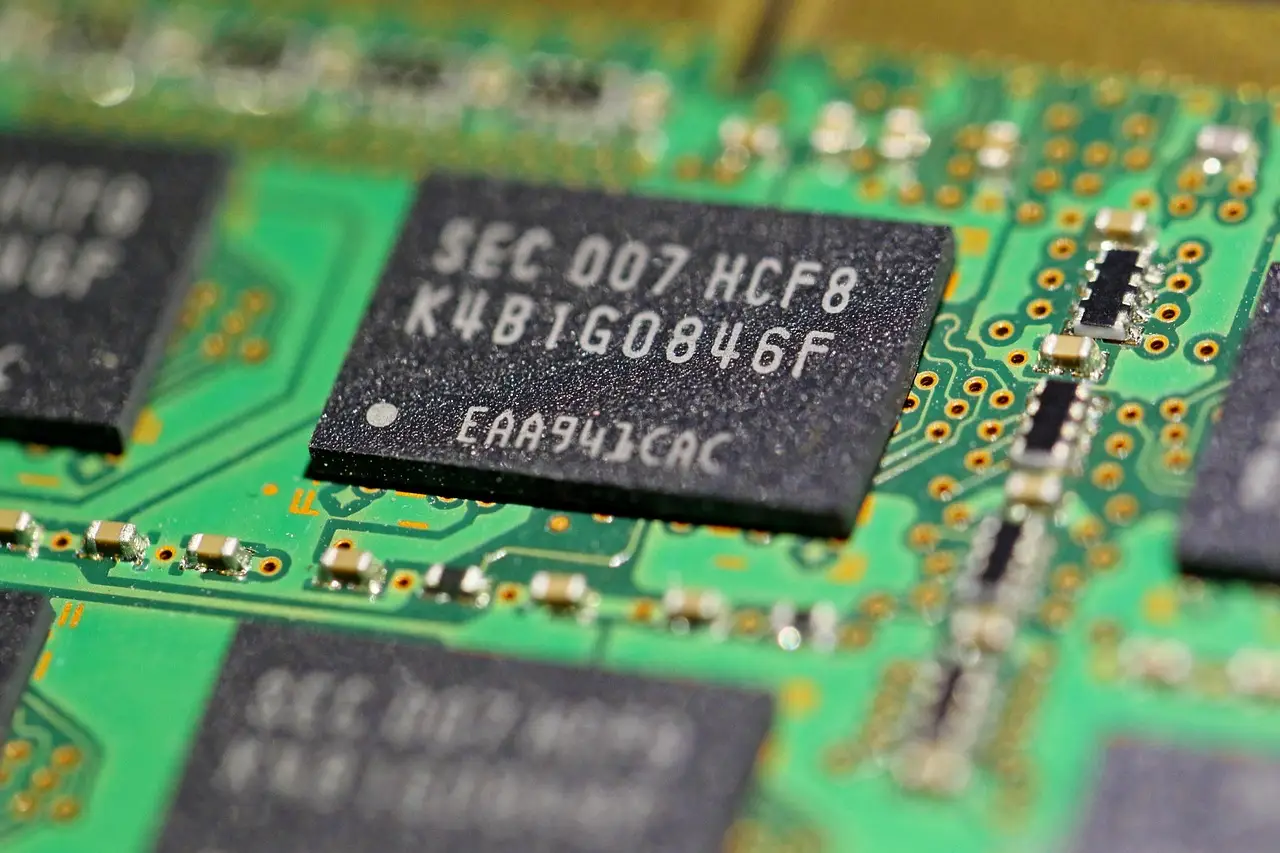
Memory prices have climbed 500%, and electronics manufacturers are now running dedicated procurement "war rooms" to hunt down DRAM (dynamic random-access memory, the workhorse chip in PCs and most electronics). Teams inside smaller firms are scouring eBay, cold-calling hundreds of brokers, and buying batches as small as five or 12 units just to keep production lines moving.
Some companies have raised prices to cover the cost. Others cut product specifications instead, pairing the downgrade with a smaller price bump. Either way, the margin is gone.
What does the shortage change for smaller manufacturers?
Scale decides who survives this. Amazon, Apple, and Microsoft can pay premium rates and lock in large volumes under LTAs (long-term agreements, multi-year supply contracts). Small firms can't. They work the broker market and whatever listings turn up online.
The Wall Street Journal reports that Apacer, a Taiwanese memory module and storage maker, took out loans so it would have cash ready the moment supply appears. "If chips show up, we take it," Apacer President Gibson Chen told the publication. "This is crazy, but there is no other way."
Money alone doesn't solve this. Even Elon Musk reportedly struggled. According to a portfolio manager, Musk offered Samsung an LTA plus a financial guarantee for new Samsung chip factories — and executive chairman Lee Jae-yong allegedly replied that everyone else was already offering the same terms. OpenAI CEO Sam Altman also traveled to South Korea to meet Samsung leadership, seeking RAM for data centers.
The gray market adds its own risk. Unscrupulous sellers there mix used memory chips into batches sold as new to inflate deliveries, so buyers have to inspect what they get.
Why did supply collapse?
The scramble for AI compute is the driver. The big three memory manufacturers — Micron, Samsung, and SK hynix — shifted production toward HBM (high-bandwidth memory, the type used in AI accelerators), which pays far better than conventional DRAM. Conventional supply dried up as a result.
Warnings keep coming. SK hynix says 2027 will be the "worst year" for memory shortages. TeamGroup's CEO said the market could reach a point where "even money can't buy goods." New factories from the big three won't come online and ship chips until 2028.
Can new suppliers enter the market?
Barely. A new entrant needs enormous capital for fabs and a supply chain, must license a dense thicket of patents, and needs its own process technology — plus the manufacturing expertise to produce at scale. CXMT, the Chinese firm, is the only newcomer to ship mainstream consumer DDR5. It faces allegations that it stole the technology from Samsung, and its DDR5 chips trail competitors on performance while tracking market prices, so it isn't the cheap alternative buyers hoped for.
The market's boom-and-bust history explains why manufacturers hesitated to add capacity in the first place. Even a factory started at the first sign of shortage would need several years before it produced chips.
Is collusion part of the story?
Possibly. The three major manufacturers face a price-fixing lawsuit alleging they coordinated their shift to HBM in order to cut DDR3 and DDR4 production. The judge handling the case has said it is plausible they colluded while the market experienced the price surge.
PC builders and enthusiasts were hit hardest by the 500% price climb, but the squeeze has now spread across the wider electronics industry — and by every current projection, it lasts through 2028.
via tomshardware.com (Source)
More from Grace Kim
Show full bio
Market editor covering regulation, policy and their impact on hardware layer of artificial intelligence at Die Signal.
782 articles
Same lot
- Micron CEO: Memory Shortage Has No End in Sight, Will Probably Get Worse
- Acer CEO: Memory Makers Hype 2030 Shortage to Defend Margins
- Deloitte: Memory chip crunch projected to last until 2029
- Samsung Commits Nearly 80% of Next Year's Memory Output in Long-Term Deals
- All of 2027's Memory Supply Is Booked, DRAM and HBM Sold Out