Test report DSG-3801 · Rev B · tested October 10, 2026
Foundries & ManufacturingDevice under test
Intel Sets 14A Parity Target Within 5% of TSMC's A14
Intel expects its 14A node to perform within 5% of TSMC's A14, setting a measurable technical target as the chipmaker positions its foundry offering for the 1.4nm-class generation.
- Read
- 2 min
- Words
- 386
- Node
- 28nm
- Operator
- Elena Vasquez
Spec summary
- Intel expects its 14A node to perform within 5% of TSMC's A14 node, per TechPowerUp coverage
- Both 14A and A14 are 1.4nm-class foundry process technologies that follow the 18A/A16 generation
- Intel operates its contract-manufacturing business as Intel Foundry, competing with TSMC and Samsung Foundry
- The publicly available summary does not identify which metric the 5% threshold refers to
- The 5% claim does not address wafer cost, capacity allocation, or design ecosystem factors
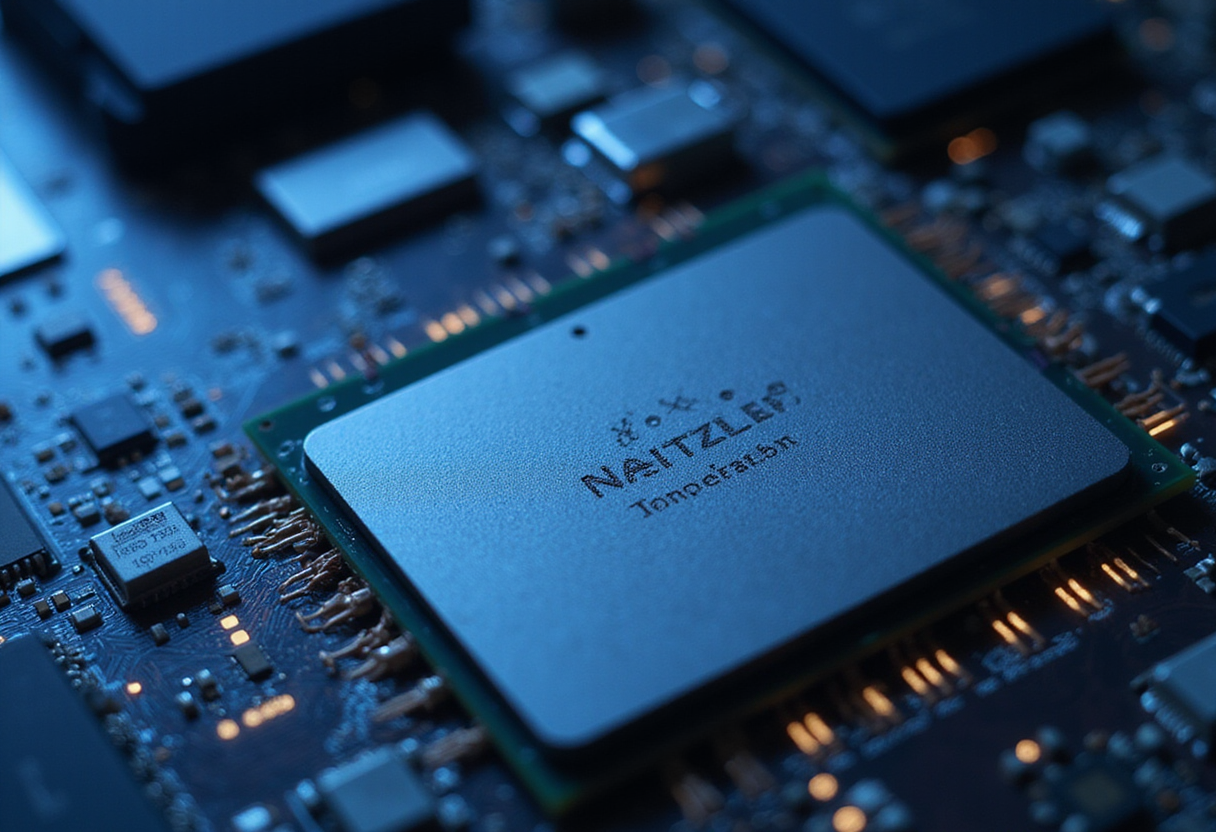
Intel expects its 14A process node to perform within 5% of TSMC's competing A14 node, the company has signaled in coverage carried by TechPowerUp. The 5% figure sets a measurable technical benchmark for the next generation of leading-edge foundry production.
The claim positions Intel's 14A manufacturing technology against TSMC's equivalent 1.4nm-class node. Both designations refer to the geometry tier that follows the current 18A/A16 generation in foundry roadmaps.
What does the 5% threshold measure?
The publicly available portion of the TechPowerUp item does not identify which metric the 5% threshold refers to. The figure implies parity in one of several standard dimensions:
- Transistor density per square millimeter
- Performance at matched power
- Power consumption at matched performance
- Wafer yield at a given point on the production ramp
Without specification, the metric behind the claim remains open.
Why does the parity target matter for Intel's foundry push?
Intel operates a contract-manufacturing business under the Intel Foundry brand. The segment competes directly with TSMC and Samsung Foundry for external customers at the leading edge.
A stated parity target within 5% provides a numerical reference point for evaluating Intel's 14A offering against TSMC's A14. The claim addresses technical objections only. Pricing, capacity allocation, and design ecosystem considerations sit outside it.
What the report does not specify
The publicly available summary does not contain:
- A direct quotation from an Intel official
- Wafer cost figures
- A 14A launch date or risk-production timeline
- External customer commitments tied to the node
- Detailed benchmark data comparing 14A to A14
How 14A fits Intel's naming sequence
Intel has restructured its process naming across recent generations:
- "Intel 18" (also referenced as 18A) covers the current leading edge
- "Intel 14A" or "14A" follows as the next step in the sequence
The TechPowerUp coverage does not include a launch date for 14A in the summary available.
What to watch next
Three developments will determine whether the 5% target reflects delivered capability:
- Public benchmark disclosures comparing 14A test chips to A14 reference designs
- External foundry customer commitments beyond previously announced signings
- Yield progression once risk production begins
The 5% claim establishes a numerical ceiling for technical objections to Intel's 1.4nm-class offering. Whether Intel clears that ceiling depends on production execution rather than forward statements.
via Google News: TSMC (Source)
More from Elena Vasquez
Show full bio
Senior reporter covering industry trends and analytics at Die Signal.
247 articles
Same lot · LOT-C1C6
- DSG-920514nmIntel forecasts 14A within 5% of TSMC's A14 performance
- DSG-873514nmTSMC Targets 120,000 Wafers per Month at 2 nm by End of 2026
- DSG-35237nmTSMC Secures Approval for Sub-1.4 nm Manufacturing Plants
- DSG-468914nmSamsung's 2nm Yield Nears 60% in Push Against TSMC
- DSG-682614nmSamsung Foundry sets 66% HPC share, fourfold customer target by 2029