Test report DSG-6580 · Rev C · tested October 30, 2026
Foundries & ManufacturingDevice under test
Intel's Fab 28 Explosion to Cost $600 Million and Stall Server Chips
Intel's two-week Fab 28 shutdown after a deadly explosion will cost about $600 million and disrupt 10nm-class Xeon shipments into Q1 2027, CFO Dave Zinsner said.
- Read
- 3 min
- Words
- 559
- Node
- 20nm
- Operator
- Elena Vasquez
Spec summary
- Intel expects ~$600 million in lost revenue across Q4 2026 and Q1 2027 from the Fab 28 explosion.
- The mid-October blast near Kiryat Gat killed two people and seriously injured one.
- Q4 2026 revenue drops ~$300 million; non-GAAP gross margin falls about 2%.
- Almost the entire impact relates to 10nm-class server products, per CFO Dave Zinsner.
- Fab 28 was shut down two weeks and restarts production by the end of this week.
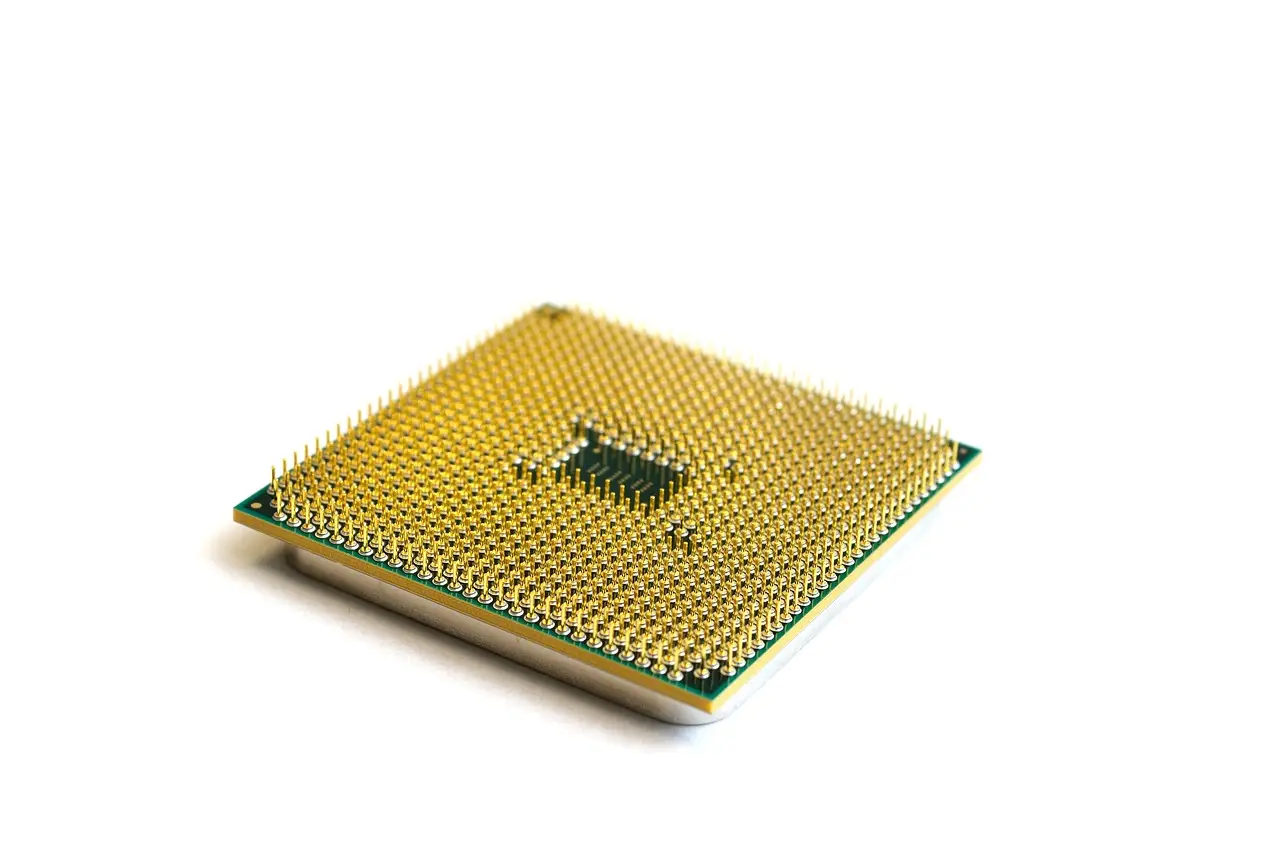
Intel expects a roughly $600 million revenue hit across two quarters from the deadly explosion at its Fab 28 near Kiryat Gat, Israel — the most disruptive semiconductor fab incident in recent memory. The blast, which killed two people and seriously injured one in mid-October, forced a full two-week shutdown of one of Intel's key 10nm-class manufacturing sites and will dent server processor shipments into early 2027.
"In Israel, we have been shut down for about two weeks," said Dave Zinsner, Intel's chief financial officer, on the company's earnings call. "We feel like we are going to be starting up production here by the end of this week."
What does the blast change for Intel's numbers?
The company projects the incident will cut Q4 2026 revenue by about $300 million, with a similar impact expected in Q1 2027. That's roughly the annual output of a mid-sized fab line compressed into a single-quarter loss — enough to matter, not enough to break the company. Intel also expects its fourth-quarter non-GAAP gross margin to drop by approximately 2%.
"Please note almost all of the $300 impact from Fab 28 is related to 10nm server products," Zinsner said.
The margin hit lands early because Intel is still sorting through its work-in-progress inventory. Zinsner expects most wafer write-offs — chips that were mid-fabrication when the explosion hit — to be booked in Q4 2026, even though the shipment disruption stretches into the new year.
Which processors are affected?
Fab 28 is one of Intel's facilities for 10nm-class and Intel 7 process technologies, and the fallout lands squarely on server silicon:
- Current Xeon 6 processors use Intel 3 compute dies, but their I/O dies are fabricated on Intel 7 (formerly 10nm Enhanced SuperFin).
- Intel still sells previous-generation Xeon 5 Emerald Rapids on Intel 7, and even Xeon 4 Sapphire Rapids — though orders for those stopped in late September.
- Intel has not identified which specific Xeon families take the hit, how many wafers were damaged, or when Fab 28 returns to full capacity after this Friday's restart.
Can other fabs pick up the slack?
Not really. Intel runs several 10nm-capable fabs — Fab 12, Fab 22, Fab 32 and Fab 42 in Arizona, plus Fab 28 itself — but the disruption arrives while the company already struggles to meet strong server demand. Intel has essentially exhausted its shuffling options.
Repurposing the lines that build Xeon 6 I/O dies to make older CPUs isn't on the table. Other sites may lack product-specific qualifications, and the time and cost of transferring production between fabs don't pencil out given Fab 28's imminent restart.
Could client CPUs be next?
Possibly. Intel hasn't said whether the shutdown also disrupts client processors built on Intel 7 — the node behind 12th, 13th and 14th Generation Core chips, including Raptor Lake. Nobody outside the company knows whether Fab 28 builds any of those parts, or whether Intel's other Intel 7 facilities could absorb the shortfall. If Fab 28 does run client silicon, some consumer processor availability could tighten as well.
For buyers of server hardware, the practical takeaway is simple: expect tighter Xeon supply through Q4 2026 and into Q1 2027, with previous-generation parts likely feeling the squeeze first.
via Tom's Hardware (Source)
More from Elena Vasquez
Show full bio
Senior reporter covering people, launches and day-to-day practice in hardware layer of artificial intelligence at Die Signal.
508 articles
Same lot · LOT-C204
- DSG-260514nmIntel puts Kiryat Gat explosion cost at $600 million
- DSG-429465nmIntel Shares Gain 1.58% as CEO Confirms Terafab Role
- DSG-238128nmIntel Shares Plunge 25% as AI-Driven Memory Shortage Squeezes PC Business
- DSG-78563nmExplosion at Intel Fab 38 in Israel Injures Three, Draws Hazmat Response
- DSG-542365nmMicron Posts Record $54.2B Quarter, Guides to $61.5B