Test report DSG-2644 · Rev E · tested October 30, 2026
Processors & AcceleratorsDevice under test
Intel's 30% Plunge Wipes Out $1 Trillion in Chip Market Cap in a Day
Intel's 30% single-day crash erased nearly $150 billion in market cap and dragged down the entire chip sector, with roughly $1 trillion in semiconductor value wiped out on Friday.
- Read
- 4 min
- Words
- 751
- Node
- 65nm
- Operator
- Elena Vasquez
Spec summary
- Intel shares fell 30% on Friday, losing ~$150 billion in market cap — its largest one-day loss ever
- Roughly $1 trillion in semiconductor market cap was wiped out sector-wide, per Benzinga intraday estimates
- SOX index dropped 9.14%, or 1,052.82 points, to 10,465.38 by 2:31 PM ET
- Nvidia's -5.66% decline equals ~$270 billion lost — more in dollar terms than Intel
- Intel's CCPG revenue was $8.1 billion in Q3 2026, down 5% year-over-year; Intel expects the PC market to decline 10% in 2027
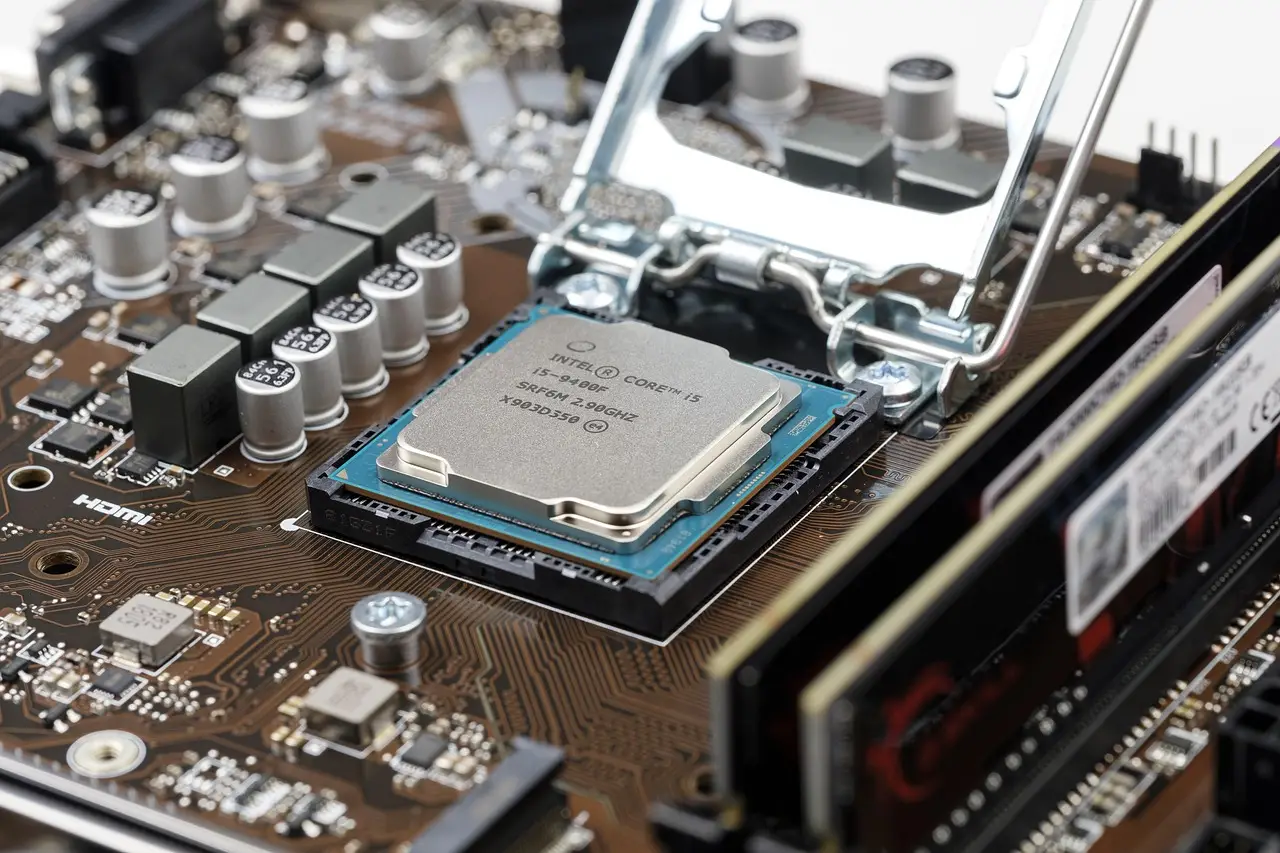
Roughly $1 trillion in semiconductor market capitalization evaporated on Friday, and Intel alone accounted for nearly $150 billion of it. Intel's shares plunged 30% — the largest single-day loss in the company's history — after a weak financial outlook that hinges on a more than 20% expected drop in sales at its client computing group (CCPG), the division that generates nearly half of Intel's revenue.
The damage spread fast. By 2:31 PM ET, the PHLX Semiconductor Sector Index (SOX), which tracks 30 major chip companies, had fallen 9.14%, or 1,052.82 points, to 10,465.38. Benzinga's intraday estimates put the sector-wide wipeout at about $1 trillion. That's the rough equivalent of erasing two Intels at their pre-crash valuation in a single session.
Who lost what?
Intel was the biggest percentage loser, but the rest of the sector didn't escape:
- Arm: -12.68%
- AMD: -12.48%
- Qualcomm: -12.14%
- Dell: -12.67%
- Applied Materials: -8.73%
- ASML: -8.13%
- Lam Research: -8%
- Micron: -7.28%
- Broadcom: -7.1%
- HPE: -8.10%
- Supermicro: -6.96%
- Oracle: -6.88%
- Nvidia: -5.66%
Here's the paradox practitioners should note: Nvidia's milder 5.66% decline translates to roughly $270 billion in lost market cap. In absolute dollar terms, Nvidia lost more than Intel did on Friday.
The selloff also reached server makers and cloud providers — Dell, HPE, Supermicro and Oracle all dropped between roughly 7% and 13%. Reuters reported that investors are increasingly questioning the scale of capital investment needed to expand AI infrastructure, and whether that spending is sustainable.
What's driving Intel's collapse?
The numbers behind the outlook are concrete. Intel's client computing and physical AI group generated $8.1 billion in Q3 2026 revenue, down 5% year-over-year and 9% sequentially. Client processor shipments fell 14% year-over-year, only partially offset by a 9% increase in average selling prices. CCPG accounts for nearly half of Intel's total revenue of around $16.5 billion and remains the company's main cash source.
Strong server processor demand softens the blow but doesn't cover it. Intel guided Q4 revenue to between $15 billion and $16 billion.
The picture gets worse from there. Intel expects the client market to deteriorate further in Q4 2026 and into 2027, as elevated memory prices and shortages of other components push PC prices up and demand down. The company forecasts the overall client PC market will decline 10% in 2027 versus 2026. Intel's data center business should keep growing next year, but industry-wide supply constraints will cap how much of that demand it can actually serve.
Why has 2026 been such a whiplash for Intel?
In mid-June, Intel hit its all-time-high market capitalization of $673.43 billion, driven by data center CPU sales, strong client product sales, and a return to profitability — excluding a $12.5 billion non-cash accounting charge tied to shares issued to the U.S. government.
Since then, capitalization has nearly halved to $338.91 billion, with $148.68 billion vanishing on Friday alone. The trigger: investors woke up to how exposed Intel's CCPG is to memory prices, since customers and businesses don't buy overpriced systems. One offset: with fewer client processors to sell, Intel can push more expensive data center CPUs.
Why did Apple barely move?
Apple fell just 1.66%, despite selling only client products. The likely read: investors see Apple as better insulated from memory prices than Intel. Ironically, if you count the A-series SoCs in iPhones — which tend to outperform mainstream laptop CPUs — Apple ships substantially more processors than Intel, making it the world's largest microprocessor supplier.
The distinction comes down to business models. Intel sells processors to PC makers; Apple designs its own silicon and captures revenue from the entire device. And their demand cycles differ — Intel leans on the PC market, while Apple rides the smartphone replacement cycle. Rising memory prices affect both, but not to the same extent or on the same timeline. There's an extra irony here: Apple is a major TSMC customer, so its supply chain overlaps with AMD, Intel, and the other chipmakers whose shares just fell hard.
The takeaway for the market isn't that investors abandoned companies that design or use semiconductors. They're questioning the profitability and growth prospects of these high-tech firms — and viewed through that lens, Friday looks like repricing, not panic.
via Tom's Hardware (Source)
More from Elena Vasquez
Show full bio
Senior reporter covering people, launches and day-to-day practice in hardware layer of artificial intelligence at Die Signal.
508 articles
Same lot · LOT-C204
- DSG-238128nmIntel Shares Plunge 25% as AI-Driven Memory Shortage Squeezes PC Business
- DSG-41435nmGlobal chip stocks slide as investors doubt AI spending spree
- DSG-22543nmTSMC Slides 3% Despite Record Quarterly Profit
- DSG-658020nmIntel's Fab 28 Explosion to Cost $600 Million and Stall Server Chips
- DSG-93405nmElon Musk confirms TSMC talks; Intel shares fall 4%