Test report · tested November 27, 2026
AI Datacenter InfrastructureDevice under test
IndexBox Forecasts 8-12% CAGR for Optical Transmitters Through 2035
IndexBox sets a 10.0% baseline CAGR for optical transmitters over 2026-2035, lifting a market index from 100 in 2025 to about 230. Data centers lead demand.
- Read
- 4 min
- Words
- 845
- Segment
- AI Datacenter Infrastructure
- Operator
- Amara Osei
Spec summary
- IndexBox forecasts 8-12% CAGR for the global optical transmitters market from 2026 to 2035, with a 10.0% baseline.
- The baseline index reaches roughly 230 by 2035 from 100 in 2025 — a bit more than double.
- Data center and cloud networking is the largest and fastest-growing end-use segment.
- The extract contains no dollar value, unit volumes, regional shares, company rankings or executive quotes.
- The 8% and 12% edges differ by about 77 index points over nine years.
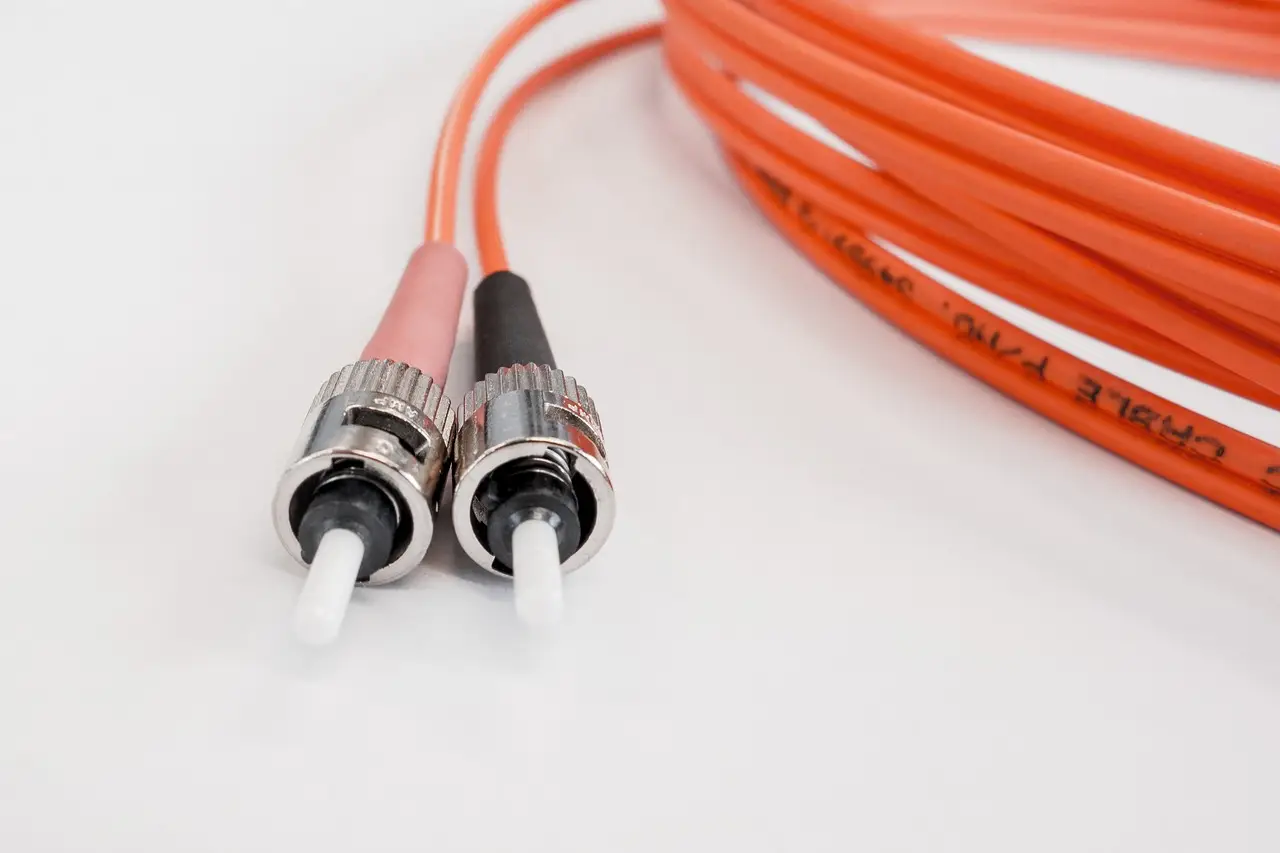
IndexBox projects the global optical transmitters market to grow at a compound annual rate of 8-12% from 2026 to 2035, with a baseline of 10.0% that lifts a market index from 100 in 2025 to roughly 230 by 2035. The research outlet, publishing under the title "Optical Transmitters Market Forecast to 2035: Data Center Demand Supports 8-12% CAGR," names data center and cloud networking the largest and fastest-growing end-use segment.
The forecast names three demand drivers:
- Hyperscale data centers, the segment IndexBox singles out as largest and fastest growing.
- 5G transport networks, where fiber carries antenna-to-core traffic.
- Fiber-to-the-home (FTTH) build-outs, the steady third pillar.
The release lands while cloud operators race to secure power, land and network capacity. In Tokyo, JERA is reportedly in talks with five tech firms over data centre supply. Every campus needs thousands of fiber links, and every link starts with a transmitter.
What does the 10.0% baseline mean in practice?
A 10.0% CAGR compounds to a market roughly double its starting size in a little over seven years. Over the full 2026-2035 window, the baseline leaves the market at well over twice its 2025 level. IndexBox expresses that as an index near 230 rather than in dollars, so the forecast gives the shape of growth without an absolute size to anchor it.
A back-of-envelope check of the arithmetic shows why "approximately" carries weight. Compounding 10% for nine years from a base of 100 gives about 236; eight years gives about 214. The IndexBox figure of roughly 230 falls between the two, so the outlet likely uses a different base-year convention or rounds the result. Treat 230 as a rounded marker for "a bit more than double," not a precise target.
At the edges of the range, the spread is large. Applying 8% for nine years to a 2025 base of 100 yields an index near 200; 12% yields about 277. Four points of annual growth open a gap of roughly 77 index points over nine years. A supplier that plans for the low case and meets the high one runs short of capacity; the reverse leaves idle factories.
Why do data centers lead?
IndexBox describes optical transmitters as devices that convert electrical signals into modulated light for fiber-optic transmission. Servers, switches and radios work in electrical signals; fiber carries light. The transmitter bridges the two at the sending end of every link, so its demand tracks the number of fiber links an operator lights up.
Recent spending shows the pressure behind the segment. In Australia, business capex jumped 12.2% on the data centre rush, the biggest move since 2011. In the United States, Goldman projected 52 GW of data center load by 2028. Neither story is about optics directly, yet both describe buildings that will need optical links by the tens of thousands.
Inside a facility, transmitters connect servers to top-of-rack switches, switches to spine layers and clusters to one another. GPU clusters push operators toward more optical links per rack than traditional enterprise workloads. The IndexBox extract does not cite AI by name, so this remains context rather than a confirmed driver.
The other two pillars behave differently. 5G transport buying follows carrier rollout schedules, spectrum auctions and regulatory timelines, producing steadier demand. EE's AI upgrade with Ericsson lifted London 5G download speeds by 26%, a reminder that gains at the radio edge push demand back toward the fiber layer. FTTH rolls out street by street over years, giving suppliers a long and predictable order book.
What is missing from the forecast?
The available extract gives no dollar value for the market, no unit shipment volumes, no regional shares and no product specifications. It names no market participants and carries no on-record quotations from named executives. A forecast without a supplier map describes demand but not supply; demand can grow 10% a year while supplier profits swing on pricing, yield and design wins.
Buyers qualify parts against strict performance and reliability tests, and big operators often split orders across several suppliers. Hyperscale buyers negotiate hard and buy at scale, telecom buyers weigh standards compliance, and FTTH buyers focus on cost per line. A single market figure hides three separate contests.
For network teams, three actions follow from the numbers:
- Lock in multi-quarter supply agreements before big cluster launches.
- Qualify more than one transmitter source so a single shortage cannot stall a build.
- Model link counts per rack early, since optical spend scales with topology choices.
Risks could bend the curve toward 8% or below: cloud capex slowing on disappointing AI returns, power availability delaying campus openings, and tariffs raising component costs. On the upside, faster adoption of high-speed links in AI clusters could pull demand toward the 12% edge. IndexBox discusses none of these in the extract.
The direction is clearly up, the range is 8-12%, and cloud networking leads the way. Everything else — market size, suppliers, winners — still needs a second source.
via shattered.io (Source)
More from Amara Osei
Show full bio
Staff writer covering money, funding and market shifts around hardware layer of artificial intelligence at Die Signal.
814 articles
Same lot
- SpaceX Orbital Data Center Model Points to 150x Launch Emissions Rise
- Fortress Launches Modular In-Line Amplifier Platform for Fiber Operators
- Jeffries: Hyperscalers Will Build 68% Less Than Planned in 2030
- Tata Communications Plans $450M AI Fiber Build in India
- Verizon signs $2bn-plus AWS AI infrastructure deal