Test report DSG-7205 · Rev F · tested October 16, 2026
Foundries & ManufacturingDevice under test
Samsung Sets November Groundbreaking for Second Texas Fab
Samsung will break ground on its second Texas chip fab in November, DigiTimes reports, extending its Austin-area footprint amid the U.S. fab build-out race.
- Read
- 2 min
- Words
- 423
- Node
- 5nm
- Operator
- Elena Vasquez
Spec summary
- Samsung plans to break ground on its second Texas fab in November.
- The company already operates one fab in the Austin area.
- The expansion intensifies the U.S. fab race alongside TSMC and Intel.
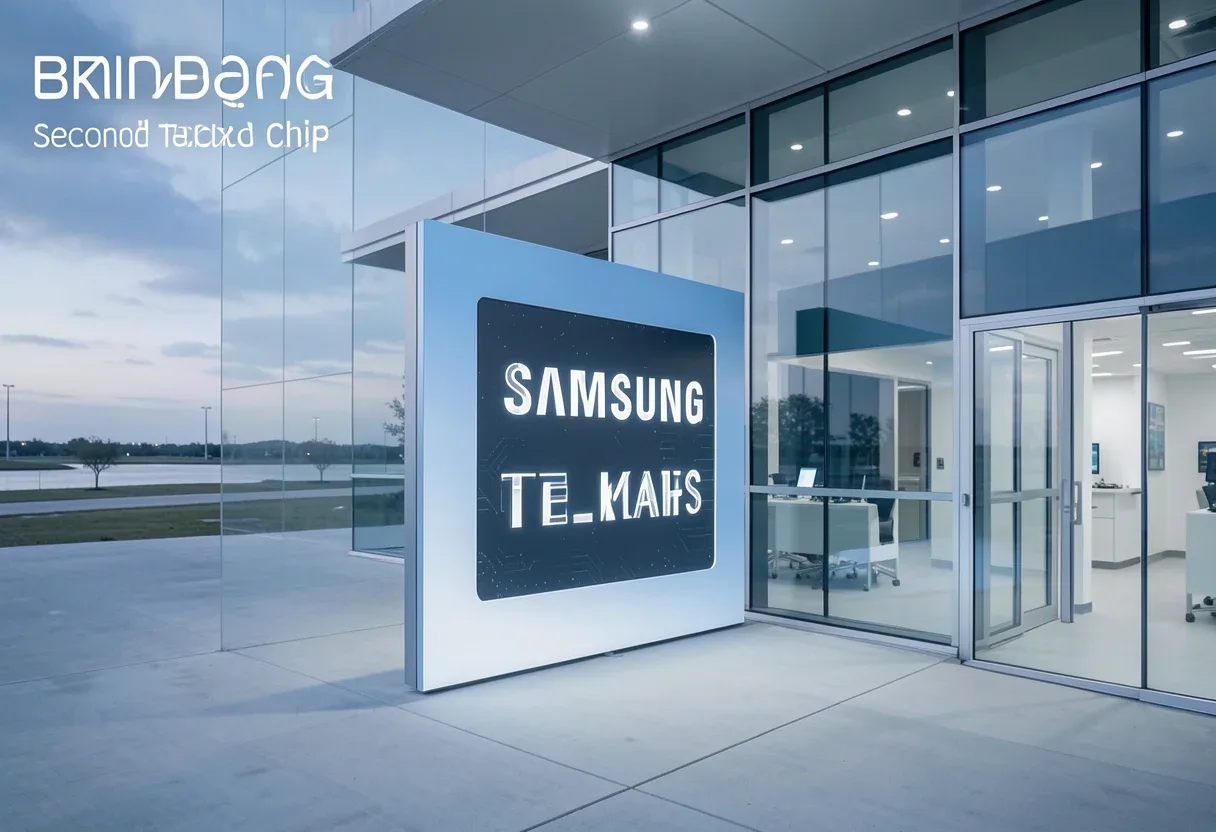
Samsung plans to break ground on its second Texas chip fabrication plant in November, according to DigiTimes. The move signals the company's next concrete step in expanding its U.S. manufacturing footprint beyond the facility it already operates in the Austin area.
For chip buyers and supply-chain planners, a new Samsung fab on American soil matters because it adds stateside capacity at a time when Washington is pushing hard for domestic semiconductor production. Groundbreaking in November means the plant itself is still years from output, but the commitment now moves from boardroom talk to construction schedule.
What does the second fab change for the industry?
Texas has become one of the busiest corners of the U.S. semiconductor build-out. Samsung already runs one fab in Austin, and a second plant roughly doubles the company's stake in the region's chip economy.
That scale matters for customers. More fab capacity in one geographic cluster shortens supply lines for U.S.-based buyers and gives Samsung room to run more advanced process nodes closer to American customers. It also puts Samsung in direct competition with other heavyweights — notably TSMC, which is building its own Arizona complex, and Intel, which is expanding across multiple states.
Groundbreaking timing is the concrete fact here. Everything downstream — equipment move-in, pilot production, volume output — follows from that November start, though Samsung hasn't publicly attached dates to those milestones yet.
Why Texas, and why now?
Samsung's Austin operation has been running for years, so the company already has the basics in place: a trained workforce, local supplier relationships, and utility connections. Adding a second fab on familiar ground cuts construction and ramp risk compared with starting fresh in a new state.
The timing also tracks with U.S. industrial policy. Federal incentives have pushed chipmakers to commit domestic capacity, and Samsung has been among the majors expanding its American footprint accordingly. A November groundbreaking keeps that expansion on a visible, bankable schedule.
What's still unknown?
The DigiTimes report confirms the groundbreaking month but leaves key commercial questions open. Samsung hasn't detailed in this report which process technologies the second fab will run, what capacity it targets, or when it expects first wafers out the door.
Those gaps are normal at this stage — companies typically lock in node and customer commitments closer to equipment installation. For now, practitioners can anchor on one date: shovels hit the ground in November, and the U.S. fab race gets another entrant moving from plans to concrete.
via Google News: Semiconductor foundry (Source)
More from Elena Vasquez
Show full bio
Senior reporter covering people, launches and day-to-day practice in hardware layer of artificial intelligence at Die Signal.
414 articles
Same lot · LOT-C1CC
- DSG-772020nmTSMC Reportedly Evaluates Texas Fab Sites Amid US Competition
- DSG-204265nmTSMC Eyes Texas for Next Wave of US Chip Production
- DSG-918320nmTSMC Eyes Texas for Second U.S. Chip Fab, WFAA Reports
- DSG-555228nmTSMC Reportedly Eyes Texas for Second US Chipmaking Hub
- DSG-737514nmSamsung to Start Building Second Taylor Chip Plant Next Month