Test report DSG-3337 · Rev F · tested November 16, 2026
Memory & StorageDevice under test
DRAM price-fixing case against Micron, Samsung, SK hynix survives dismissal
Judge Noël Wise denied Micron, Samsung and SK hynix's motion to dismiss a DRAM price-fixing class action, calling alleged collusion 'hawks flying in formation.' Responses due December 7.
- Read
- 3 min
- Words
- 638
- Node
- 20nm
- Operator
- Priya Raman
Spec summary
- Judge Noël Wise denied the motion to dismiss on a suit alleging DRAM collusion after prices rose up to 500% in one year.
- Plaintiffs are 17 individuals and small businesses citing simultaneous production cuts from October 2022 to April 2023.
- Defendants must respond to the complaint by December 7; case management conference set for January 2027.
- Judge Wise wrote the alleged conduct resembled 'hawks flying in formation — an activity that hawks ordinarily do not do.'
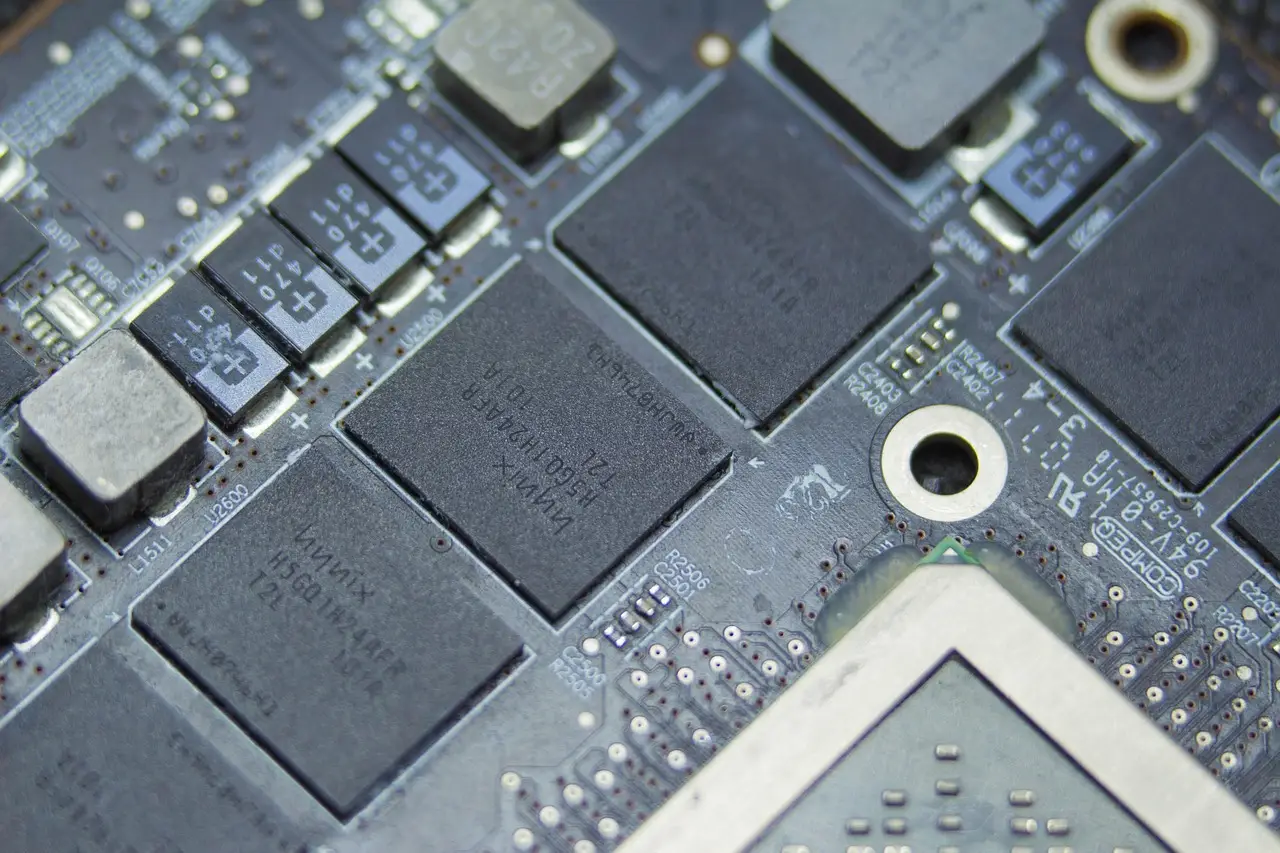
A US judge has denied Micron, Samsung and SK hynix's motion to dismiss a proposed class-action lawsuit alleging DRAM price-fixing, finding the plaintiffs' collusion theory plausible after DRAM prices rose by as much as 500% in one year. The ruling, issued by Judge Noël Wise, is not a finding of guilt. It means the case proceeds to evidence and argument.
The defendants had argued the suit was merely "a rerun" of a 2018 antitrust case against the same industry. Judge Wise rejected that framing. The plaintiffs, she found, have produced new evidence suggesting coordination among the three largest memory manufacturers.
What did the judge actually say?
The chipmakers told the court they watch each other vigilantly because competition in the DRAM market (dynamic random-access memory, the workhorse chip in PCs and servers) is fierce. Judge Wise dismissed that characterization. Quoting her decision: "Their contentions are more akin to hawks flying in formation — an activity that hawks ordinarily do not do."
The metaphor is the heart of the order. Parallel behavior in a concentrated market can be innocent. The judge concluded the plaintiffs had alleged enough to suggest something more organized than independent rivalry. That is a low evidentiary bar at this stage, and the order itself notes it does not establish liability.
What conduct do the plaintiffs allege?
The suing parties are 17 individuals and small businesses. They allege four parallel moves that restricted DRAM supply and produced the current shortage:
- "Simultaneous DRAM production cuts" from October 2022 to April 2023, followed quickly by a "coordinated pivot to HBM" (high-bandwidth memory, the category used in AI accelerators).
- The winding down of DDR4 production announced by all three companies within a three-month span.
- A failure to expand capacity "despite these extraordinary prices — the single most powerful supply signal the DRAM industry has ever produced," in the plaintiffs' words.
- Stringent customer vetting procedures introduced during the shortage, plus refusals to sign long-term DRAM contracts.
The complaint also cites Micron's decision to shut down Crucial, its consumer memory brand, multiple public statements projecting the shortage, and the three companies' involvement in previous price-fixing scandals.
How did the defendants respond?
Micron, Samsung and SK hynix argued every cited action was a rational revenue-maximizing decision during a period of strong demand, and therefore "consistent with [their own] independent self-interest." They further contended that a highly concentrated market produces similar behavior because all three are "reacting to the same market pressures," making similar responses unsurprising.
That argument has a sound economic basis — oligopolists often move in tandem without conspiring. The judge nonetheless found the plaintiffs' alternative explanation plausible enough to warrant discovery and trial. The gap between "plausible" and "proven" remains wide, and both sides must still present evidence before the court reaches any decision.
What happens next?
The three companies have until December 7 to respond to the original complaint. A case management conference, which will settle administrative matters for the litigation, is scheduled for January 2027.
The timeline is slow by the standards of the DRAM market, where pricing can double within quarters. Buyers who paid the inflated prices of the shortage years will wait years more for any remedy, and the defendants may yet prevail on the merits or settle without admitting wrongdoing.
For the industry, the immediate effect is procedural rather than commercial. Nothing in the order compels changes to production, pricing or HBM allocation. The risk is longer-term: if discovery surfaces internal communications matching the plaintiffs' theory, the exposure would extend across the entire 500%-surge period alleged in the complaint.
Judge Wise's order also carries precedential weight for future antitrust claims in concentrated chip markets, where proving coordination has historically been difficult because the standard defense — shared market pressures, parallel incentives — is often genuinely true.
via tomshardware.com (Source)
More from Priya Raman
Show full bio
Correspondent covering money, funding and market shifts around hardware layer of artificial intelligence at Die Signal.
661 articles
Same lot · LOT-362C
- DSG-19117nmDRAM Antitrust Suit Alleges Price Fixing Amid AI Memory Boom
- DSG-57423nmSamsung, SK hynix and Micron Must Face DRAM Price-Fixing Suit
- DSG-72787nmDRAM Price-Fixing Suit Survives: Judge Weighs 697% Claim
- DSG-33097nmAnalysts call Samsung, SK hynix sell-off excessive as memory outlook holds
- DSG-56705nmNetlist HBM Import Complaint Filed on Eve of Micron Earnings