Test report DSG-2413 · Rev F · tested November 11, 2026
AI Datacenter InfrastructureDevice under test
Deutsche Bank Lifts SpaceX 2028 Forecast $18 Billion on Compute Scarcity
Deutsche Bank lifted its SpaceX 2028 EBITDA forecast by $18 billion to $237.1 billion, betting compute stays scarce. Musk warned the price cuts both ways.
- Read
- 4 min
- Words
- 848
- Node
- 5nm
- Operator
- Priya Raman
Spec summary
- Deutsche Bank raised SpaceX 2028 EBITDA forecast by $18 billion to $237.1 billion on Nov. 10.
- Musk wrote on Nov. 8 that SpaceX revenue "will drop" if compute becomes plentiful and cheap.
- Voters backed data-center limits in 40 of 41 local ballot contests, per Ballotpedia.
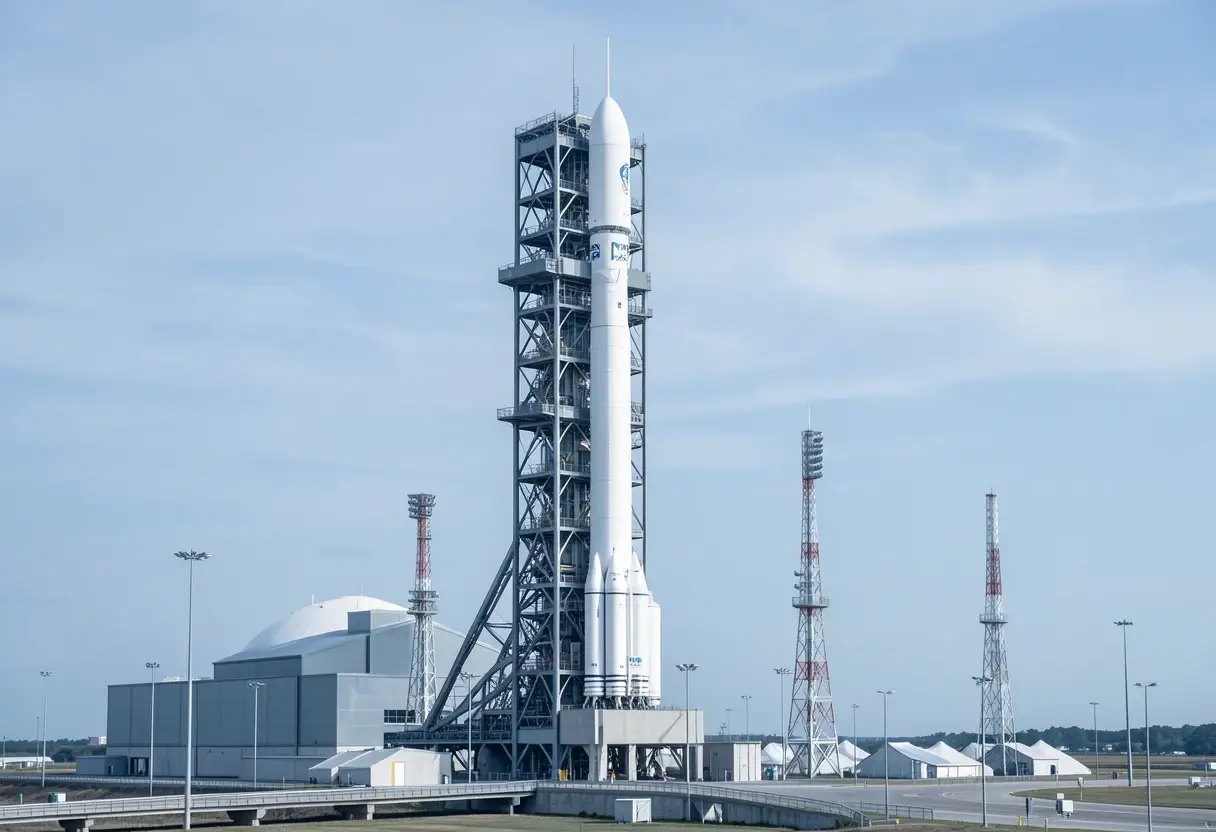
- Starship Flight 15 launches Nov. 13 and attempts the first tower catch of a ship.
- SpaceX Q3 revenue was $14.575 billion, up 161% year over year.
By Priya Raman
Deutsche Bank raised its 2028 SpaceX EBITDA forecast by $18 billion to $237.1 billion on Tuesday, two days after Elon Musk wrote that company revenue "will drop" if compute becomes cheap. The analyst's bet rests on scarcity. Musk's own words set the limit on it.
Musk posted on X on the evening of Nov. 8, responding to a clip of investor Chamath Palihapitiya arguing SpaceX could cancel its Anthropic compute contract on 90 days' notice and re-sign at double the price. "It works both ways, of course," Musk wrote. "If compute becomes plentiful and cheap, SpaceX revenue will drop. No crying in the casino for either party."
What does the bank expect?
Analyst Edison Yu told clients the casino tilts SpaceX's way. Voters backed limits on data-center development in 40 of 41 local ballot contests last week, by Ballotpedia's count. Texas Governor-elect Gina Hinojosa has pledged to halt new approvals until the legislature sets protections for electricity costs and water.
Yu expects that pressure to slow construction, mainly in 2028, keeping computing capacity scarce and rental prices higher for longer. He raised his EBITDA forecast by $18 billion to $237.1 billion and his revenue forecast by $18.7 billion to $315.3 billion. He kept a Buy rating and a $250 price target.
Two caveats follow. Deutsche Bank left the contract repricing out of its numbers, and it notes SpaceX's own $24 billion gas plant and computing site in Texas faces the same approval freeze that would help its existing capacity. Musk says the price cuts both ways, in writing.
What has the stock done since the IPO?
SpaceX sold 555,555,555 Class A shares at $135 on June 11 and opened at $150 on June 12. The stock closed its first day at $160.95, hit a record close of $201.80 on June 16, and fell to a low close of $108.27 on Aug. 5. It dropped to $123.62 on Nov. 5 after the midterm results, then closed Tuesday at $143.09, up 0.7%.
That leaves the shares 6% above the IPO price and 29% below the June record. The market value sits at about $1.9 trillion. Of 39 analysts in Fuse's count, 31 rate the stock a buy, 6 a hold and 2 a sell, with an average target of $255, roughly 78% above Tuesday's close.
The third-quarter report behind those targets showed:
- Revenue of $14.575 billion, up 161% year over year
- Net income of $4.4 billion
- Capital spending of $19.593 billion, more than the quarter's revenue
- 1.7 gigawatts of computing capacity at the end of September, with 2.5 to 3 gigawatts expected by year end
Trailing twelve-month revenue is $32 billion. The 2028 forecast of $315.3 billion is nearly ten times that figure.
What does a day-one position look like?
Consider a retiree who bought 1,000 shares on June 12 at $161, a mid-range fill on a day the stock traded between $149.34 and $176.52. His numbers come from the price history.
| Date | Price | 1,000 shares | Against $161,000 cost |
|---|---|---|---|
| June 12 purchase | $161.00 | $161,000 | $0 |
| June 16 record | $201.80 | $201,800 | +$40,800 |
| Aug. 5 low | $108.27 | $108,270 | -$52,730 |
| Nov. 5 selloff | $123.62 | $123,620 | -$37,380 |
| Nov. 10 close | $143.09 | $143,090 | -$17,910 |
| Bank's target | $250.00 | $250,000 | +$89,000 |
He was up $40,800 four days in. He was down $52,730 in August. He is down $17,910 now, an 11% loss, after gaining $19,470 since Nov. 5. A sale before June 12, 2027 books a short-term loss; the loss offsets gains first, then cuts ordinary income by up to $3,000 a year, worth $660 in the 22% bracket. Buying back within 30 days disallows the loss, per IRS Publication 550.
At a $2.4 million portfolio, the position is 6.0% today. It can fall to zero without ending the retirement. The $250 target would add $106,910, about 4.5% to the whole portfolio.
What does Friday add?
Starship Flight 15 opens its launch window Friday, Nov. 13, at 5:45 PM Eastern, pending the FAA license. Booster 22 returns to the tower about six and a half minutes after liftoff. Ship 42 goes to orbit, releases 26 Starlink V3 satellites, and roughly 22 hours later attempts the first tower catch of a ship. On the Oct. 20 earnings call Musk called a successful ship catch "more likely than not." On Nov. 6 he wrote that if both catches work, "it will mark the first time that all parts of an orbital rocket return to Earth intact."
The stock trades at 46 times forward earnings in Fuse's data. If the data-center backlash fades, or Anthropic and Alphabet find cheaper capacity, the scarcity Yu counts on disappears. Musk has already stated in writing what happens to revenue then.
via 247wallst.com (Source)
More from Priya Raman
Show full bio
Correspondent covering money, funding and market shifts around hardware layer of artificial intelligence at Die Signal.
573 articles
Same lot · LOT-3627
- DSG-212465nmSpaceX says it closed $40 billion in GPU debt financing
- DSG-212620nmSpaceX's $24B Texas AI supercomputer heads to December hearing
- DSG-83345nmSpaceX Targets 10 GW of Data Center Capacity in 2027
- DSG-19885nmTexas Anchors Musk’s $1 Trillion Chip Manufacturing Plan
- DSG-869520nmGoogle to Pay SpaceX $920 Million Monthly for xAI Compute Capacity