Test report DSG-3599 · Rev B · tested October 20, 2026
AI Datacenter InfrastructureDevice under test
Datacentre CPU Growth Now Outpaces GPUs and ASICs
Datacentre CPU growth has overtaken both GPUs and ASICs, per Electronics Weekly — a reversal with real implications for server refresh cycles, cooling loads and licensing costs.
- Read
- 3 min
- Words
- 577
- Node
- 7nm
- Operator
- Elena Vasquez
Spec summary
- Datacentre CPU growth now outpaces growth in GPUs and ASICs, Electronics Weekly reports
- The finding reverses the accelerator-first growth pattern that has dominated datacentre procurement
- Growth-rate leadership does not imply CPUs ship in greater absolute volumes than accelerators
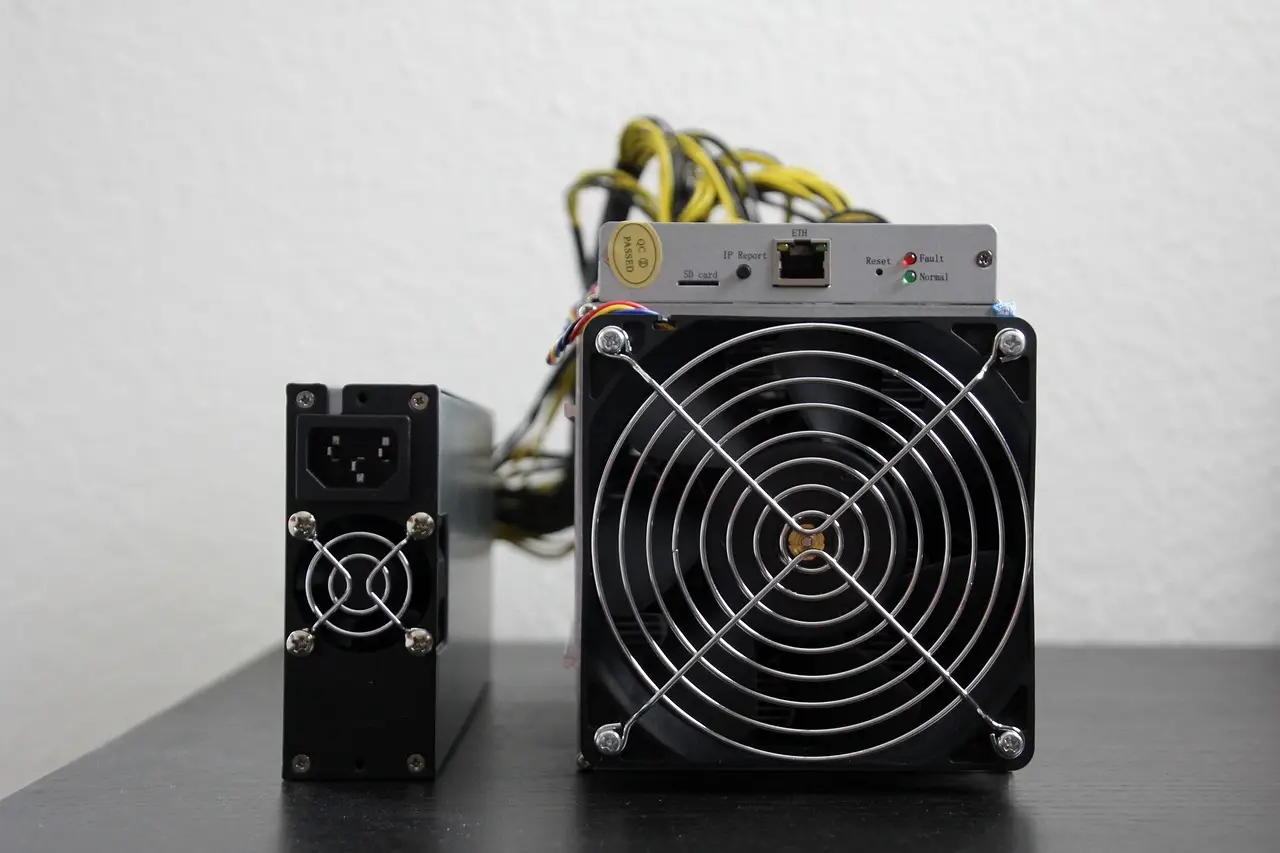
Datacentre CPU growth has overtaken the growth rates of both GPUs and ASICs, according to Electronics Weekly — a reversal of the narrative that's dominated infrastructure planning since the AI build-out began.
For the past few years, the assumption in most procurement roadmaps has been simple: accelerators grow fastest, CPUs ride along. That assumption no longer holds. If CPUs are now expanding faster than GPUs and ASICs in the datacentre segment, the implications reach into server designs, thermal budgets and refresh cycles across the board.
It's worth being clear about what the headline does and doesn't say. This is a story about growth rates, not absolute volumes. GPUs and ASICs can still represent a large — even dominant — share of datacentre compute shipments while growing more slowly than CPUs. A big base grows slower; a smaller, refreshed base can post a higher percentage. Practitioners reading procurement tea leaves should keep that distinction front of mind.
What does faster CPU growth change for buyers?
Several practical consequences follow if the trend holds.
- Socket and platform planning shifts. Server SKU refreshes that were deprioritised in favour of accelerator racks move back up the queue. -- Thermal and power design rebalances. CPU-heavy racks behave differently from GPU-dense ones, and facilities teams will notice it in cooling loads first.
- Software licensing gets revisited. Plenty of enterprise licensing is still per-core, so a faster-growing CPU base changes cost models more directly than accelerator counts do.
- Interconnect and memory demand follows the CPU. More general-purpose sockets means more demand for the memory channels, NICs and storage paths that hang off them.
For system integrators, the mix change matters as much as the magnitude. A build that was 80% accelerator-led and 20% CPU-led shifts even a few points toward CPUs, and suddenly the bill of materials, supplier lead times and margin profile look different.
Why would CPUs be growing faster now?
The headline doesn't break down drivers, but the plausible mechanics are familiar to anyone tracking the segment. Accelerator deployments are lumpy — tied to hyperscaler capex cycles and large AI training programmes — while CPU demand moves with the broader installed base: virtualisation refreshes, general enterprise workloads, database and transaction processing that never left the general-purpose tier.
There's also an arithmetic effect worth naming for readers who plan on spreadsheets. When a category has already scaled enormously, as GPUs have, each additional deployment adds a smaller percentage to the total. CPUs, growing from a steadier base, can post stronger relative growth without anyone shipping fewer accelerators. Growth-rate comparisons reward the smaller mover.
What should practitioners watch next?
The signal to track is whether this holds across consecutive reporting periods. One quarter or one year of faster CPU growth can be a capex-timing artefact — a hyperscaler pausing accelerator orders while general-purpose refreshes continue on schedule. Two or more periods of the same pattern would point to a structural rebalancing of datacentre compute.
Component-level demand is the leading indicator. If CPU-adjacent orders — server platforms, DIMMs, motherboard-level components — firm up while accelerator-adjacent supply chains plateau, the trend has legs. If the reverse happens, treat this as a pause in the accelerator story rather than a chapter change.
For now, the data point stands on its own: general-purpose processors are the fastest-growing category in the datacentre, and that's not a sentence anyone has been able to write recently.
via Google News: GPU datacenter (Source)
More from Elena Vasquez
Show full bio
Senior reporter covering people, launches and day-to-day practice in hardware layer of artificial intelligence at Die Signal.
462 articles
Same lot · LOT-C1E5
- DSG-299428nmAlternative silicon is reshaping how datacentres get designed
- DSG-595728nmServer Prices Rise Up to Fourfold as AI Demand Strains Memory Supply
- DSG-489028nmNvidia Closes In on $6 Trillion Market Cap on AI Chip Demand
- DSG-88553nmAMD Plans A Big Chip Supply Increase Next Year
- DSG-11615nmGPU Supply Loosens, Data Centers Emerge as New Bottleneck