Test report DSG-2275 · Rev D · tested October 10, 2026
Memory & StorageDevice under test
Counterpoint Research: DRAM Prices Set to Rise Again on Agentic AI Demand
Counterpoint Research expects DRAM chip prices to rise again as agentic AI workloads grow, tightening memory supply across server and device markets.
- Read
- 2 min
- Words
- 385
- Node
- 65nm
- Operator
- Grace Kim
Spec summary
- Counterpoint Research expects DRAM chip prices to rise again.
- Agentic AI growth is cited as the demand driver behind the forecast.
- The forecast was reported by GamesBeat.
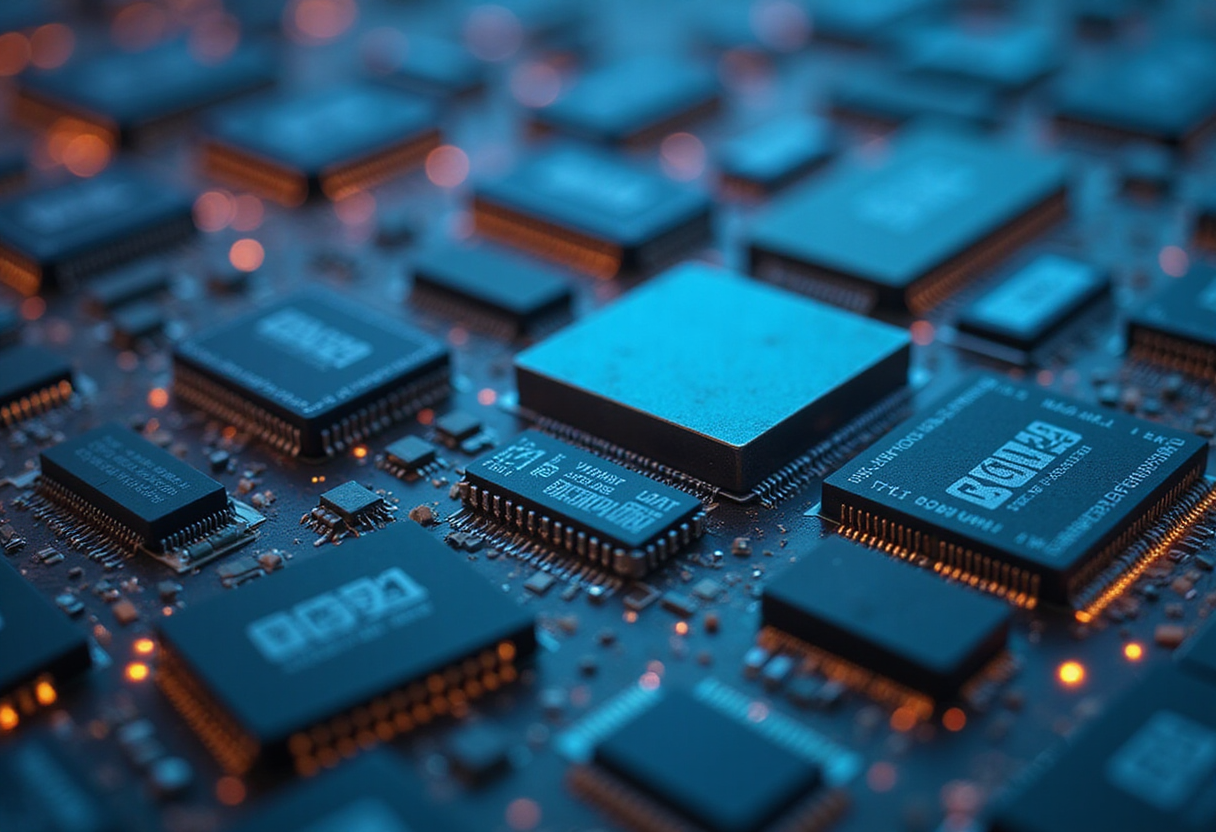
DRAM chip prices are expected to rise again as agentic AI workloads grow, according to Counterpoint Research analysis reported by GamesBeat.
The forecast marks the latest turn in a memory market that has swung repeatedly between shortage-driven price spikes and inventory-led corrections. This time, the driver is not smartphones or PCs but a new class of software: AI agents that operate autonomously, chain together multiple model calls, and sustain far higher compute and memory utilization than conventional applications.
Why does agentic AI affect DRAM pricing?
Agentic AI systems differ from one-shot chatbot queries in a way that matters directly for memory suppliers. An agent may run continuously, retrieve context, call tools, and process intermediate results across long sessions. That pattern increases demand for the memory subsystems attached to AI servers — both the high-bandwidth memory sitting next to accelerators and the conventional DRAM that feeds CPUs handling orchestration, retrieval, and storage tiers.
When millions of such agents run in production data centers, memory consumption scales with workload persistence rather than with user query counts. Suppliers reading the same tea leaves as Counterpoint Research can be expected to allocate fab capacity accordingly — tightening supply for other DRAM buyers.
Who pays the difference?
The buyers most exposed to another DRAM price increase include:
- Server and data center operators building out AI infrastructure
- PC and smartphone OEMs, who compete for the same fabrication output
- Automotive and industrial customers, whose longer design cycles make sudden component cost moves harder to absorb
- Cloud providers passing component costs through to enterprise customers
Historically, DRAM pricing moves in this pattern have translated into higher bills of materials within one to two product cycles. Whether OEMs absorb the cost or pass it to end customers depends on the segment; premium device categories typically pass it through faster.
What happens next?
Counterpoint Research's projection that DRAM prices will rise again places agentic AI among the structural demand drivers that memory suppliers now plan around, alongside conventional server buildouts and device refresh cycles. Buyers procuring memory over the coming quarters will watch whether the forecast materializes in contract prices and whether suppliers respond by shifting capacity toward AI-grade memory products.
Die Signal will continue to track DRAM contract pricing and supplier capacity announcements as the agentic AI deployment cycle develops.
via Google News: DRAM chip (Source)
More from Grace Kim
Same lot · LOT-C1C6
- DSG-698228nmMicron Earnings: AI Chip Demand Drives Fresh Memory Boom
- DSG-555310nmAI Server Demand Drives DDR5 Module Prices Up Fivefold in 10 Months
- DSG-530165nmAnalyst Firm Warns RAM Shortage Could Deepen Sharply by 2027
- DSG-161214nmAI Demand for HBM Pushes Ordinary RAM Prices Above Cutting-Edge Chips
- DSG-31465nmMicron Q3 Results: AI Demand, HBM Gains, Supply Limits Frame Outlook