Test report DSG-5301 · Rev B · tested September 29, 2026
Memory & StorageDevice under test
Analyst Firm Warns RAM Shortage Could Deepen Sharply by 2027
Analysts warn the RAM shortage will intensify through 2027 as AI infrastructure consumes memory capacity, tightening supply for PC and device makers.
- Read
- 2 min
- Words
- 464
- Node
- 65nm
- Operator
- Priya Raman
Spec summary
- Analyst firm projects the RAM shortage could worsen significantly by 2027
- AI infrastructure ramp-up is identified as the primary driver of memory supply tightening
- PC and consumer electronics makers face reduced DRAM allocation as AI buyers absorb capacity
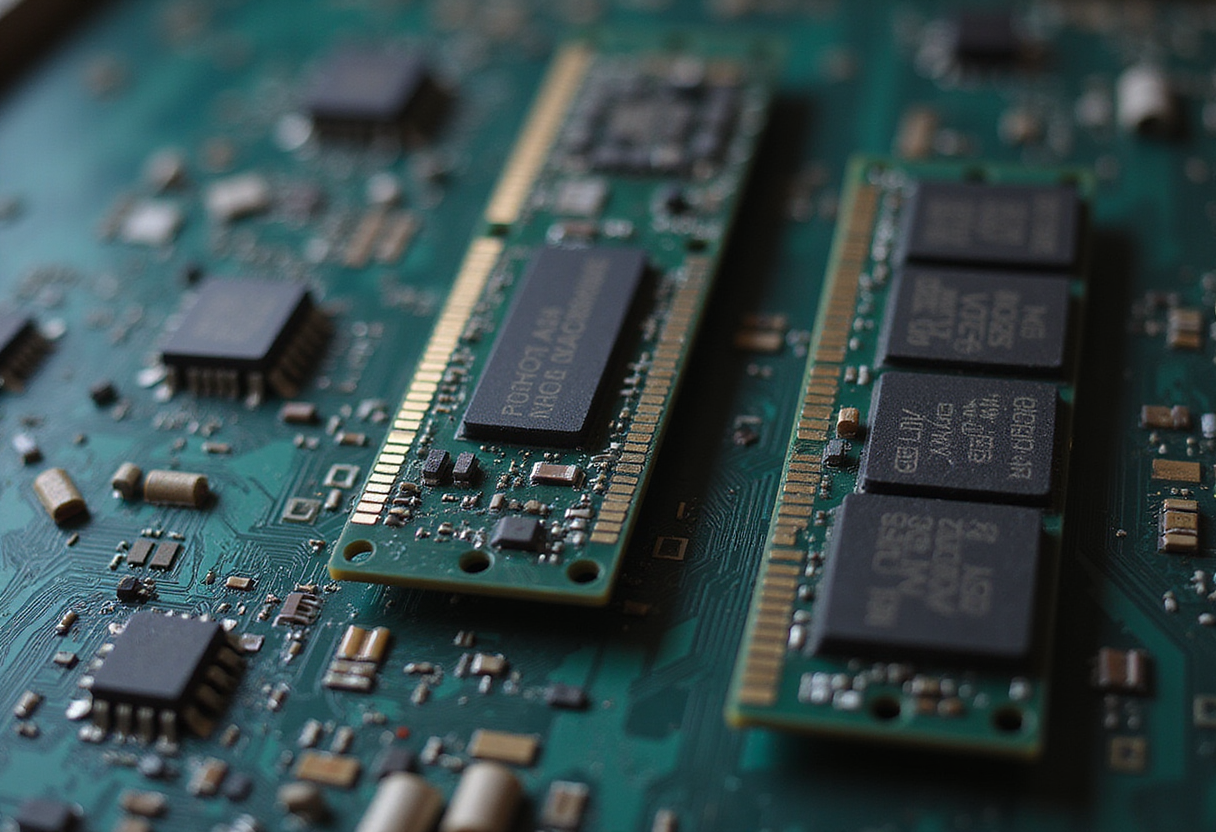
An analyst firm has issued a stark warning about the memory chip market: the current RAM supply crisis is on track to intensify, and conditions could become considerably worse by 2027. The firm's assessment, reported by TechRadar, places responsibility for the tightening market primarily on the accelerating ramp-up of artificial intelligence infrastructure.
"The memory chip market is heading toward a severe shortage," the analysts state in their assessment. The projection goes beyond the constraints already visible today, indicating that supply pressure will persist and likely deepen over the next several years rather than ease as new fabrication capacity comes online.
The core driver, according to the analysis, is AI. Data center operators and hyperscalers are consuming DRAM at rates that memory manufacturers did not anticipate even in recent planning cycles. High-bandwidth memory and conventional DRAM allocations are increasingly diverted toward AI accelerators and server platforms, leaving less capacity available for traditional buyers — PC makers, smartphone vendors, and consumer electronics manufacturers.
The timeline matters. The analyst firm frames 2027 as the point at which the shortage could reach its most acute phase. That horizon reflects the lag between demand signals and fab construction: new memory fabrication capacity typically takes years to bring online, and manufacturers have only recently begun committing capital to expanded output. Even if those investments proceed on schedule, supply may still trail AI-driven demand through the end of the decade.
For hardware buyers, the implications are direct. Persistent shortages historically translate into rising contract and spot prices for DRAM modules, which in turn push up bills of materials for PCs, servers, and devices across the consumer and enterprise segments. System integrators and OEMs that failed to lock in long-term supply agreements face the greatest exposure, as memory vendors prioritize allocation to their largest and most lucrative customers — increasingly the AI infrastructure operators.
The warning also carries implications for procurement planning. Enterprises with refresh cycles landing in 2026 and 2027 may encounter longer lead times and less pricing leverage than in recent quarters. Channel inventories, which buffered earlier demand spikes, have thinned as allocation tightens.
Analyst projections of this kind carry inherent uncertainty. Memory markets have historically swung between glut and shortage, and demand forecasts for AI infrastructure remain volatile. A significant slowdown in data center expansion, faster-than-expected capacity additions, or macroeconomic weakness could soften the projected squeeze. The analyst firm's central scenario, however, treats the AI ramp as a structural shift in demand rather than a temporary spike — one that current and planned fabrication capacity cannot fully absorb before 2027.
For component buyers, system builders, and anyone budgeting hardware purchases over the next three years, the message is unambiguous: assume tighter DRAM supply and higher prices as the baseline case, and plan procurement accordingly.
via Google News: DRAM chip (Source)
More from Priya Raman
Same lot · LOT-C1BA
- DSG-742010nmMicron warns global memory shortage could persist through 2028
- DSG-932014nmMicron CEO Warns Memory Shortages May Persist Into 2028
- DSG-393245nmHBM Prices Set to More Than Double in 2027 on Supply Crunch
- DSG-475820nmMicron Warns RAM Supply Will Tighten Further as Prices Climb
- DSG-698228nmMicron Earnings: AI Chip Demand Drives Fresh Memory Boom