Test report DSG-3816 · Rev A · tested October 30, 2026
AI Datacenter InfrastructureDevice under test
Commerce Dept Puts Up to $389m Into Fusion and Computing Semiconductors
Commerce signed four LOIs worth up to $389m via the CHIPS R&D office: Helion $175m, CFS $85m, Vertical Semiconductor $73m, Sibelco $56m, each with an equity stake attached.
- Read
- 3 min
- Words
- 663
- Node
- 45nm
- Operator
- Priya Raman
Spec summary
- Commerce committed up to $389m in R&D awards via four Letters of Intent through the CHIPS R&D Office.
- Helion receives up to $175m; over $100m goes to Everett, Washington, and $80m to tooling and process R&D.
- CFS receives $85m; its ARC reactor targets 400MW and early-2030s grid delivery, with Google offtaking 200MW.
- Vertical Semiconductor gets up to $73m for GaN power semiconductors; Sibelco gets up to $56m for ultra-high-purity quartz.
- The Department takes a minority, non-controlling, non-voting equity stake in each recipient.
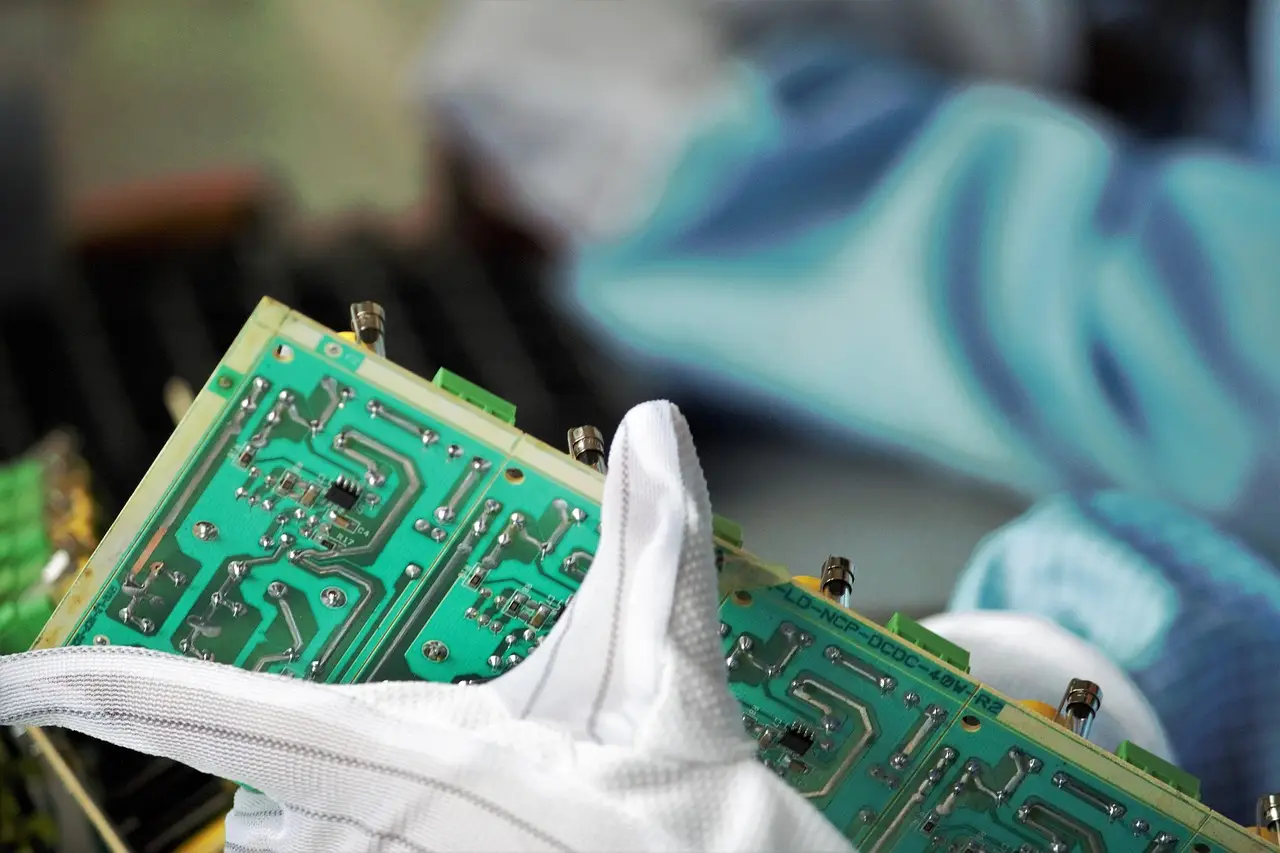
The US Department of Commerce has committed up to $389 million in federal R&D awards across four companies to develop power semiconductors for fusion energy and advanced computing. The funding flows through the CHIPS Research and Development Office, and each award comes with a condition: the Department takes a minority, non-controlling, non-voting equity stake in every recipient.
Commerce Secretary Howard Lutnick framed the awards in supply-chain terms. "The Trump Administration is accelerating American semiconductor innovation to enhance our domestic energy and power resources," Lutnick said. "These investments expand domestic research, secure critical supply chains, and create high-paying American jobs."
No performance milestones, disbursement schedules, or clawback terms appear in the announcement. The figure is an upper limit, not a check.
Who gets what?
- Helion (Microsoft-backed): up to $175m for high-voltage power semiconductors and advanced energy power modules for high-peak-current pulsed-power applications in fusion power generation.
- Commonwealth Fusion Systems (Google-backed): $85m for semiconductors in robotic maintenance systems and radio-frequency power generators.
- Vertical Semiconductor: up to $73m for gallium nitride (GaN, a wide-bandgap semiconductor material) power semiconductors.
- Sibelco: up to $56m for next-generation purification and finishing of ultra-high-purity quartz.
What does Helion's award cover?
Helion says its semiconductors will power, control, and harvest energy from the magnets driving its fusion generators. Of the $175m, more than $100m supports semiconductor and advanced packaging R&D in Everett, Washington, with a further $80m earmarked for next-generation semiconductor tooling, design, and process development. That split totals $180m against a $175m ceiling; the company does not explain the discrepancy.
CEO David Kirtley tied the award to plant economics. "Building fusion power plants at scale requires us to accelerate the development of technologies like semiconductors that are critical to making fusion possible," Kirtley said. He added: "This award, combined with additional private investment, totaling $225 million, will allow Helion to develop and manufacture advanced semiconductors here in the United States that deliver the efficiency, reliability, and performance our systems require."
The quote asserts a $225m combined figure. The breakdown of private versus public money within it remains unspecified.
What is CFS building?
CFS will apply its $85m to semiconductor technologies for robotic maintenance systems that improve ARC plant performance, and to radio-frequency power generators supporting commercial fusion. CEO and co-founder Bob Mumgaard said: "This award marks an important opportunity to drive development of semiconductors and power electronics unique to the fusion industry. These innovations will be a vital part of our global effort to deploy commercial fusion."
CFS's proposed ARC reactor targets grid electricity delivery in the early 2030s, with a planned capacity of 400MW. Google has committed under a long-term Power Purchase Agreement (PPA, a contract to buy future output) to offtake 200MW from the plant upon completion. That 200MW figure represents half the plant's capacity; the buyer for the remainder is not named.
Who are the other two recipients?
Vertical Semiconductor, co-founded by Josh Perozek, Cynthia Liao, and Tomas Palacios in 2024, is an MIT spin-out built on research from MIT's Palacios Group, which the company describes as a world-leading GaN research lab. The company says the funds will enable more efficient, compact power delivery for advanced computing. It is two years old and receiving up to $73m; no revenue, product, or commercialization details were disclosed.
Sibelco, an industrial minerals firm specializing in mining and processing silica, receives up to $56m to develop purification and finishing technologies for ultra-high-purity quartz used in crystal growth crucibles, processing glassware, and other hardware throughout the semiconductor value chain. The company says the support will strengthen domestic semiconductor supply chains.
What is not said?
The announcement omits timelines, technical targets, and verification mechanisms for all four awards. The equity stake structure suggests a recap of prior CHIPS precedents, but the size of each stake is unstated. Whether any funds have disbursed remains unclear.
via Data Center Dynamics (Source)
More from Priya Raman
Show full bio
Correspondent covering money, funding and market shifts around hardware layer of artificial intelligence at Die Signal.
478 articles
Same lot · LOT-C204
- DSG-207010nmCommerce Department Commits $874 Million to 7 Companies for Semiconductor R&D
- DSG-496014nmClifford Chance advises Commerce on $1bn CHIPS quantum foundry award
- DSG-622665nmUS Commits $874m to Semiconductor Supply Chain via CHIPS Act
- DSG-778765nmDepartment of War Commits $1.5 Billion Loan to Wolfspeed
- DSG-15457nmWar Department Commits $1.5B to Wolfspeed for Wide Bandgap Semiconductors