Test report · tested November 23, 2026
Supply Chain & PolicyDevice under test
China's Spy Chief Chen Yixin Leads Covert Drive for Banned AI Chips
Minister of State Security Chen Yixin heads a unit that has spent two years helping Chinese firms procure advanced AI chips despite U.S. export controls, the New York Times reported.
- Read
- 2 min
- Words
- 475
- Segment
- Supply Chain & Policy
- Operator
- Amara Osei
Spec summary
- China's Ministry of State Security has run a covert chip-procurement campaign for at least two years, the New York Times reported on the 21st.
- Minister of State Security Chen Yixin leads a working team that reports directly to him.
- Chen set out the mission in a Communist Party journal article in April 2024.
- Xi Jinping created the Central Science and Technology Commission in 2023 after the U.S. barred Nvidia's advanced chip exports to China in late 2022.
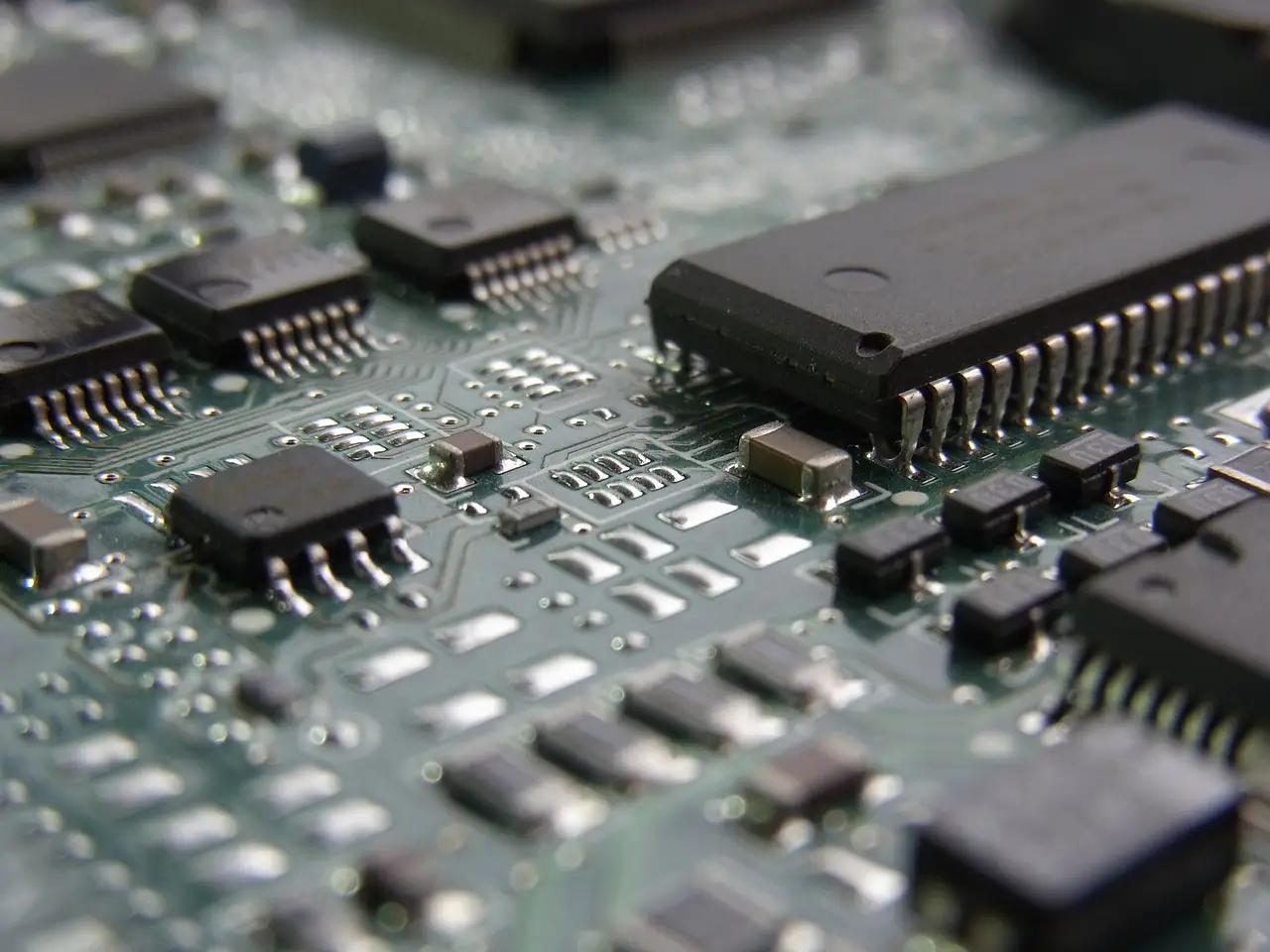
China's Ministry of State Security has run a covert campaign for at least two years to obtain advanced AI chips blocked by U.S. export controls, with Minister Chen Yixin personally leading a dedicated working team, The New York Times reported on the 21st, citing current and former foreign intelligence officials.
The unit reports directly to Chen and pursues three tasks: helping Chinese companies procure advanced semiconductors, moving those chips into China, and gathering intelligence on the global semiconductor industry and its supply chains.
What did Chen say in public?
Chen outlined the mission in an article contributed to a Communist Party journal in April this year. "We must deepen the struggle against containment and comprehensively advance AI innovation, industrial development and application," he wrote. "We must work to resolve the 'chokepoint' problem in core technologies. We must secure technology that cannot be obtained by asking, buying or begging."
The remarks frame U.S. export controls not as an economic constraint but as a national security problem — one that intelligence agencies are expected to break.
Alex Joske of Gano Global, a consultancy specializing in Chinese security affairs, said Chen is telling party leadership and cadres that the Ministry of State Security now treats the AI competition with the United States as a long-term, top-priority task. "He is instructing cadres to find more ways to wage this struggle," Joske said.
How long has this been building?
Since his appointment as minister of state security in late 2022, Chen has described Western controls on advanced technology as "containment" aimed at blocking China's development. In a Communist Party journal article last year, he assessed that technological competition among major powers had entered its most intense and consequential phase. This year he again named the "anti-containment struggle" as one of the ministry's core missions.
The timeline tracks the U.S. measures it answers. The Commerce Department began barring Nvidia from exporting its advanced chips directly to China in late 2022.
Where does Xi Jinping fit in?
The intelligence effort runs parallel to President Xi Jinping's self-reliance strategy. At a Politburo meeting in January this year, Xi called for extraordinary measures to secure core technologies in priority fields and said chokepoint problems blocking future industries must be resolved as quickly as possible.
In 2023, shortly after the Nvidia export ban took effect, Xi established the Central Science and Technology Commission to narrow the gap with the United States in the computing power needed for AI. The commission rarely appears in Chinese media and discloses neither its budget nor its plans.
Christopher K. Johnson, a China expert and former Central Intelligence Agency analyst, said the commission is nonetheless the driving force behind Xi's vision for securing technological supremacy.
One ministry, one commission, one stated goal: get the chips Washington will not sell.
via en.sedaily.com (Source)
More from Amara Osei
Show full bio
Staff writer covering money, funding and market shifts around hardware layer of artificial intelligence at Die Signal.
777 articles
Same lot
- Taiwan Weighs Curbs on AI Chip Exports to China to Align With US
- Analysts Warn China Could Curb Rare Earths Over U.S. Chip Rules
- FBI Opens Espionage Probe Into Alice Huang’s China Chip Network
- Beijing Denounces US Chip Curbs as Threat to Global Supply Chains
- US Export Curbs Are Forcing China to Redesign Its AI Chip Industry