Test report DSG-9034 · Rev A · tested October 30, 2026
Supply Chain & PolicyDevice under test
Anthropic flags TSMC dependence as AI compute supply risk
Anthropic's IPO filing links Taiwan disruption, scarce advanced chips and HBM, rising infrastructure costs, and US trade controls to slower AI model training and deployment.
- Read
- 3 min
- Words
- 633
- Node
- 14nm
- Operator
- Marcus Bennett
Spec summary
- Anthropic submitted its IPO filing to the US SEC on 26 October.
- TSMC accounts for the majority of the world's most advanced chip manufacturing capacity.
- Advanced-chip demand has at times exceeded TSMC's capacity to meet market requirements.
- SK Hynix, Samsung Electronics and Micron Technology are major high-performance memory suppliers.
- Computing and infrastructure expenses should remain Anthropic's largest operating expense in dollar terms.
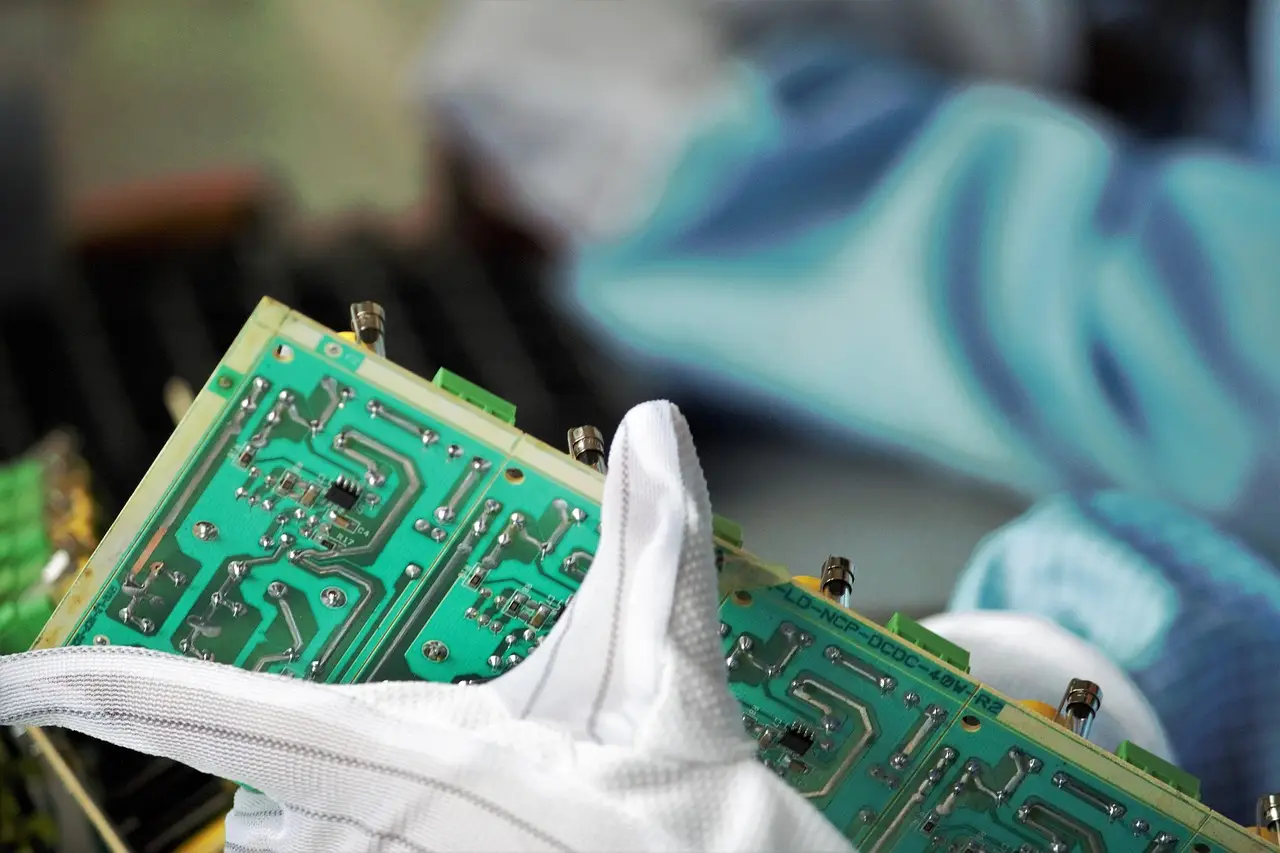
Anthropic's initial public offering filing, submitted to the US Securities and Exchange Commission on 26 October, identifies TSMC dependence as a supply-chain risk.
The AI company says disruption in Taiwan's semiconductor industry could restrict its access to advanced chips. That access supports the computing infrastructure required to develop and deploy its AI models. TSMC accounts for the majority of the world's most advanced chip manufacturing capacity.
What risks did Anthropic identify?
The filing lists several ways production could stop or slow:
- Geopolitical tension between Taiwan and China.
- Military conflict.
- Trade restrictions.
- Natural disasters.
- Interruptions to electricity or water supplies.
Each could interrupt chip production and affect Anthropic's business. The company also warns that a Taiwan disruption could tighten global advanced-semiconductor supply for years. Alternative manufacturing facilities take time to build and qualify. Efforts to establish sufficient advanced chip production capacity outside Taiwan, including in the United States, remain at an early stage.
This is a concentration risk rather than a simple procurement issue. A short production interruption could have a long effect because alternative capacity must be built and qualified before it can replace lost output.
How constrained is advanced-chip supply?
Anthropic stated: “Demand for advanced chip manufacturing capacity has at times exceeded TSMC's ability to meet market requirements.” This has prevented Anthropic from obtaining enough chips on time. Delays or restrictions affecting supplies from Taiwan or TSMC could also hurt Anthropic's business, financial condition and operating results.
The risk extends beyond processors because Anthropic says access to computing resources also depends on other IT equipment, electricity, power-generation infrastructure and available data-centre capacity. Constraints in any of these areas could limit the resources available to train and deploy models.
Rising demand for computing capacity has contributed to higher costs. Higher expenses could restrict Anthropic's ability to invest in, develop and deploy its models, platform and applications at the pace it anticipates.
The practical mechanism is resource availability. When access to chips, power or data-centre capacity is delayed, Anthropic cannot train or deploy at the pace it anticipates.
Why does memory supply matter?
Anthropic flagged potential constraints in high-bandwidth memory, or HBM. HBM is a key component in high-performance AI accelerators. SK Hynix, Samsung Electronics and Micron Technology are the major manufacturers of the high-performance memory products used in AI computing infrastructure.
The manufacturers' capacity expansion plans do not guarantee enough supply when Anthropic needs it. Supply could tighten if large customers or competitors secure exclusive commitments or reserve substantial portions of available production.
The company also cited manufacturers' allocation decisions, production defects and delivery delays. These factors could restrict access to hardware. Longer replacement lead times could further reduce available computing capacity.
Memory therefore presents a separate bottleneck from wafer fabrication. Even if leading-edge processors are available, constrained HBM can restrict the number of high-performance AI accelerators Anthropic can put into service across its computing infrastructure.
What does this change for Anthropic?
Anthropic stated: “Computing and infrastructure expenses would remain its largest operating expense in absolute dollar terms for the foreseeable future.” Anthropic cannot expand computing capacity without sufficient chips, memory, electricity and data-centre infrastructure. The constraint therefore reaches beyond model development. It also affects the pace of commercial deployment.
US export controls, import restrictions, tariffs and trade disputes add another layer. Anthropic says these measures could delay equipment deliveries, increase costs or force supply-chain changes.
These disruptions can reinforce one another because they affect both the timing and cost of infrastructure. A delayed equipment delivery can postpone usable data-centre capacity. The filing treats supply assurance as a financing issue as well as an engineering one. Rising demand raises infrastructure spending even as Anthropic seeks more capacity for model training and deployment.
via Google News: TSMC (Source)
More from Marcus Bennett
Show full bio
News editor covering regulation, policy and their impact on hardware layer of artificial intelligence at Die Signal.
516 articles
Same lot · LOT-C204
- DSG-26985nmTaiwan Set to Restrict AI Chip Exports to China Under US Trade Deal
- DSG-972128nmTaiwan Weighs Tighter Rules for AI Chip Exports to China
- DSG-782745nmTaiwan Weighs Curbs on AI Chip Exports to China to Align With US
- DSG-98613nmTaiwan Moves to Restrict AI Chip Exports to China
- DSG-707645nmTaiwan Moves to Restrict AI Chip Sales to China, Bloomberg Reports