Test report DSG-7420 · Rev E · tested October 2, 2026
Memory & StorageDevice under test
Micron warns global memory shortage could persist through 2028
Micron warns the global memory shortage could deepen and persist through 2028, extending price pressure on DRAM and NAND across PCs, servers, and consumer devices.
- Read
- 2 min
- Words
- 443
- Node
- 10nm
- Operator
- Elena Vasquez
Spec summary
- Micron has warned the global memory shortage could worsen through 2028.
- The forecast covers DRAM and NAND flash supply across major end markets.
- Prolonged shortage implies continued upward pressure on memory pricing.
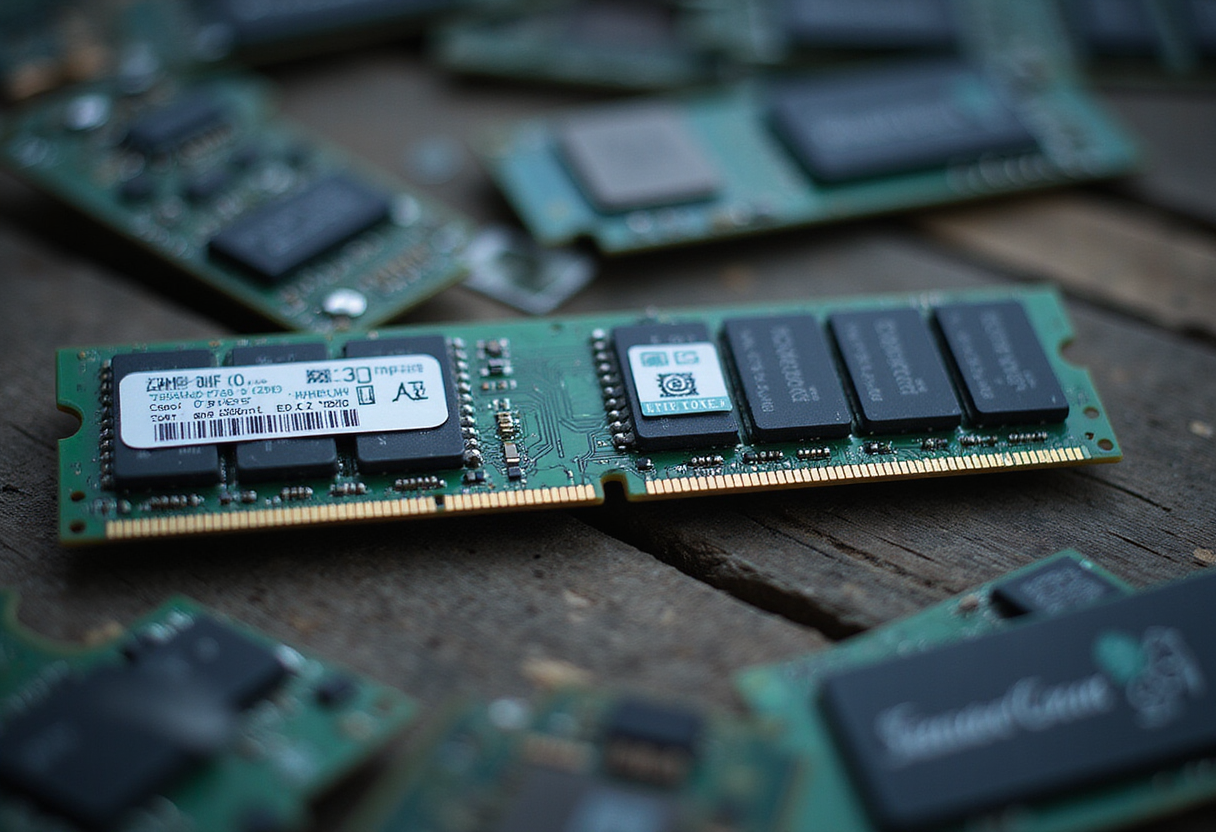
Micron has warned that the global memory shortage could worsen and extend through 2028, signaling a prolonged period of tight supply for DRAM and NAND flash across the electronics industry.
The announcement puts a multi-year frame on a supply crunch that has already been squeezing buyers of memory components. If the shortage deepens as Micron expects, device manufacturers, data center operators, and consumers could face continued upward pressure on memory prices for at least the next several years.
What this means for the market
Memory is a foundational component in nearly every computing product — from smartphones and PCs to servers, networking equipment, and automotive systems. A shortage lasting through 2028 would affect pricing and availability across all of these segments.
For OEMs and contract manufacturers, the warning complicates long-term procurement planning. Buyers who typically negotiate supply agreements one to two years ahead may need to lock in capacity further in advance or accept greater price volatility.
Data center operators face particular exposure. Memory density per server continues to rise, and any constraint on DRAM supply directly affects the cost and deployment timelines of new infrastructure.
Supply and demand dynamics
Micron's forecast implies that demand growth — driven in part by expanding compute workloads and rising memory content per device — will outpace additions to manufacturing capacity over the multi-year horizon. Building new memory fabrication capacity is capital-intensive and slow; new fabs typically take years to move from groundbreaking to volume production.
That lag means supply cannot respond quickly to price signals, which is why memory markets have historically swung between gluts and shortages. Micron's warning suggests the industry is entering, or remains in, the shortage phase of that cycle, with no near-term relief in sight.
Implications for pricing
Extended shortages historically translate into sustained or rising contract and spot prices for DRAM and NAND. Component buyers should expect continued firmness in memory pricing through the forecast window, with the risk of sharper spikes if demand accelerates faster than anticipated.
For memory suppliers, including Micron, Samsung, and SK hynix, a prolonged shortage period typically improves margins — though it also invites scrutiny from regulators and customers over pricing practices.
What to watch
Key indicators to track over the coming quarters include DRAM and NAND contract price movements, capital expenditure announcements from major memory makers, and any shifts in end-market demand, particularly in data center and mobile segments.
Micron's public forecast through 2028 gives the industry its clearest signal yet that the current supply tightness is not a short-term disruption but a structural condition that buyers, manufacturers, and investors will need to plan around for years to come.
via Google News: HBM memory (Source)
More from Elena Vasquez
Show full bio
Senior reporter covering industry trends and analytics at Die Signal.
53 articles
Same lot · LOT-C1A9
- DSG-932014nmMicron CEO Warns Memory Shortages May Persist Into 2028
- DSG-475820nmMicron Warns RAM Supply Will Tighten Further as Prices Climb
- DSG-295928nmMicron Posts Record Profits, Sees Memory Tightness Through 2028
- DSG-39617nmMicron Beats Estimates, Issues Strong Guidance on Memory Shortage
- DSG-655414nmMicron Forecasts $61.5 bn Revenue on AI Memory Demand