Test report · tested November 20, 2026
Supply Chain & PolicyDevice under test
AMD Shares Drop 7.7% on Report of Firmware Leaks to Sanctioned Chinese Firm
AMD fell 7.7% after Hunterbrook reported IEIT, a sanctioned Chinese server maker, incorporated AMD firmware six times post-sanctions via three firms with 99.94% code similarity.
- Read
- 3 min
- Words
- 507
- Segment
- Supply Chain & Policy
- Operator
- Amara Osei
Spec summary
- AMD shares fell more than 7.7% on the Nasdaq after the Hunterbrook report.
- IEIT, added to the Entity List in March last year, incorporated new AMD firmware at least six times since sanctions.
- Three intermediary firms showed firmware similarity to AMD code of up to 99.94%.
- $67 million of AMD's licensing revenue last year came from two Hygon joint ventures.
- A rule extending controls to >50%-owned affiliates of sanctioned firms could take effect in January.
- China, Hong Kong and Singapore supplied 34.8% of AMD's revenue last year.
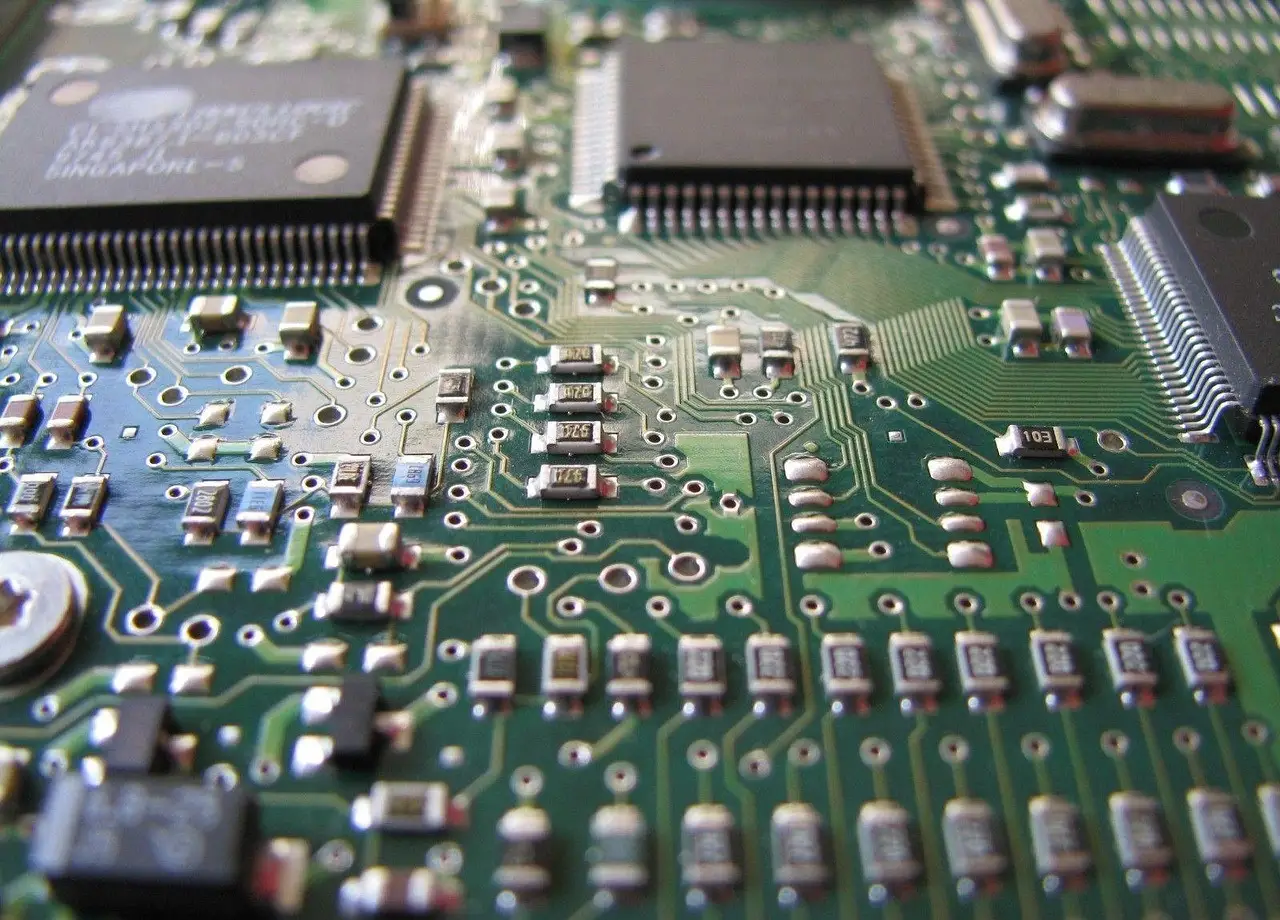
AMD stock fell 7.7% in Nasdaq trading after Hunterbrook Media reported that firmware the company released after U.S. sanctions took effect appeared on servers built by IEIT, a Chinese manufacturer the Commerce Department added to the Entity List in March last year.
The report, published on the 19th, escalates regulatory pressure on the second major U.S. chipmaker within weeks, following the scandal involving former Nvidia Chief Executive Jensen Huang. Washington has sharply tightened oversight of American chipmakers' China operations in that aftermath.
What exactly does the report allege?
Firmware is the software that lets chips operate properly inside servers. Hunterbrook, a U.S. investigative outlet, found that IEIT incorporated new AMD firmware into its servers at least six times since the U.S. sanctions were imposed.
"The most recent case is an update released on the 19th of last month that included AMD firmware shipped in July this year," the outlet said.
Hunterbrook traced three channels it says routed AMD technology to the sanctioned firm. Firmware used by three companies — Maginfra of China, Kaytus of Singapore and Aivres, based in California — showed similarity to AMD's own firmware of up to 99.94%.
The corporate ties reinforce the routing claim: Kaytus listed IEIT as its ultimate parent company in a corporate audit report, and Aivres previously had an equity relationship with IEIT.
The report also flagged a second revenue stream. Hunterbrook estimated that $67 million (about 89.52 billion won) in licensing revenue AMD booked last year came from two joint ventures established with Chinese chipmaker Hygon.
How exposed is AMD to U.S. export rules?
The numbers frame the stakes. AMD generated 22.4% of total revenue last year from China and Hong Kong, plus 12.4% from Singapore — 34.8% combined. The likelihood that all of that business falls under restrictions remains very low, but regulatory uncertainty has clearly increased.
The tightening is already concrete:
- The U.S. government recently strengthened licensing requirements for advanced AI chips and servers bound for five countries: Singapore, Malaysia, Indonesia, Thailand and Brazil.
- It extended controls to indirect routes through which Chinese companies tap advanced AI computing capacity at overseas data centers.
- A rule extending export controls to overseas affiliates more than 50% owned by sanctioned companies could take effect in January next year.
What has AMD said?
AMD told Reuters the claims distort its business practices and relationships. The company said it complies with applicable U.S. export control laws and maintains rigorous processes across its global operations.
One further detail colors the report's reception. Hunterbrook Capital, the U.S. hedge fund that owns Hunterbrook Media as an affiliate, said it took a short position in AMD after publication. Launched in 2024, Hunterbrook bases investment decisions on reporting by its affiliated media arm.
The share decline of more than 7.7% in the regular session reflects both the specific allegations and the broader regulatory climate. Whether the January affiliate rule takes effect may now matter as much for AMD as the firmware trail itself.
via en.sedaily.com (Source)
More from Amara Osei
Show full bio
Staff writer covering money, funding and market shifts around hardware layer of artificial intelligence at Die Signal.
777 articles
Same lot
- Hunterbrook: Blacklisted IEIT Got New AMD BIOS Updates After U.S. Ban
- AMD drops 9% after short seller alleges China firmware ties
- U.S. Bans Remote Leasing of AI Chips to China in Preemptive Rule
- Nvidia's $7.5 Billion China Chip Claim: What's Proven, What Isn't
- Nvidia Loses $400 Billion in Two Days as Chip Claims Hit