Test report DSG-7322 · Rev E · tested November 15, 2026
Processors & AcceleratorsDevice under test
AMD Desktop CPU Share Falls to 29.9% as Intel Reclaims 70.1%
AMD fell from 34.9% to 29.9% of x86 desktop CPU shipments in Q3 2026 while Intel rose to 70.1%, per Mercury Research data reported November 13.
- Read
- 4 min
- Words
- 835
- Node
- 3nm
- Operator
- Marcus Bennett
Spec summary
- AMD held 29.9% of x86 desktop CPU shipments in Q3 2026, down 5.0 points from 34.9% in Q2.
- Intel's desktop CPU share rose from 65.1% to 70.1% in the same quarter.
- Mercury Research data was reported by PC Gamer on November 13, 2026.
- Mercury Research said the cause is hard to know and speculated weaker mobile CPU demand let Intel ship more desktop parts.
- Intel's lead over AMD widened from 30.2 to 40.2 points, a 2.34-to-1 share ratio.
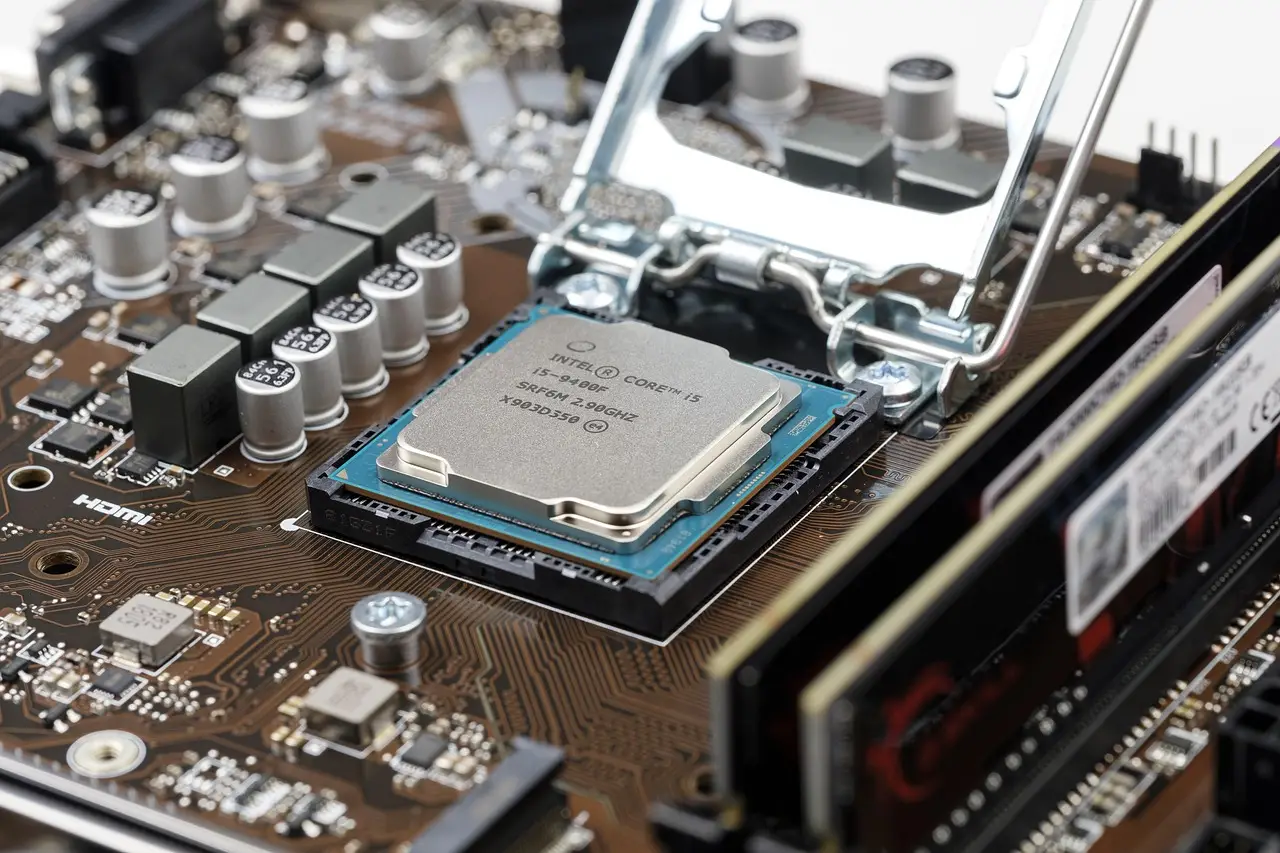
AMD shipped 29.9% of x86 desktop CPUs in Q3 2026, down 5.0 percentage points from 34.9% in Q2, according to Mercury Research figures reported by PC Gamer on November 13, 2026. Intel took the other side of the swing, climbing from 65.1% to 70.1%. In a two-vendor market, every point AMD lost was a point Intel gained.
The numbers are the only four confirmed share figures in the reporting. TechPowerUp and Wccftech carried the same data in the days around PC Gamer's publication. One outlet rounds Intel's gain to roughly 5.1 points; straight subtraction gives 5.0. The difference is rounding, not substance.
| Metric | Q2 2026 | Q3 2026 | Change |
|---|---|---|---|
| Intel desktop CPU share | 65.1% | 70.1% | +5.0 points |
| AMD desktop CPU share | 34.9% | 29.9% | -5.0 points |
| Combined share | 100.0% | 100.0% | No change |
What does shipment share actually measure?
The Mercury Research figures count processors shipped as a fraction of total x86 desktop shipments in the quarter. They do not measure revenue share, which depends on average selling prices. They say nothing about the installed base of PCs in use, and they do not rank performance.
A shipment is a CPU leaving a vendor toward a PC maker, distributor, or retailer. A chip can ship in one quarter and reach a buyer in the next. When channel inventory builds or drains, shipment share and consumer purchase share can diverge for a while. The 29.9% figure is not a count of AMD-powered desktops people bought.
The data also cannot support a product verdict. No specific desktop CPU model, launch, price cut, or technical spec is confirmed as a cause. Any article blaming a particular chip for the move is guessing.
How large is a five-point swing?
Five points sounds modest until converted into relative terms. Simple arithmetic on the confirmed shares shows the scale of the move for each company.
- Intel's lead over AMD widened from 30.2 to 40.2 points, because the swing counts twice in a head-to-head gap.
- The Intel-to-AMD share ratio moved from 1.87 to 1 to 2.34 to 1.
- AMD lost about 14.3% of its previous share in relative terms (5.0 / 34.9).
- Intel gained about 7.7% of its own (5.0 / 65.1).
Intel went from shipping less than two desktop CPUs for every one AMD shipped to more than 2.3. That is a clear reversal of momentum on paper. It is also a single data point, and one quarter does not make a trend.
What does Mercury Research say caused it?
The data provider itself flagged the uncertainty. Mercury Research told reporters, in the words PC Gamer carried: "It's difficult to know the driver of this for sure."
The firm then offered a hypothesis, labeled as speculation. Lower demand for mobile CPUs may have freed Intel to allocate more product to desktops, it suggested, at a time when desktop demand normally rises and Intel had been under-supplying that market earlier in 2026. A vendor with available capacity can shift output from laptop chips to desktop parts when one category softens, and Q3 is also when retailers and system builders stock up ahead of the year-end shopping period.
That framing changes the question. If Intel was constrained on desktop supply earlier in the year, part of its Q2 share of 65.1% reflected missing product, not missing demand. The rebound to 70.1% could be a return toward a prior normal as supply caught up. Mercury Research does not claim to prove this, but it is the only causal account on the record, and it comes from the source of the data.
The reports do not say AMD was constrained. No executive statement from Intel or AMD about the Q3 figures appears in the verified reporting. Some summaries describe the result as AMD's first desktop share loss in months; the available reports establish only the Q2-to-Q3 change and nothing about earlier quarters, so that wording is unconfirmed.
What does this change for the market?
AMD still holds nearly three in ten x86 desktop CPUs shipped. It lost ground within a segment where it remains a major supplier. The open question is whether the move reflects Intel's supply recovery or AMD's own allocation choices, and the data confirms neither.
For PC makers, a supply-driven swing toward Intel is a planning story: system builders can fill more orders around the platform with better availability. For retailers, vendor supply shifts change which configurations sit on shelves heading into the holiday season. The reports quantify none of this.
For buyers, the share figures give no signal. Choose a processor based on workload, platform cost, and current stock. Share is a statement about the market, not about the chip on your desk. The next Mercury Research quarterly release will show whether the Q3 shift sticks or reverses.
via shattered.io (Source)
More from Marcus Bennett
Show full bio
News editor covering regulation, policy and their impact on hardware layer of artificial intelligence at Die Signal.
596 articles
Same lot · LOT-362B
- DSG-52153nmAMD sets Q4 revenue guidance above consensus on AI demand
- DSG-64345nmAMD forecasts US$17 billion quarter as data center sales near-double
- DSG-385445nmAMD Guides $17B Q4 Revenue, Set to Outsell Intel for First Time
- DSG-959220nmAMD Reportedly Plans 10% Price Increase Across Chip Lineup for Q4
- DSG-295614nmGigabyte Books NT$403.98 Billion in Nine Months, Up 63.2%