Test report DSG-9592 · Rev C · tested September 29, 2026
Supply Chain & PolicyDevice under test
AMD Reportedly Plans 10% Price Increase Across Chip Lineup for Q4
AMD reportedly plans a 10 percent price increase across its entire chip lineup from Q4, passing TSMC foundry cost hikes to buyers and mirroring Intel's counter-trend increases.
- Read
- 3 min
- Words
- 650
- Node
- 20nm
- Operator
- Amara Osei
Spec summary
- AMD reportedly plans a 10 percent price increase across its entire chip lineup starting in Q4, per a report carried by Moomoo.
- The increase is framed as a pass-through of Taiwan Semiconductor Manufacturing Company's foundry price hikes, as AMD produces its CPUs and GPUs at TSMC.
- The move mirrors Intel's counter-trend price increases, marking the second major x86 vendor to raise prices this year.
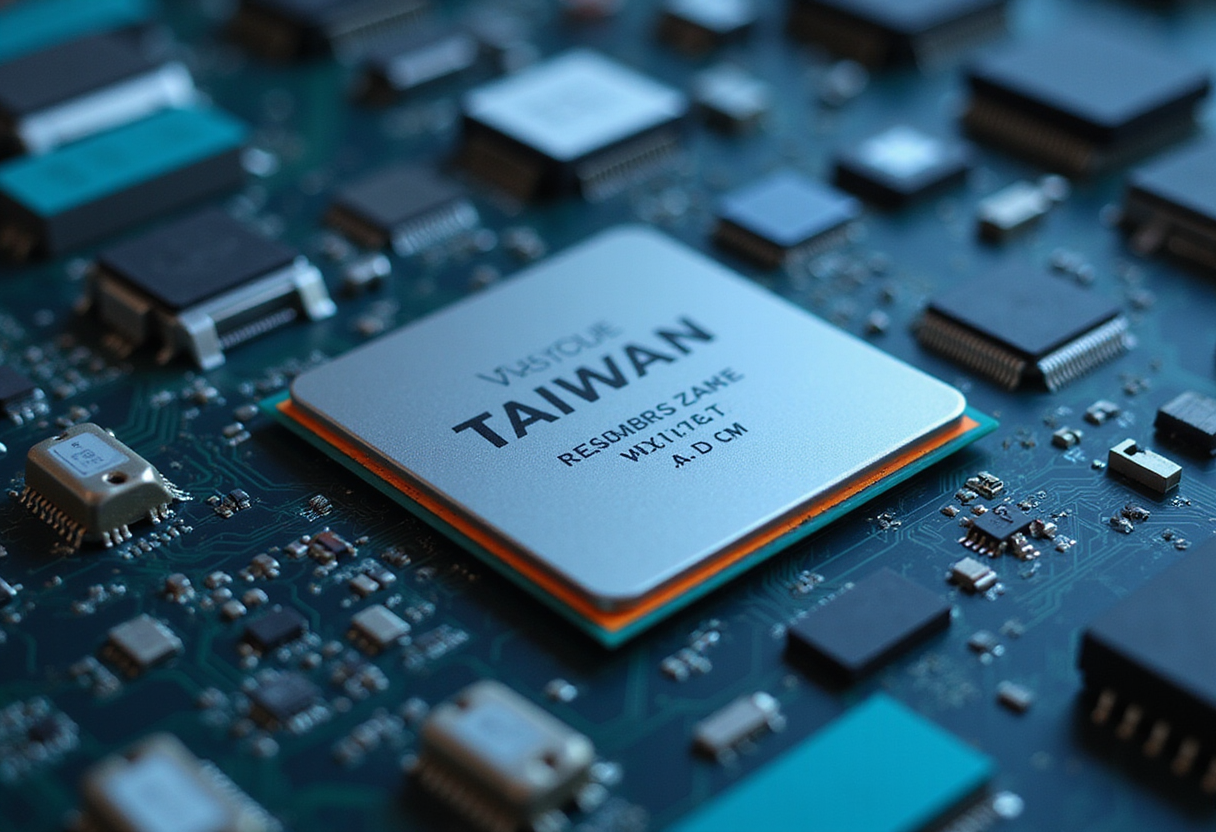
AMD intends to raise prices across its entire chip portfolio by 10 percent starting in the fourth quarter, according to a report carried by Moomoo. The increase would apply to the company's full product lineup rather than select segments, and would take effect as the industry enters its highest-volume selling season.
The reported decision positions AMD as the second major x86 vendor to push prices upward this year. Intel has already implemented counter-trend price increases that run against the historical pattern of declining per-unit costs in semiconductors. If the report holds, the two dominant suppliers of PC and server processors will have moved in the same direction, tightening the pricing environment for OEMs, system integrators, and end buyers.
The likely trigger sits upstream. Taiwan Semiconductor Manufacturing Company, AMD's primary foundry partner, has raised its contract prices, and those increases now flow through the supply chain. A 10 percent across-the-board adjustment at AMD matches the pattern of a foundry cost pass-through: the chip designer absorbs margin pressure at the wafer level and recovers it at the invoice level. AMD fabricates its current CPU and GPU product lines at TSMC, which makes the company directly exposed to the foundry's pricing decisions.
For system builders, the timing compounds existing cost pressure. A fourth-quarter effective date means price increases land during the ramp toward holiday retail and enterprise procurement cycles. OEMs that quote systems on current component pricing will need to decide whether to absorb the delta or reprice platforms already announced. Distributors holding inventory bought at pre-increase cost may gain a short-term pricing advantage, while channel partners restocking after Q4 begins will pay the new rates.
The competitive dynamic between AMD and Intel adds a further layer. Historically, price increases by one x86 vendor created an opening for the other to gain share on value. Intel's earlier moves already broke that pattern; an AMD increase following it suggests both companies see enough demand resilience — or enough cost pressure — to prioritize margin over share defense. For buyers, that removes the traditional escape valve of switching suppliers to avoid higher prices.
A 10 percent figure applied portfolio-wide is notable for its breadth. Vendor price actions typically target new product generations, premium segments, or specific lines where demand supports the increase. An across-the-board adjustment instead treats the increase as a cost-driven repricing of the business, consistent with rising wafer costs at the foundry level rather than product-specific positioning.
Taiwan Semiconductor's pricing power stems from its position as the leading advanced-node manufacturer. Its customers, which include most major fabless chip designers, have limited near-term alternatives at equivalent process nodes. When TSMC raises prices, those customers face a choice between margin compression and passing costs downstream. AMD's reported move indicates which path the company selected.
For the broader market, the signal matters beyond AMD's own products. If foundry cost inflation now transmits predictably to retail chip prices, buyers across PCs, servers, and data center hardware should expect similar adjustments from other TSMC-dependent suppliers. The era in which component prices trended only downward appears, on this evidence, to be on hold.
AMD has not, per the report, publicly detailed the pricing schedule, product-by-product breakdown, or regional variations. The 10 percent figure and Q4 timing remain attributable to the initial report rather than an official company announcement. Customers planning Q4 purchases or multi-quarter procurement commitments may want to confirm final pricing with their AMD channel contacts as the effective date approaches.
The report frames the increase as a pass-through of foundry costs and a mirror of Intel's strategy. Both framings point to the same conclusion: input costs at the manufacturing layer have risen enough that two competing vendors now raise prices into a demand environment they judge able to carry it.
via Google News: Semiconductor foundry (Source)
More from Amara Osei
Same lot · LOT-C1BA
- DSG-608565nmTSMC to Raise Wafer Foundry Prices 3%–6% From January
- DSG-433520nmMicron raises 2027 HBM prices after missing 2026 surge
- DSG-475820nmMicron Warns RAM Supply Will Tighten Further as Prices Climb
- DSG-776220nmTrendForce Forecasts HBM Prices to More Than Double in 2025
- DSG-746720nmTSMC Crosses $2 Trillion Market Cap on AI Foundry Demand