Test report DSG-3536 · Rev C · tested October 30, 2026
Supply Chain & PolicyDevice under test
AI equipment theft passes $150m in 2026 as fraud overtakes force
Overhaul reports $150m of AI equipment stolen in 2026, with fraud behind 92% of high-value tech shipment thefts. Insurance covers hardware, not delays.
- Read
- 3 min
- Words
- 588
- Node
- 14nm
- Operator
- Priya Raman
Spec summary
- Over $150m of AI equipment stolen in 2026; individual losses regularly exceed $30m
- Fraud featured in 92% of high-value technology shipment thefts analyzed by Overhaul
- Reports of stolen data center equipment and semiconductors are up 34% since 2024
- Data center late fees now around $5m per day, up from approximately $1m in spring
- Swiss Re forecasts data center insurance premiums near $24bn by 2030; S&P Global puts the current figure at $10bn
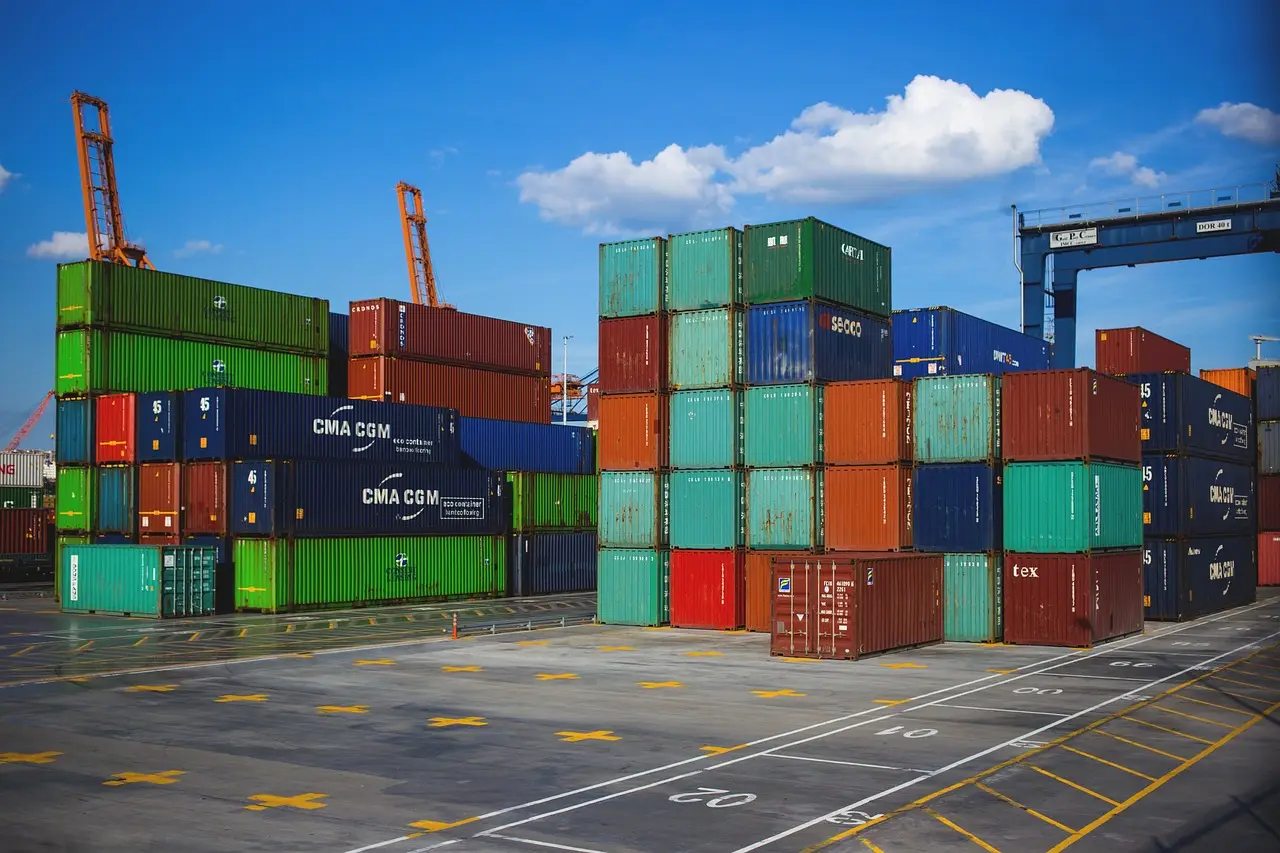
AI equipment worth more than $150 million has been stolen in 2026, according to cargo risk management firm Overhaul. The report attributes 92 percent of high-value technology shipment thefts to fraud rather than force. Individual losses regularly exceed $30 million, and such thefts occur weekly.
The caveat matters. Overhaul did not disclose the underlying incident count, geographic coverage, or shipment volume against which its figures were measured. A 34 percent rise in reported thefts of data center equipment, compute components, and semiconductors since 2024 therefore rests on a base the reader cannot inspect. The percentage is striking; the denominator is invisible.
What does the shift to fraud mean in practice?
Fraud, in Overhaul's definition, means deception: false carrier identities, altered paperwork, or spoofed communications. The method has displaced physical force as the dominant vector. In plain terms, thieves now impersonate the logistics chain instead of attacking it.
One documented incident involved $60 million of hardware belonging to an unnamed company. The shipment was redirected to an unauthorized location. The firm detected the attempt and recovered the goods. That recovery is the exception the report itself supplies, and it turns on early detection rather than prevention.
A separate case, reported by the Washington Post earlier this year, dates to July 2025. An individual stole $9.5 million of Apple products and AMD chips worth $6 million. The combined $15.5 million haul shows that single actors, not only organized crews, reach eight-figure sums.
What do the losses actually cover?
Overhaul notes that impacted companies will likely hold insurance covering the stolen equipment and hardware itself. But insurance will not cover indirect losses. Timeline disruptions and delayed customer contracts fall outside the policy. For AI infrastructure builds that run on strict delivery schedules, that gap may exceed the value of the stolen goods.
Context sharpens the point. The Information reported this week that data center late fees now run at roughly $5 million per day, up from approximately $1 million in spring of this year. A stolen GPU shipment is not merely a replacement cost. It is a delay priced in millions per day.
How large is the insurance exposure?
Swiss Re (a major reinsurance company) forecasts that data center insurance premiums could approach $24 billion by 2030. S&P Global currently estimates the figure at around $10 billion. That is double the size of the global aviation insurance market — a comparison that situates data centers among the most heavily insured physical assets on earth.
The premium growth tracks the theft trend. As fraud-based diversion spreads through high-value technology logistics, insurers are repricing the risk before the losses fully arrive. Swiss Re's 2030 forecast implies premiums roughly 2.4 times today's level within five years.
What remains unanswered?
The report leaves gaps. It names no affected companies beyond the unnamed $60 million victim. It offers no regional breakdown. It does not state how many of the weekly incidents end in recovery. And the $150 million total, presented as a 2026 figure, comes without the incident count needed to judge whether losses are concentrated in a few large events or spread across many small ones.
What is certain is directional. Theft of AI-era hardware has industrialized around paperwork, not crowbars. Weekly losses above $30 million, combined with $5 million daily late fees and a hardening insurance market, make supply chain fraud a first-order cost of the AI buildout. The next quarter's disclosures, not this report, will show whether the trend holds.
via over-haul.com (Original)
More from Priya Raman
Show full bio
Correspondent covering money, funding and market shifts around hardware layer of artificial intelligence at Die Signal.
467 articles
Same lot · LOT-C204
- DSG-977328nmFBI Arrests US Tech Executive Over $300M AI Chip Smuggling
- DSG-83565nmUS Authorities Arrest Solution Provider Owner Over Alleged $300M GPU Smuggling
- DSG-537510nmContractor Pleads Guilty In $2.5 Billion AI Chip Diversion Case
- DSG-247165nmCalifornia Man Charged in $300 Million Nvidia AI Chip Smuggling Case
- DSG-462028nmCalifornia Man Charged in $300 Million China AI Chip Scheme