Test report DSG-5378 · Rev E · tested October 19, 2026
AI Datacenter InfrastructureDevice under test
500MW, 220,000 GPUs: The New Scale of Hyperscale Data Center Builds
A 500MW, 220,000-GPU data center build is being tracked in daily and weekly construction increments, compressing timelines across power, cooling and compute integration.
- Read
- 3 min
- Words
- 528
- Node
- 5nm
- Operator
- Grace Kim
Spec summary
- Project scale: 500 megawatts of power capacity and 220,000 GPUs at a single site.
- Construction progress is tracked on daily and weekly cadences rather than quarterly milestones.
- Power procurement, not building shell construction, now sits at the front of the critical path.
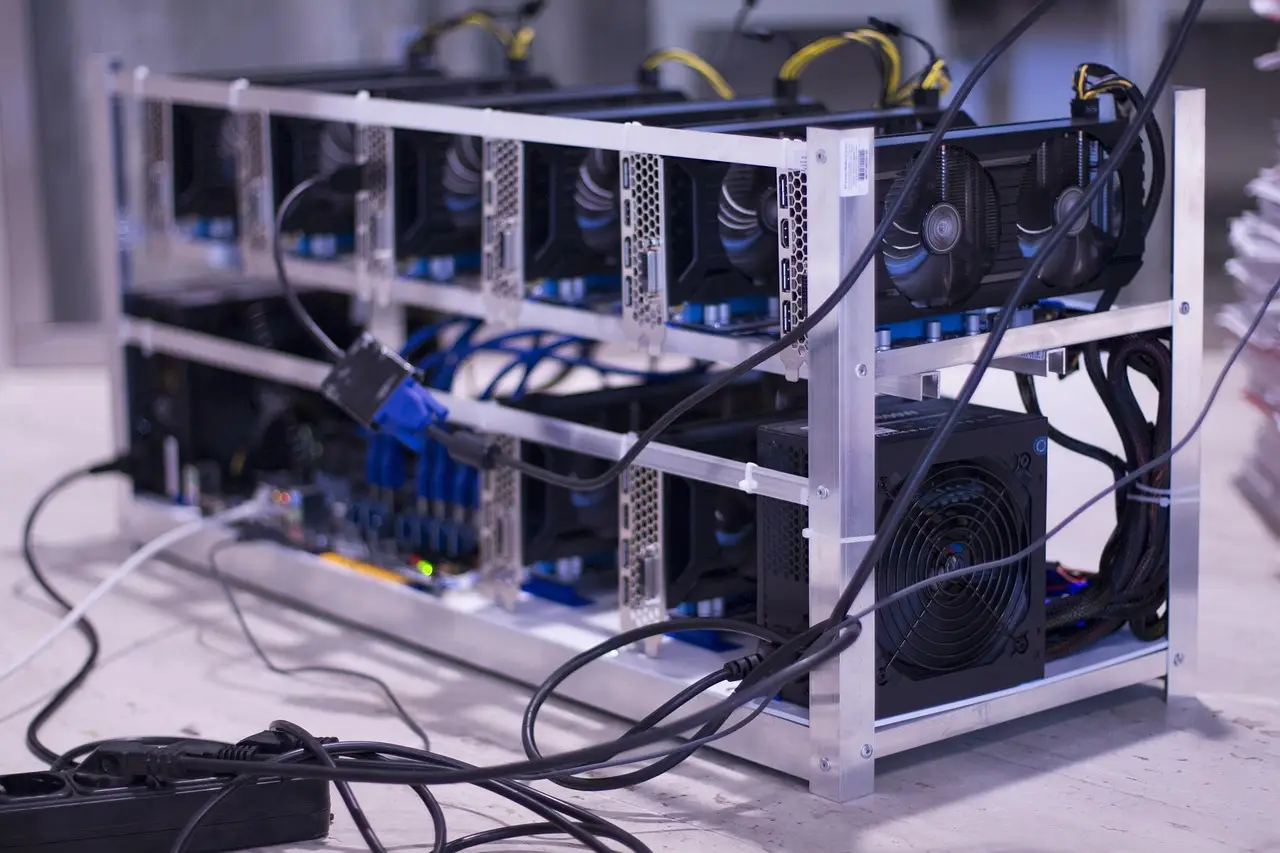
A 500-megawatt (MW) power footprint housing 220,000 GPUs is the benchmark a new class of AI data center project is now being built to. That scale, once spread across an entire campus over multiple years, is increasingly discussed in terms of daily and weekly construction milestones.
The numbers do the talking. Five hundred megawatts of dedicated power capacity rivals the electrical draw of a mid-sized city. Two hundred twenty thousand GPUs represent a training and inference fleet that would have ranked among the largest single-site installations on the planet just two years ago.
What does this change for operators and suppliers? Construction logistics, for one. When a build is tracked by the day and the week rather than the quarter, every link in the supply chain — transformers, switchgear, cooling plant, server racks, fiber — has to arrive on a just-in-time cadence. Slippage compounds fast at this tempo.
Why the daily and weekly framing matters
Traditional hyperscale campuses reported progress quarterly. At 500MW and 220,000 GPUs, the useful unit of measurement shrinks. Daily pour schedules, weekly rack-integration targets and rolling power-energization dates become the operating rhythm.
The shift signals two things:
- Power procurement has moved to the front of the critical path; securing 500MW is now the gating decision, not the shell construction.
- GPU deployment is measured in fleet increments, with installation batches large enough that weekly totals, not monthly ones, are the meaningful statistic.
What does this change for the grid?
A single 500MW load is utility-scale. Grid operators planning interconnects for projects of this size treat them like new industrial customers of a class that barely existed before the current AI build-out. The construction cadence means the demand doesn't ramp gently over years — it steps up as energization milestones land.
For equipment vendors, the tempo translates into order books with hard delivery windows. Transformers and high-voltage gear, already constrained industry-wide, sit at the center of that pressure. A weekly construction schedule leaves little slack for a 40-week lead-time item slipping to 50.
The compute side
At 220,000 GPUs, the facility's accelerator count approaches the scale that frontier-model developers say they need for next-generation training runs. Density follows: racks, liquid cooling loops and power distribution all get specified against the thermal and electrical envelope of accelerators drawing far more per unit than the generation of hardware they replace.
Nobody in this segment is building for yesterday's workload. The spec sheet — 500MW, 220,000 GPUs — reads as a floor, not a ceiling, for what the next procurement cycle treats as standard.
The construction industry's response is the part to watch. Daily-and-weekly reporting on a build of this magnitude compresses scheduling tolerances across civil works, electrical fit-out and compute integration into a single coordinated timeline. Projects that master that coordination deliver capacity months earlier than peers. In a market where compute availability gates product launches, those months carry real value.
Watch the pace, not just the totals. The headline figure is 220,000 GPUs. The story is how fast they go from foundation to fired-up.
via Google News: GPU datacenter (Source)
More from Grace Kim
Show full bio
Market editor covering regulation, policy and their impact on hardware layer of artificial intelligence at Die Signal.
452 articles
Same lot · LOT-C1CF
- DSG-95397nmNVIDIA and SB Energy Plan 10-GW AI Data Center Complex in Ohio
- DSG-462320nmSpaceXAI to add 660,000 GPUs, nearing 1.44 million total
- DSG-781714nmWistron CTO: Power, Not GPUs, Now the Real AI Data Center Bottleneck
- DSG-16975nmNvidia's green-power push targets grid bottlenecks, revenue shield
- DSG-866320nmJeffries: Hyperscalers Will Build 68% Less Than Planned in 2030