Test report DSG-1123 · Rev F · tested October 10, 2026
Supply Chain & PolicyDevice under test
US Eases Export Path for Nvidia AI Chips and Military Gear to UAE
The US has eased export rules for Nvidia AI chips and military equipment bound for the UAE, reopening a major Gulf market for advanced semiconductors and defense hardware.
- Read
- 3 min
- Words
- 535
- Node
- 7nm
- Operator
- Priya Raman
Spec summary
- The United States has eased exports of Nvidia AI chips and military equipment to the UAE, Reuters reported.
- The change covers both advanced AI semiconductors and US defense hardware.
- The UAE is one of the largest potential buyers of Nvidia accelerators outside the US market.
- Specific license terms, chip models and equipment categories remain unconfirmed.
- The move reverses a period of stricter US export treatment of Emirati AI and defense purchases.
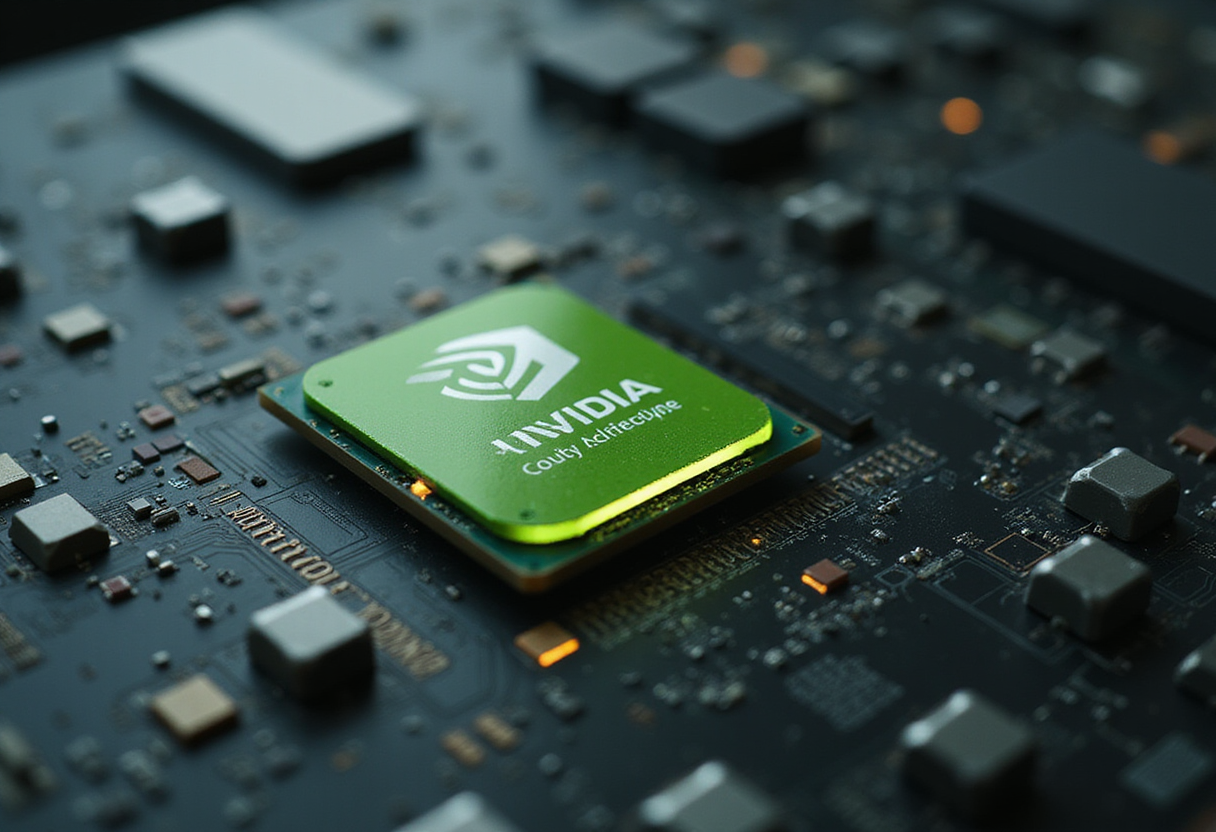
The United States has made it easier to export Nvidia AI chips and military equipment to the United Arab Emirates, a policy shift that reopens one of the largest potential markets outside the US for advanced accelerators and American defense hardware.
Reuters reported the change. The decision alters export licensing treatment for two of the most strategically sensitive categories in the US trade arsenal: cutting-edge artificial intelligence semiconductors, where Nvidia dominates the global supply, and defense equipment.
Why do Nvidia chips matter in this deal?
Nvidia's top-tier GPUs are the workhorse hardware for training and running large AI models. Access to them has become a geopolitical instrument: Washington has restricted their sale to a short list of countries, and the UAE has spent years seeking a pathway to buy them at scale.
Under previous rules, shipments of the highest-performing AI chips to the Emirates faced strict licensing conditions, reflecting US concerns about:
- Diversion of advanced silicon to third countries
- Chinese involvement in Emirati AI infrastructure and data-center projects
- National-security review of end users
The new arrangement eases that path. For Nvidia, the UAE represents one of the few markets capable of absorbing multi-billion-dollar chip orders, alongside sovereign AI buildouts driven by Emirati state-backed technology firms.
What does the change mean for military exports?
The same policy shift covers military equipment. The UAE has long been one of the largest buyers of American defense hardware in the Gulf, and tighter export controls in recent years had slowed parts of that pipeline.
Easier licensing for defense articles signals a broader warming of the US–UAE security and technology relationship, reversing a period in which Washington treated Emirati AI ambitions with caution.
What does it change for the AI trade?
For the semiconductor industry, the move is a demand signal. Easing access to a Gulf state with sovereign wealth to fund data-center construction expands the addressable market for Nvidia's AI accelerators at a moment when global buyers compete for limited supply.
It also sets a precedent. Other countries previously excluded or restricted from advanced-chip purchases will watch how the UAE arrangement is structured, what end-use guarantees it contains, and whether it becomes a template or an exception.
The conditions attached to the easing were not detailed in the initial reporting. Whether shipments proceed at full scale will depend on the specific license terms, the recipients involved, and any security commitments the UAE has made.
What are the open questions?
Several practical points remain unresolved in the announcement as reported:
- Which Nvidia chip models fall within the eased framework
- What volume of accelerators the UAE can acquire, and on what timeline
- Which categories of military equipment the licensing change covers
- What end-use and end-user verification requirements accompany the approvals
Those details will determine the commercial size of the shift for Nvidia, for US defense contractors, and for Emirati AI projects that have waited on chip access.
The direction, however, is clear: Washington has chosen engagement over restriction for the UAE, moving one of the wealthiest AI-aspirant states from the caution column into the approved-partner column for both advanced semiconductors and weapons systems.
via Google News: Semiconductor export controls (Source)
More from Priya Raman
Same lot · LOT-C1C6
- DSG-719120nmUS Charges Man With Illegally Shipping Nvidia Chips to China
- DSG-49517nmHuawei chairman: Ascend has passed Nvidia in China AI chip market
- DSG-85675nmTrump Administration Scraps AI Chip Export Restriction Plan
- DSG-155110nmChip Smuggling Cases Reveal Gaps in Nvidia's China Export Controls
- DSG-693028nmChinese State Funds Financed Restricted Nvidia AI Chip Purchases