Test report · tested November 29, 2026
AI Datacenter InfrastructureDevice under test
Texas Democrats Target SpaceX: 456 Launches and a $24B Campus
SpaceX wants to jump from 25 to 456 launches a year and build a $24 billion data center near Starbase. Incoming Texas Democrats plan to review both, plus a possible Tesla merger.
- Read
- 4 min
- Words
- 734
- Segment
- AI Datacenter Infrastructure
- Operator
- Elena Vasquez
Spec summary
- SpaceX has proposed raising its launch rate from 25 to as many as 456 per year, pending FAA approval.
- The company plans a $24 billion data center campus on 444 acres near Starbase, with a natural-gas power plant attached.
- Cameron County commissioners voted 3-2 against advancing a 10-year, 100% property-tax abatement for the project.
- SpaceX and Tesla announced an initial $16.8 billion investment in Terafab, a 100-million-square-foot chip complex in Grimes County.
- No confirmed dollar figure exists for state benefits to SpaceX; the 'sweetheart deals' label remains unverified.
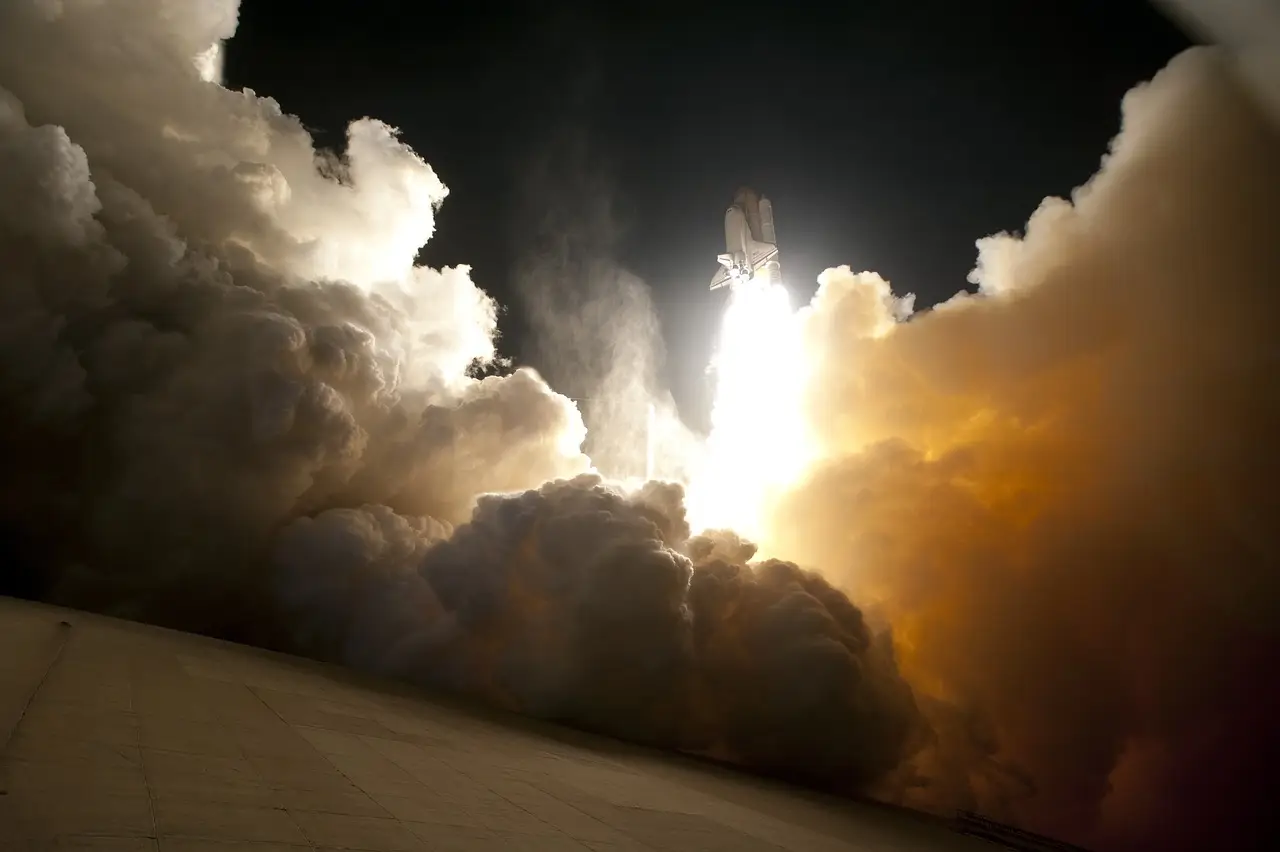
SpaceX has asked federal regulators to approve a jump from 25 rocket launches a year to as many as 456, and three incoming Texas Democrats say they will scrutinize that request alongside a planned $24 billion data center near Starbase and a possible Tesla-SpaceX merger.
Incoming Gov. Gina Hinojosa, Attorney General-elect Nathan Johnson and Land Commissioner-elect Benjamin Flores told POLITICO they plan to review all three items. Each sits in a different arm of state government: launches raise land and community-input questions, the data center raises permitting and tax questions, and a merger sits squarely in an attorney general's lane.
For now, this is stated intention, not action. The officials take office with tools they don't yet hold, and no cited report describes a formal investigation under way. Scrutiny is not yet a subpoena, a lawsuit or a permit denial.
What's actually on the table?
The launch figure is the starkest number. Going from 25 to 456 launches a year multiplies cadence by more than 18 times, and the decision rests with the FAA, not Texas. State officials can weigh in as comments and public pressure, but they can't veto it.
The data center is the second headline figure. A $24 billion campus on 444 acres of company-owned land in the Rio Grande Valley is the scale of project hyperscalers announce, not rocket companies. The plan includes a natural-gas power plant — a common answer to long utility interconnection queues, but one that raises emissions, water and grid questions handled by a different set of agencies than rocket launches. No capacity figure, fuel arrangement or permit status for the plant appears in the record.
Cameron County commissioners have already voted. They rejected, 3-2, advancing a proposed 10-year, 100% property-tax abatement for the project. A split that narrow tells you the issue is contested, not settled.
One caution: the "sweetheart deals" phrase circulating in some headlines is a political characterization, not an established fact. No cited report puts a confirmed dollar figure on state funding, tax incentives or grants SpaceX has received. Johnson has vowed to investigate whether SpaceX improperly received state grants — the word "improperly" signals an inquiry into whether rules were followed, not a blanket objection to incentives — but no finding has been reported.
What did the officials actually say?
Hinojosa campaigned on pausing data-center permitting until Texas adopts laws that "protect Texans." That's a statewide policy stance; if she pursues it, the Starbase campus would be one project among many caught in the same freeze, and the cloud industry would feel it well beyond SpaceX.
Flores framed his interest in process terms: "When there's a data center, rocket launches, or an amusement park, I want to make sure the community has input in the process." Note he lumped a data center together with an amusement park — his point is about who gets a say, not SpaceX alone.
Johnson said in a Bloomberg interview: "Any merger of companies of that consequence warrants tremendous scrutiny." Musk's answer, in remarks to analysts covered by the BBC: "I think it would be a good idea, but it's really up to the special committees of both companies." No completed merger deal exists.
There's a fourth project in the mix. SpaceX and Tesla announced an initial $16.8 billion investment in Terafab, an advanced AI semiconductor complex in Grimes County described as 100 million square feet for making, packaging and testing logic and memory chips. A joint commitment of that size gives regulators a concrete data point on how separate the two companies really are. Whether it received state incentives is unconfirmed.
What should cloud buyers watch?
The market effects split three ways. For SpaceX and Tesla shareholders, the risk is delay and cost. For Texas data center developers, the risk is a tougher permitting climate if Hinojosa's pause idea gains traction. For cloud customers, the risk is thinner supply than headline project sizes suggest.
Three observable events will tell the story: whether the FAA acts on the 456-launch proposal, whether Cameron County revisits the abatement, and whether Johnson's office opens a formal grant inquiry — likely starting with records requests, not courtroom filings. Capital markets punish uncertainty more than bad news, and no cited report supplies a timeline. Officials have named their targets, but not their calendar.
via shattered.io (Source)
More from Elena Vasquez
Show full bio
Senior reporter covering people, launches and day-to-day practice in hardware layer of artificial intelligence at Die Signal.
822 articles
Same lot
- Texas Attorney General-Elect Promises 'Tremendous Scrutiny' of Tesla–SpaceX Merger
- SpaceX's $24B Texas AI supercomputer heads to December hearing
- Cameron County Won't Hear SpaceX's Final Numbers on $13.8bn Taxable Site
- SpaceX Seeks Starbase Tax Break for $24 Billion Gas Plant
- Texas Data Center Pause: 13 GW Exposed as Hinojosa Prepares Office