Test report DSG-3044 · Rev C · tested October 9, 2026
Supply Chain & PolicyDevice under test
Tata Electronics and Sumitomo Chemical Link on India Semiconductor Supply
Tata Electronics and Sumitomo Chemical have partnered to strengthen India's semiconductor supply chain, targeting the materials segment of the chip value chain.
- Read
- 3 min
- Words
- 521
- Node
- 3nm
- Operator
- Priya Raman
Spec summary
- Tata Electronics and Sumitomo Chemical announced a partnership to strengthen India's semiconductor supply chain
- The collaboration targets the semiconductor materials segment, where India depends on imports
- Neither company disclosed financial terms, timelines or specific product lines
- The deal follows Japan's established role as a leading global supplier of semiconductor materials
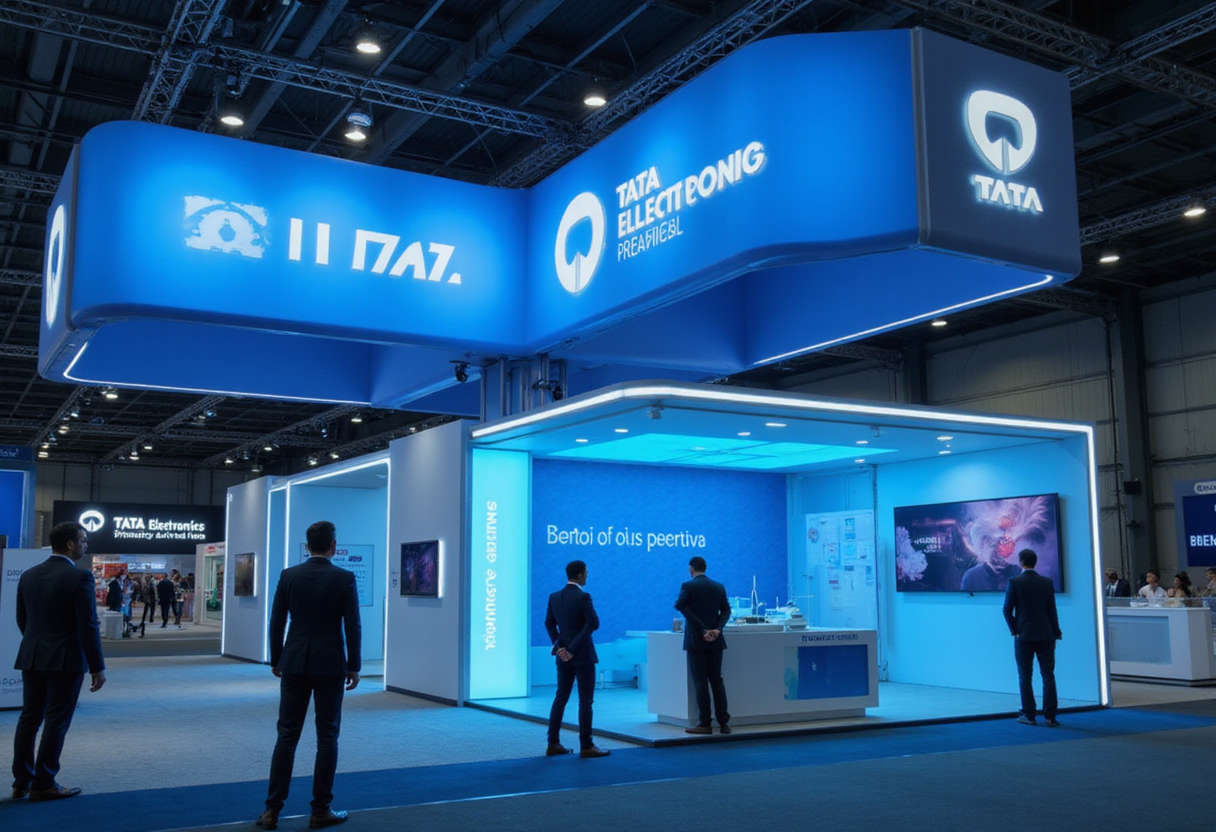
Tata Electronics has entered a partnership with Japan's Sumitomo Chemical aimed at strengthening India's semiconductor supply chain, SNS Insider reported. The collaboration pairs one of India's largest industrial groups with a major Japanese chemicals producer at a moment when New Delhi is pushing to build domestic chipmaking capacity.
The deal focuses on the materials layer of the semiconductor value chain — a segment where India currently depends heavily on imports and where Japanese suppliers hold established global positions. Neither company disclosed the financial terms of the arrangement, nor did the parties publish a timeline for initial product deliveries.
What does the partnership cover?
Sumitomo Chemical brings expertise in advanced materials used across chip fabrication and packaging processes. Tata Electronics, a subsidiary of the Tata Group, has been expanding its precision manufacturing operations and serves global electronics and semiconductor customers.
For Tata, the arrangement secures access to specialised material technology that India's nascent semiconductor ecosystem lacks. For Sumitomo Chemical, it establishes a foothold in a market that the Indian government is actively subsidising through its semiconductor incentive programmes.
The two companies have not specified which product lines the collaboration will cover first, and no production volumes or facility commitments have been announced.
Why does the materials segment matter?
Semiconductor manufacturing requires dozens of specialised inputs — high-purity chemicals, polymers, resins and process materials — before a single wafer is finished. Countries that host fabrication plants without a domestic materials base typically import these inputs, which adds cost, logistics risk and supply fragility.
India's chip strategy has concentrated attention on fabrication plants and assembly facilities. A materials partnership addresses a less visible but equally critical gap. Building local materials capacity shortens the supply chain for any fab operating on Indian soil and reduces exposure to import disruption.
Japan ranks among the world's leading suppliers of semiconductor materials, and Japanese chemical companies have repeatedly partnered with governments and manufacturers abroad to localise production of key inputs. The Tata–Sumitomo arrangement follows that pattern.
What does this mean for India's chip push?
The partnership signals that large Indian industrial players are moving beyond assembly and testing toward deeper positions in the semiconductor value chain. Tata has already positioned itself as a central actor in the country's chip ambitions, and materials represent the logical next layer.
It also suggests multinational suppliers now see India as a market worth committing engineering and production resources to, rather than purely an export destination. That shift matters for the durability of India's semiconductor programme, which depends on foreign technology partners across equipment, materials and process know-how.
What comes next?
The immediate open questions are concrete: which materials the partners will produce, where production will sit, and when output will reach qualification standards required by chipmakers. Until the companies publish those details, the announcement stands as a strategic commitment rather than a defined industrial plan.
Watch for follow-up disclosures on plant locations, investment amounts and customer agreements. Those specifics will determine whether this partnership becomes a working supply link in India's semiconductor chain or remains a framework agreement without operational substance.
via Google News: Semiconductor supply chain (Source)
More from Priya Raman
Same lot · LOT-C1B0
- DSG-361220nmSumitomo Chemical to Partner with Tata Group on Semiconductor Materials
- DSG-430445nmGlobalFoundries and TSMC Sign $2bn Manufacturing Agreement
- DSG-746720nmTSMC Crosses $2 Trillion Market Cap on AI Foundry Demand
- DSG-591428nmTSMC Signs $2 Billion Silicon Interposer Supply Deal With GlobalFoundries
- DSG-92573nmTSMC Weighs Texas Investment to Expand U.S. Chip Production